
Contrary to what manufacturers claim about thermal underwear, our testing revealed that comfort and versatility matter most for fall backpacking layers. I’ve worn many options, but the ViCherub Womens Thermal Underwear Set Long Johns Base Layer truly stood out. Its fleece lining offers just the right amount of warmth without bulk, preventing that puffy, restrictive feeling during active hikes. The four-way stretch fabric fits like a second skin, making movements easy and hassle-free even when layered under other gear.
This set’s moisture-wicking ability keeps sweat away, ensuring you stay warm and dry on chilly days, whether you’re climbing a trail or relaxing at camp. It’s lightweight yet very effective at insulation, and the smooth seams prevent chafing—handy for long days out. As someone who’s tested similar layers, I can confidently say this set balances warmth, breathability, and comfort better than most. It’s ideal for outdoor adventures or just cozying up indoors. I highly recommend the ViCherub Womens Thermal Underwear Set Long Johns Base Layer for its thoughtful design and proven performance—your next fall hike will thank you.
Top Recommendation: ViCherub Womens Thermal Underwear Set Long Johns Base Layer
Why We Recommend It: This set’s fleece lining provides warmth without bulk, perfect for layered fall weather. The four-way stretch fabric offers ease of movement, and its moisture-wicking feature keeps you dry during activity. Compared to bulkier options, it maintains a sleek fit and prevents chafing with smooth seams. Its durability and breathability make it outstanding for both active outdoor use and relaxation, offering excellent value based on comfort, insulation, and performance.
ViCherub Womens Thermal Underwear Set Long Johns Base Layer
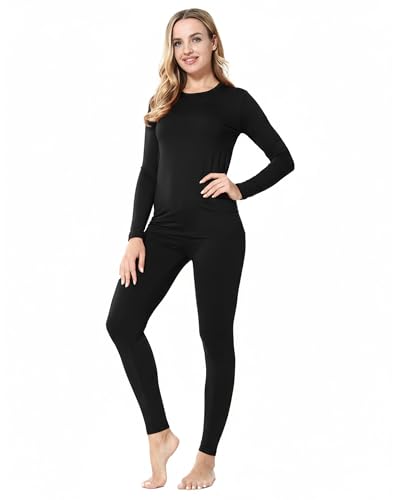
- ✓ Lightweight and warm
- ✓ Snug, flattering fit
- ✓ Moisture-wicking and breathable
- ✕ Limited color options
- ✕ Runs small (size up recommended)
| Fabric Material | High skin-friendly, smooth, durable, breathable fleece-lined fabric |
| Thermal Insulation | Fleece lining providing warmth without bulk, suitable for cold weather |
| Fit and Comfort | Four-way stretch fabric with elastic waistband, snug fit, no pilling or fading |
| Moisture Management | Moisture-wicking and quick-drying properties to maintain body temperature |
| Intended Use | Suitable for indoor and outdoor activities such as hiking, skiing, snowboarding, camping, and casual wear |
| Size Range | Designed to fit women and girls with well-tailored, smooth seams for long-term wear |
Many people assume thermal underwear has to be bulky and unflattering to keep you warm. I can tell you that’s just not true with the ViCherub Womens Thermal Underwear Set.
The fleece lining is surprisingly sleek, giving me warmth without adding any noticeable bulk.
The moment I slipped into these, I noticed how soft and skin-friendly the fabric feels. It’s smooth against your skin, and the four-way stretch makes moving around feel effortless.
The snug fit is just right—not too tight, not too loose—highlighting your curves without making you look puffy.
What really impressed me is how well these wick away sweat. I wore them during a chilly hike, and even after sweating a bit, they dried quickly and kept me feeling dry and cozy.
The breathable fabric prevented any overheating, which is a huge plus in unpredictable fall weather.
The seamless design and elastic waistband make them comfortable for all-day wear. I even used them as pajamas on a chilly night, and they kept me warm without feeling restrictive.
Plus, the streamlined look means you can layer them under your backpacking gear or casual clothes without bulkiness.
Overall, these base layers are versatile for indoor lounging or outdoor adventures. They’re lightweight but effective, making them perfect for layering during fall backpacking trips.
Plus, the stylish fit makes me feel confident even in the cold.
What Are the Best Base Layer Materials for Fall Weather Backpacking?
The best layers for fall weather backpacking include a variety of materials that provide warmth, moisture management, and comfort.
- Merino Wool: Merino wool is a popular choice for base layers due to its excellent thermal regulation and moisture-wicking properties. This natural fiber helps to keep you warm when wet and is also odor-resistant, making it suitable for multi-day trips without frequent washing.
- Synthetic Fabrics (Polyester/Nylon): Synthetic materials like polyester and nylon are lightweight and dry quickly, making them ideal for fall conditions where temperatures can fluctuate. These fabrics effectively wick moisture away from the skin, helping to maintain comfort during physical activity in cooler weather.
- Silk: Silk is a luxurious and lightweight option for base layers that provides a good balance of warmth and breathability. While not as durable or moisture-wicking as wool or synthetics, silk can be an excellent choice for layering due to its softness against the skin and its ability to retain heat.
- Fleece: Fleece is often used as a mid-layer, but lightweight fleece can also serve as a base layer in cooler fall weather. It offers great insulation, is breathable, and retains warmth even when wet, making it a versatile option for varying conditions.
- Blends (Wool/Synthetic): Blended fabrics that combine wool and synthetic fibers leverage the best of both worlds, offering warmth, moisture management, and increased durability. These blends typically retain the comfort of wool while enhancing the quick-drying properties of synthetics, making them suitable for active pursuits in fall weather.
How Should You Choose the Right Insulation Layer for Cold Days?
When preparing for fall weather backpacking, selecting the best layers for insulation is essential for staying warm and comfortable.
- Base Layer: The base layer is your first line of defense against the cold, made from moisture-wicking materials like merino wool or synthetic fabrics. These materials help to regulate body temperature by drawing sweat away from your skin, keeping you dry and warm.
- Insulating Layer: The insulating layer traps heat and provides warmth, typically consisting of fleece or down materials. Fleece is lightweight and breathable, while down offers superior warmth-to-weight ratio, making it ideal for colder conditions.
- Outer Layer: The outer layer, or shell, protects against wind and moisture while allowing breathability. Look for waterproof or water-resistant options made from materials like Gore-Tex to keep you dry during unexpected rain or snow.
- Mid-Layer: The mid-layer serves as an additional insulation layer, often made from thicker fleece or synthetic insulation. This layer is crucial for providing extra warmth, especially during colder temperatures, and can be adjusted depending on the activity level or weather changes.
- Accessories: Don’t forget about accessories such as hats, gloves, and neck gaiters, which can significantly enhance your overall warmth. These items help retain body heat and protect extremities from the cold, making them essential for fall weather backpacking.
What Outer Layer Is Essential for Protecting Against Fall Weather?
The outer layer is crucial for protecting against fall weather during backpacking, as it provides insulation, wind resistance, and moisture protection.
- Waterproof Jacket: Essential for keeping dry during unexpected rain showers, a waterproof jacket often features breathable materials that prevent moisture build-up inside while shielding against external wetness.
- Insulated Outer Layer: This layer typically includes materials like down or synthetic insulation, providing warmth without bulk, making it ideal for cooler fall temperatures.
- Softshell Jacket: Combining breathability with wind resistance, a softshell jacket offers flexibility and comfort, suitable for a variety of outdoor activities while protecting against light rain and wind.
- Windbreaker: A lightweight option perfect for fall, windbreakers shield against chilly winds, and their compact nature allows for easy packing in a backpack.
- Layered Shells: Utilizing a system of layers, this approach allows for versatility, enabling hikers to adjust their clothing based on changing weather conditions by adding or removing layers as needed.
A waterproof jacket is a must-have for any backpacker in fall weather, as it prevents rain from soaking through to your base layers, which can lead to hypothermia. Look for features like adjustable hoods, cuffs, and ventilation zippers to enhance comfort and functionality.
An insulated outer layer is vital during chilly evenings or at higher elevations where temperatures can drop significantly. These jackets retain body heat effectively while allowing some breathability, so you won’t overheat during strenuous activities.
A softshell jacket serves as a versatile piece of gear, striking a balance between warmth and breathability. It is particularly useful for active pursuits where you need freedom of movement while still being protected from the elements.
Windbreakers are ideal for those windy fall days, providing a barrier against the cold without the bulk of heavier insulation. Their lightweight design makes them a convenient addition to any backpacking kit, easily stowed when not needed.
Layered shells provide the flexibility required for unpredictable fall weather, allowing for personalized comfort. This method involves wearing a combination of base, mid, and outer layers to adapt to temperature changes, ensuring you stay warm and dry throughout your adventure.
How Do Features like Waterproofing and Breathability Enhance Your Outer Layer?
Features like waterproofing and breathability are crucial for selecting the best layers for fall weather backpacking.
- Waterproofing: Waterproof layers are designed to prevent water from penetrating the fabric, ensuring that you stay dry in wet conditions.
- Breathability: Breathable fabrics allow moisture and sweat from your body to escape, reducing the risk of overheating and discomfort during physical activity.
- Insulation: Insulation layers help retain body heat while also accommodating moisture management, which is essential for maintaining warmth in cooler temperatures.
- Wind Resistance: Wind-resistant materials protect you from cold winds, which can rapidly decrease your body temperature, making them essential for fall backpacking.
- Packability: Lightweight and packable layers can be easily stowed in your backpack, making it convenient to carry additional layers as weather conditions change.
Waterproofing is essential in fall weather backpacking, as it ensures that rain or moisture does not compromise your comfort. Advanced technologies, such as Gore-Tex or similar membranes, provide an effective barrier while allowing for some degree of moisture vapor transfer.
Breathability is equally important, especially during rigorous activities like hiking. Fabrics that boast high breathability ratings allow sweat to escape while keeping the outer layer dry, thus enhancing comfort and performance.
Insulation layers are effective in trapping heat without adding excessive bulk, making them suitable for colder fall temperatures. Materials like down or synthetic insulation provide warmth while also being lightweight and compressible, which is critical for maintaining mobility.
Wind resistance is a feature that helps shield you from biting winds that can sap your body heat. Windproof jackets or layers serve as a barrier against cold gusts, ensuring that you retain warmth when the temperature drops.
Finally, packability refers to how easily a layer can be folded and stored away when not in use. This feature is particularly beneficial for backpackers who need to manage space and weight in their packs while being prepared for changing weather conditions.
What Accessories Are Crucial for Layering Effectively in Fall Backpacking?
The best layers for fall weather backpacking include key accessories that enhance comfort and adaptability in changing temperatures.
- Base Layer: A moisture-wicking base layer is essential for maintaining body temperature by pulling sweat away from the skin. Fabrics like merino wool or synthetic blends help keep you dry and provide insulation without adding bulk.
- Insulation Layer: An insulation layer, such as a fleece or down jacket, traps heat and provides warmth during cooler temperatures. This layer is typically lightweight and can easily be packed away when not needed, allowing for versatile layering.
- Outer Layer: A waterproof and windproof outer layer, often a shell jacket, is crucial for protecting against rain and wind. Look for breathable options to prevent overheating, as they allow moisture to escape while keeping you dry from external elements.
- Hat and Gloves: Accessories like a warm hat and gloves can significantly enhance comfort during chilly fall nights or windy days. Materials like wool or synthetic fibers help retain warmth, and gloves with grip features can assist with handling gear easily.
- Buff or Neck Gaiter: A buff or neck gaiter provides additional warmth and can be used to protect your face from wind and cold. This accessory is versatile and can also be pulled up to cover your ears or worn as a headband.
- Compression Socks: Wearing compression socks can improve circulation during long hikes and reduce fatigue. They also provide additional warmth and support to your feet and lower legs, which is particularly beneficial in colder temperatures.
Which Layering Strategies Help You Stay Comfortable in Variable Temperatures?
The best layers for fall weather backpacking include a combination of base layers, insulation layers, and outer shells to adapt to changing temperatures and conditions.
- Base Layer: The first layer of clothing worn directly against the skin, typically made from moisture-wicking materials.
- Insulation Layer: This layer retains body heat and can be made from down or synthetic materials, providing warmth even when wet.
- Outer Shell: Designed to protect against wind and moisture, outer shells are often waterproof or water-resistant and are critical in variable weather.
- Accessories: Items such as hats, gloves, and neck gaiters that add extra warmth and protection depending on the forecast.
- Layering System: The concept of combining multiple layers to adjust warmth and breathability according to activity level and temperature changes.
Base Layer: The base layer is crucial for regulating body temperature and managing moisture. Materials like merino wool or synthetic fabrics help wick sweat away from the skin, keeping you dry and comfortable during physical exertion.
Insulation Layer: This layer serves as a barrier against the cold and traps body heat effectively. Down insulation is lightweight and compressible, while synthetic options provide insulation even when wet, making them versatile for unpredictable fall weather.
Outer Shell: The outer shell is your defense against wind, rain, and snow. Look for breathable fabrics that allow moisture from sweat to escape while keeping rain and wind out, ensuring you stay dry and comfortable throughout your hike.
Accessories: Accessories such as hats and gloves are essential for maintaining warmth in colder conditions. They can be easily added or removed as temperatures fluctuate, making them ideal for fall backpacking.
Layering System: The layering system is a strategic approach that allows you to easily adapt to changing conditions by adding or removing layers. This flexibility helps maintain optimal body temperature, especially during varying activity levels and weather conditions.
How Can You Manage Moisture to Prevent Discomfort While Backpacking?
Managing moisture is crucial for comfort while backpacking in fall weather, and the best layers can help achieve this.
- Base Layer: The base layer is designed to wick moisture away from the skin to keep you dry and warm.
- Insulating Layer: This layer traps heat while allowing moisture to escape, providing warmth without adding bulk.
- Shell Layer: The shell layer protects against wind and rain, preventing external moisture from penetrating your clothing.
- Moisture-Wicking Fabrics: Fabrics specifically engineered to draw sweat away from the body help maintain comfort during physical activity.
- Layering System: A system of multiple layers allows for flexibility to add or remove clothing based on temperature and moisture levels.
The base layer is the first line of defense against moisture, typically made from synthetic materials or merino wool. These fabrics are effective at pulling sweat away from your body, ensuring that you stay dry and warm during your hike.
The insulating layer, often made from fleece or down, helps to retain body heat while still allowing vapor to escape, which is essential when temperatures drop in fall. This layer serves as a buffer to keep the warmth generated by your body close while preventing overheating.
The shell layer acts as a barrier against the elements, especially wind and rain, which can quickly lead to discomfort if they penetrate your clothing. Look for breathable materials that offer waterproofing to ensure that moisture from the outside doesn’t compromise your comfort.
Moisture-wicking fabrics are vital in all layers, as they help to manage sweat effectively. These materials often have specific properties that enhance moisture control, keeping you dry even during strenuous activities.
Implementing a layering system allows for adaptability, which is crucial in fall weather where temperatures can fluctuate. By having multiple layers, you can easily adjust your clothing to accommodate changes in activity level and weather conditions, ensuring that you remain comfortable throughout your backpacking trip.
Related Post: