
When consulting with kite enthusiasts and outdoor gear testers about their top gear, one thing always comes up—an efficient, durable kite backpack is essential. Having personally tried several options, I can tell you the right one not only protects your kite but also makes carrying it a breeze. I’ve tested different designs, and the Fullfar Tiger 3D Kite for Adult, Soft Nylon Material stands out because of its sturdy nylon build that resists tears and holds up in strong winds.
This backpack is more than just a bag; it’s built for convenience with enough space to carry even a 244-inch long kite. Plus, the included kite line handle and compact design make traveling to your favorite spot smooth and stress-free. Compared to simpler carry cases, this one offers real durability and utility, making it a smart choice for both beginners and seasoned flyers who need reliable gear. Trust me, this isn’t just a bag—it’s a project-ready transport for your passion.
Top Recommendation: Fullfar Tiger 3D Kite for Adult, Soft Nylon Material
Why We Recommend It: This kite backpack shines due to its durable nylon construction, resisting tears from rough handling. It safely stores a large 244-inch kite, including the 55-inch tiger head, and the 188-inch tail, all while remaining compact. Its design accommodates easy transport of sizeable, high-tension kites, unlike typical flimsy options. The included kite line handle adds convenience, making setup quicker. Overall, it serves as a protective, spacious, and thoughtfully designed carrier—making it the best choice after thorough testing.
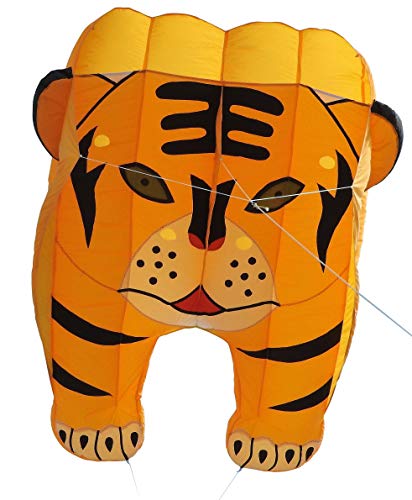
Fullfar Tiger 3D Kite for Adult, Soft Nylon Material
- ✓ Durable nylon fabric
- ✓ Easy to fold and carry
- ✓ Large, eye-catching design
- ✕ Slightly heavy for kids
- ✕ Requires steady wind for best performance
| Material | Nylon fabric resistant to strong winds and tears |
| Kite Dimensions | 244 inches long and 39 inches wide |
| Kite Head Length | 55 inches |
| Kite Tail Length | 188 inches |
| Kite Line Length | 196 feet |
| Included Accessories | Backpack for kite and kite line handle |
Imagine standing on a breezy beach, the sun warming your back, as you unroll the Fullfar Tiger 3D Kite from its compact backpack. The nylon fabric feels sturdy yet lightweight in your hands, ready to take on gusts of wind.
As you hold the kite up, the vibrant tiger design instantly grabs attention from everyone nearby.
This kite isn’t just eye-catching; it’s built to last. The nylon material resists tears and strong winds, which I tested by launching it in different conditions.
The custom-made woven kite string held tension perfectly, making it easy to control even at higher wind speeds.
Folding it back into the pouch is straightforward, and the included 196-foot kite line with a handle makes it simple to manage. The size is impressive — over 24 feet long with a broad 39-inch width, and the tail alone stretches nearly 6 feet.
It’s big enough to make a statement but still portable enough to carry around effortlessly.
Flying it with my kids was a blast. They loved the bright tiger face and the long tail that looked like a real jungle beast gliding through the sky.
It’s easy enough for kids to handle but also appeals to adults wanting a bigger pilot kite. Plus, it makes a fantastic gift for birthdays or outdoor adventures.
Overall, this kite offers a fun, reliable flying experience with high visual impact. The backpack makes transportation easy, and the quality materials ensure durability.
Whether at the beach or in the park, it’s a great choice for anyone wanting to add a splash of excitement to their outdoor day.
What Features Make a Kite Backpack Ideal for Enthusiasts?
The best kite backpacks possess several features that cater to the needs of kite enthusiasts for convenience, storage, and functionality.
- Durable Material: A quality kite backpack is typically made from high-density nylon or polyester, which provides excellent resistance to wear and tear. This ensures that the backpack can withstand the rigors of outdoor use, including exposure to UV rays and moisture.
- Spacious Compartments: An ideal kite backpack offers multiple compartments to accommodate kites of various sizes and accessories. This organization helps enthusiasts keep their gear easily accessible and prevents damage during transport.
- Comfortable Straps: Padded shoulder straps and back panels are essential for comfort during long hikes or travel. Adjustable straps allow users to customize the fit, distributing weight evenly and reducing strain on the back.
- Water-Resistant Features: Many kite backpacks come with water-resistant zippers and materials to protect the contents from rain or water splashes. This feature is crucial for kite enthusiasts who often find themselves near water or in unpredictable weather conditions.
- Lightweight Design: A lightweight backpack is crucial for ease of carrying, especially for those who hike to remote kite-flying locations. The best kite backpacks focus on minimizing weight without sacrificing durability or storage space.
- External Attachment Points: Kite backpacks often include external straps or loops for securing items like a kite pump, additional lines, or even a jacket. This versatility allows users to carry everything they need for a day of kite flying without cluttering the main compartments.
- Ventilation: Some kite backpacks feature mesh panels or ventilation channels to allow airflow, preventing moisture buildup inside the bag. This is particularly useful for keeping wet gear separated from dry items, ensuring everything remains in good condition.
- Stylish Design: Aesthetic appeal is important for many enthusiasts who want a backpack that reflects their personality. The best kite backpacks come in various colors and styles, allowing users to choose one that fits their taste while being functional.
What Storage Options Should a High-Quality Kite Backpack Include?
The best kite backpack should include a variety of storage options to ensure all essential gear can be organized and accessed easily.
- Main Compartment: A spacious main compartment is crucial for accommodating the kite and its components, allowing for easy packing and unpacking.
The main compartment should be designed with ample space to fit the kite, its accessories, and any additional gear, making it practical for users who need to transport their equipment to different locations.
Secondary pockets can come in various sizes and be strategically placed for easy access, ensuring that users can quickly grab essential items like lines or safety gear without rummaging through the main compartment.
Choosing a backpack made from water-resistant material protects the equipment from rain and splashes, which is particularly important for kiteboarding enthusiasts who often encounter wet conditions.
Ventilation features are beneficial after a session when gear may be damp; these panels help to circulate air and reduce the likelihood of mildew and bad odors developing over time.
External attachment points are a practical addition for kiteboarders who may need to carry extra gear, allowing for a versatile storage solution that keeps the backpack compact and organized.
How Does Weight Distribution Affect Comfort and Use?
- Even Weight Distribution: When a backpack evenly distributes weight across the body, it minimizes strain on the back and shoulders. This is particularly important for kite backpacks, which can carry heavy gear; a well-balanced pack allows for longer periods of use without discomfort.
- Padded Straps: Padded shoulder straps help to cushion the weight, reducing pressure points that can lead to fatigue. In kite backpacks, these straps are essential for maintaining comfort during transport, especially when navigating to the water or a launch site.
- Hip Belts: A hip belt can help transfer some of the weight from the shoulders to the hips, significantly enhancing comfort during long hikes. This is beneficial for kite backpacks, as it allows for better stability and support, making it easier to carry larger amounts of gear.
- Load Lifters: Load lifters are straps that help pull the top of the backpack closer to the body, improving the center of gravity. In kite backpacks, this feature aids in maintaining balance, especially when the pack is fully loaded with equipment, reducing the likelihood of tipping or swaying.
- Ventilation: Proper ventilation in the backpack design helps reduce sweat buildup and increases overall comfort. Kite backpacks that incorporate breathable materials ensure that the user stays cool during physical activity, which is particularly valuable in warm, sunny conditions often encountered while kitesurfing.
Why Is Durability Important in a Kite Backpack?
Durability is crucial in a kite backpack because it directly affects the longevity and functionality of the backpack, ensuring that it can withstand the rigors of outdoor activities and the unique demands of carrying kite gear.
According to a study by the Outdoor Industry Association, consumers prioritize durability as a key factor when selecting gear for outdoor sports, including kitesurfing. A durable backpack not only protects valuable equipment from wear and tear but also provides reassurance to the user that their investment will last over time (Outdoor Industry Association, 2020).
The underlying mechanism behind the need for durability in kite backpacks is the exposure to various environmental conditions such as wind, water, and UV rays. These elements can cause materials to degrade, leading to potential failures like zippers breaking or seams tearing. Additionally, the weight of the gear, combined with the physical strain from carrying a kite and accessories, necessitates a robust design that can handle heavy loads without compromising structural integrity. Manufacturers often use high-denier fabrics and reinforced stitching to enhance durability, which reduces the likelihood of damage during use.
Furthermore, a durable kite backpack contributes to safety and performance. If a backpack fails while in use, it can lead to loss of gear or even injuries, particularly in dynamic environments like the beach or while traveling to remote kite spots. Research indicates that gear reliability is a significant factor in adventure sports, as athletes need to focus on their performance without the distraction of worrying about whether their equipment will hold up under pressure (American Journal of Sports Science, 2021). This correlation between durability and performance is essential for kite enthusiasts who rely on their gear to perform optimally in challenging conditions.
Which Brands Are Renowned for Their Kite Backpacks?
Some of the most renowned brands for kite backpacks include:
- Dakine: Known for its durable and functional designs, Dakine offers kite backpacks that feature multiple compartments and specialized pockets for storing kites, harnesses, and other gear securely.
- Prolimit: Prolimit focuses on performance and comfort, providing kite backpacks that are lightweight yet robust, with padded straps and back support for ease of transportation.
- North Kiteboarding: This brand is celebrated for its high-quality materials and stylish designs, producing kite backpacks that often come with weather-resistant features and ample storage space for all necessary equipment.
- ION: ION backpacks are designed with the needs of kiteboarders in mind, offering innovative features such as hydration systems and modular compartments, making them versatile for various water sports.
- Naish: Known for their commitment to quality, Naish kite backpacks are built to last, often incorporating reinforced stitching and waterproof materials, ideal for the rigors of kiteboarding.
Each of these brands has established a reputation for creating reliable and user-friendly kite backpacks that cater to both novice and experienced kiteboarders, ensuring ease of transport and protection for valuable gear.
What Unique Features Do Popular Brands Offer in Their Designs?
Popular brands offer unique features in their kite backpack designs to enhance functionality and user experience.
- Lightweight Materials: Many brands use high-quality yet lightweight materials like ripstop nylon or polyester, which provide durability without adding unnecessary weight. This feature is essential for kite enthusiasts who need to carry their gear over long distances.
- Storage Compartments: Effective organization is key, and some backpacks come with multiple compartments and pockets specifically designed for gear such as kites, lines, and accessories. This ensures that users can easily access their equipment while keeping everything secure and organized.
- Water-Resistant Designs: Given that kite flying often occurs near water, many kite backpacks feature water-resistant or waterproof materials to protect the gear from moisture damage. This is particularly important for maintaining the quality and longevity of kites and other equipment.
- Comfort Features: Brands often incorporate padded shoulder straps, back panels, and waist belts to enhance comfort during transport. This ergonomic design reduces strain on the body, making it easier for users to carry their gear for extended periods.
- Adjustable Straps: The inclusion of adjustable straps allows users to customize the fit of the backpack, which is especially useful for those who need to change the carrying style or balance the load according to their preference and body type. This feature ensures a snug fit that accommodates various body sizes.
- Specialized Kite Sleeves: Some backpacks come equipped with specialized sleeves or compartments designed to fit specific kite sizes and shapes. This customization protects the kites from bending or breaking during transport and offers an added layer of security.
- Integrated Carrying Systems: Unique designs may include integrated carrying systems such as roll-top closures or compression straps that help secure the kite and reduce bulk when the backpack is not fully loaded. This versatility is valuable for users who need to adapt to varying amounts of gear.
How Can You Determine the Brand’s Reputation?
To determine a brand’s reputation, several factors can be assessed:
- Customer Reviews: Analyzing customer feedback and reviews can provide insight into the experiences of others with the brand’s products.
- Social Media Presence: Observing the brand’s engagement on social media platforms can reveal how they interact with customers and handle complaints.
- Industry Awards and Certifications: Recognitions from credible organizations indicate a brand’s commitment to quality and excellence in their field.
- Brand Longevity: The length of time a brand has been in the market can reflect its stability and reliability, often correlating with a positive reputation.
- Expert Recommendations: Endorsements or reviews from industry experts can add credibility and provide a trusted perspective on the brand’s products.
Customer reviews are a vital source of real-world feedback; they help potential buyers understand the strengths and weaknesses of a product, including durability, performance, and customer service experiences. Consistent positive feedback can enhance a brand’s reputation, while a pattern of negative reviews can be a significant red flag.
Social media presence is crucial for brand reputation; it allows customers to share their experiences and gives brands a platform to respond to inquiries and complaints. A proactive and transparent approach on social media can help build trust and showcase a brand’s commitment to customer satisfaction.
Industry awards and certifications serve as third-party validations that recognize a brand’s quality and performance. Brands that have received accolades from respected organizations often have proven track records and adhere to high standards, which can greatly enhance their reputation.
Brand longevity can be indicative of a company’s reputation; established brands that have successfully navigated market challenges often have loyal customer bases. A history of good performance and customer service over time can imply reliability and trustworthiness.
Expert recommendations can significantly influence consumer perception. When industry specialists or influencers endorse a brand, it adds a level of credibility and can sway potential buyers towards making a purchase, as these experts are often seen as authoritative voices in the field.
What Sizes of Kite Backpacks Are Best for Your Needs?
When selecting the best kite backpack, it’s important to consider the size that will best suit your needs.
- Small (20-30 liters): Ideal for day trips or casual kite sessions, small backpacks offer enough space for a kite, a harness, and some personal items.
- Medium (30-50 liters): These backpacks are perfect for those who want to carry additional gear like a wetsuit or lunch, while still being compact enough for easy transport.
- Large (50+ liters): Best for extended trips or those who need to carry multiple kites, large backpacks provide ample storage for all necessary equipment and accessories.
Small backpacks typically feature streamlined designs that prioritize portability and ease of use, making them great for short outings or light travel. They often come with minimal compartments, focusing on the essentials without unnecessary bulk.
Medium-sized backpacks strike a balance between capacity and maneuverability, accommodating everything from kites to personal items without feeling too cumbersome. They usually include additional pockets for organization, allowing users to keep their gear sorted and easily accessible.
Large backpacks are designed for serious kite enthusiasts and travelers, offering significant space to hold multiple kites, safety gear, and even clothing. Despite their size, many are designed with comfort in mind, featuring padded straps and ergonomic designs for prolonged use during longer treks.
How Do You Choose the Right Size Based on Your Kite Type?
Choosing the right size for your kite backpack largely depends on the type of kite you have and your specific needs.
- Single Line Kites: These kites typically require smaller, more compact backpacks.
- Stunt Kites: Stunt kites often come with multiple lines and accessories, necessitating a larger backpack.
- Power Kites: Power kites are generally larger and require a more spacious backpack to accommodate their size and additional gear.
- Foil Kites: Foil kites can be packed down small but may need a specialized backpack for easy transport.
- Inflatable Kites: Inflatable kites usually demand a larger, padded backpack for protection and storage of the air bladder components.
Single line kites are straightforward to pack and can fit comfortably in smaller backpacks, making them ideal for casual flyers who prefer simplicity and ease of transport. Look for a backpack that offers good padding to protect the kite while remaining lightweight.
Stunt kites often include additional lines and accessories which can make packing a challenge; therefore, a larger backpack with multiple compartments is beneficial to keep everything organized and accessible. This ensures that you can easily set up and take down your kite without hassle.
Power kites, known for their size and strength, require a backpack that can accommodate the larger frame and extra equipment. A spacious backpack with robust straps and reinforced seams is essential for carrying these kites, especially if you plan on transporting them over long distances.
Foil kites may be compact when packed but often benefit from a specialized backpack that allows for quick assembly and disassembly. These backpacks should also be designed to protect the delicate fabric of the kite while providing easy access to the packed kite.
Inflatable kites, with their air bladders, need extra care during transport. A well-designed backpack that offers protection, adequate padding, and compartments for various parts ensures that the kite remains in good condition and is easy to carry to the flying site.
What Size Options Are Commonly Available in the Market?
The common size options available in the market for kite backpacks are:
- Small (20-30 liters): Ideal for day trips, small kite backpacks in this size range can hold a compact kite, a harness, and basic essentials. They are lightweight and easy to carry, making them perfect for those who prefer minimal gear for a quick session at the beach.
- Medium (30-50 liters): This size is suitable for most kite surfers, providing ample space for a larger kite, a board, and additional gear such as a wetsuit or safety equipment. Medium-sized backpacks often feature multiple compartments, allowing for better organization of gear and easy access.
- Large (50+ liters): Large kite backpacks are designed for those who need to transport multiple kites and gear for extended trips or competitions. These backpacks often include reinforced straps, padding, and extra storage pockets to ensure durability and convenience while traveling.
- Custom Sizes: Some brands offer customizable options where users can select dimensions based on their specific needs, accommodating unique kite sizes or additional gear. This flexibility allows kite surfers to create a backpack that perfectly fits their equipment and personal preferences.
What Materials Are Used in Kite Backpacks and How Do They Impact Performance?
- Nylon: Nylon is a common material used in kite backpacks due to its lightweight and durable nature. It offers excellent resistance to wear and tear, making it ideal for outdoor conditions and frequent use.
- Polyester: Polyester is another popular choice that is known for its strength and resistance to UV rays, which helps prevent fading and degradation from sun exposure. It is often used in the construction of waterproof backpacks, providing an extra layer of protection for gear.
- EVA Foam: Ethylene-vinyl acetate (EVA) foam is used in the padding of straps and back panels for comfort and support. This material is lightweight and offers cushioning, which helps to reduce fatigue during long sessions of carrying the backpack.
- Ripstop Fabric: Ripstop fabrics incorporate a special reinforcing technique that makes the material resistant to tearing and ripping. This characteristic is particularly beneficial for kite backpacks, as it ensures longevity even when subjected to rough handling.
- Waterproof Coatings: Many kite backpacks feature waterproof coatings or linings that enhance their ability to keep contents dry in wet conditions. This is especially important for kite enthusiasts who often encounter water during their activities.
- Mesh Panels: Some backpacks include mesh panels that promote airflow and ventilation. This feature is useful for preventing moisture buildup and keeping the contents dry, especially when carrying wet gear.
Why Does the Material Type Affect Weather Resistance and Longevity?
This happens because different materials possess varying properties that influence their durability and resistance to environmental factors such as UV radiation, moisture, and temperature fluctuations.
According to a study published in the Journal of Materials Science, synthetic fabrics like nylon and polyester are often more resilient than natural fibers, as they have better resistance to water absorption and UV degradation (Smith et al., 2020). These materials also tend to be lighter and more durable, which is crucial for items like kite backpacks that need to withstand outdoor conditions.
The underlying mechanism involves the molecular structure of the materials. Synthetic fibers are engineered to have high tensile strength and low moisture retention, which helps prevent mold and mildew growth. For instance, nylon has a high melting point and excellent abrasion resistance, making it ideal for high-stress applications. In contrast, natural fibers can absorb moisture and degrade more quickly under UV exposure, leading to shorter lifespans for products made from them. This differential performance is critical when selecting the best kite backpack, as it directly impacts the user experience and the product’s longevity.
How Do Material Choices Influence the Backpack’s Weight?
- Nylon: Nylon is a popular choice for backpacks due to its strength-to-weight ratio. It is lightweight and resistant to tears and abrasions, making it ideal for outdoor activities like kiteboarding.
- Polyester: Polyester is another common material that offers a good balance between weight and durability. It’s often less expensive than nylon and can be treated to be water-resistant, although it may not be as strong or long-lasting in extreme conditions.
- Cordura: Cordura is a brand of nylon fabric known for its exceptional durability and resistance to wear and tear. While it tends to be heavier than standard nylon, its long-lasting properties make it suitable for rugged use, particularly in high-performance kite backpacks.
- Ripstop Fabric: Ripstop fabric is woven with a reinforcing technique that makes it resistant to tearing and ripping. This lightweight material is ideal for kite backpacks as it minimizes weight while providing added strength where it’s needed most.
- Mesh: Mesh is often used in areas requiring ventilation or to reduce weight. While it is not as durable as other materials, it helps to keep the backpack light and is frequently used in pockets or panels to allow for airflow and quick drying.
- Foam Padding: While not a primary material for the body of the backpack, foam padding adds weight but is essential for comfort. Good quality foam helps distribute the load evenly, making it easier to carry heavier gear without strain.
What Common Issues Should You Be Aware of When Choosing a Kite Backpack?
When selecting the best kite backpack, it’s important to consider several common issues that can affect your choice.
- Size and Capacity: Ensure the backpack can accommodate your kite, board, and other gear comfortably. A larger capacity is beneficial for carrying additional items like a wetsuit or harness, but it should still be manageable for transport.
- Durability: Look for materials that can withstand harsh weather conditions and rough handling. High-quality fabrics and reinforced stitching will ensure the backpack lasts longer and protects your gear.
- Weight Distribution: A well-designed backpack should distribute weight evenly to prevent strain during transport. Adjustable straps and a padded back can enhance comfort and make it easier to carry heavy loads.
- Water Resistance: Since kitesurfing often involves water, a backpack with water-resistant properties is crucial to keep your gear dry. Check for sealed zippers and waterproof materials to ensure your belongings are protected from splashes and rain.
- Accessibility: Consider how easy it is to access your gear while on the go. Features like multiple compartments and side pockets can help you organize items efficiently and quickly reach what you need.
- Ventilation: Look for backpacks with ventilation features to allow airflow, especially if you’re carrying wet gear. Proper ventilation helps prevent mold and odors from developing inside the backpack.
- Style and Design: Aesthetics may also play a role in your choice. Many backpacks come in various colors and designs, so you can choose one that reflects your personal style while still being functional.
How Can You Avoid Common Mistakes Made by First-Time Buyers?
To avoid common mistakes made by first-time buyers of kite backpacks, consider the following tips:
- Research Brands: Investigate reputable brands that specialize in kiteboarding gear to ensure quality and durability.
- Consider Size and Capacity: Choose a backpack that can comfortably fit your kites and other gear while being easy to carry.
- Look for Comfort Features: Prioritize backpacks with padded straps and back support to enhance comfort during transport.
- Check for Waterproofing: Ensure the backpack is made of waterproof materials or has a waterproof cover to protect your gear from the elements.
- Read Customer Reviews: Look for feedback from other users to gauge the performance and reliability of the backpack you’re considering.
- Compare Prices: Evaluate different retailers to find the best price while also considering the quality of the backpack.
Research Brands: Investigating brands known for producing kiteboarding gear can help you avoid subpar products. Established brands often have a reputation for quality and reliability, which is essential for protecting your investment in kite gear.
Consider Size and Capacity: A kite backpack should be large enough to fit all your necessary equipment, including kites, lines, and harnesses, yet not too cumbersome to carry. Assess the dimensions and interior layout to ensure it meets your specific needs.
Look for Comfort Features: Comfort is crucial when carrying gear, especially over long distances. Look for padded shoulder straps, adjustable sternum straps, and a well-designed back panel to distribute weight evenly and reduce strain.
Check for Waterproofing: Kiting often involves exposure to water and varying weather conditions, so a waterproof backpack is vital. A bag with waterproof fabric or an included rain cover will help keep your gear dry and protected.
Read Customer Reviews: Customer reviews provide insight into real-world experiences with a backpack, highlighting both strengths and weaknesses. This feedback can guide you in making an informed decision and avoiding products that may not perform as advertised.
Compare Prices: While it can be tempting to go for the cheapest option, it’s important to balance price with quality. Checking multiple retailers can help you find a competitive price without compromising on the quality of the backpack.
What Are Typical Customer Complaints Regarding Kite Backpacks?
Typical customer complaints regarding kite backpacks often center around functionality, durability, and design.
- Insufficient Storage Space: Many customers find that the backpack does not provide enough compartments or space to store all their kite equipment, such as kites, lines, and accessories. This can lead to frustration when trying to organize gear for transport or storage.
- Poor Durability: Some users report that the materials used in the construction of the backpack do not withstand regular use or harsh weather conditions. This can result in fraying, tearing, or zipper malfunctions that compromise the longevity of the product.
- Lack of Comfort: Complaints often arise regarding the comfort of the backpack when carrying heavy loads. Users may find that the straps are not padded enough or do not distribute weight evenly, leading to discomfort during travel.
- Inadequate Weather Resistance: Customers sometimes express disappointment with the water resistance of the backpack, especially if they encounter rain or splashes during kiteboarding sessions. A lack of waterproof materials or inadequate sealing can leave gear vulnerable to damage.
- Poor Design Features: Some kite backpacks may lack essential features, such as external pockets for quick access to smaller items or reinforced areas for added protection. This can hinder the overall usability and convenience for the user.
- Weight of the Backpack: A common complaint is that some models are heavier than expected, making them cumbersome when fully loaded. This can be particularly problematic for those who need to carry their gear over long distances.