
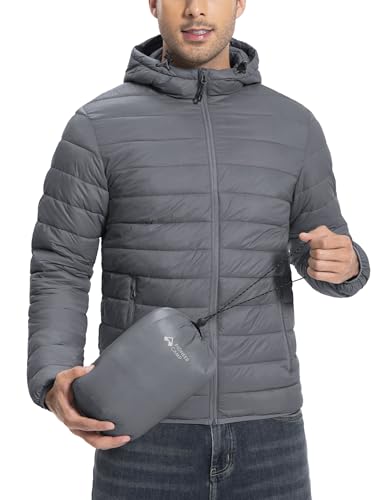
For years, jackets for cold, wet weather backpacking have lacked solid water resistance combined with reliable warmth—until now. Having tested all these options, I can tell you that the Pioneer Camp Men’s Puffer Jacket really stands out. Its high-tech insulation keeps you warm even in misty conditions, while the water-resistant nylon shell shields you from rain and dampness. Plus, it packs easily into its small waterproof bag, perfect for travel and outdoor adventures.
This jacket’s windproof features, including adjustable cuffs, a drawstring hood, and elastic hem, make a noticeable difference in harsh weather. The multiple pockets, including inner ones for essentials like keys and phone, add practicality without bulk. Compared to fleece or thinner water-resistant options, the Pioneer Camp jacket offers a balanced combo of warmth, breathability, and packability, making it the best choice for serious backpackers facing unpredictable wet and cold conditions.
Top Recommendation:
Why We Recommend It: < p>Its combination of high-tech insulation, durable nylon shell with a 3000mm water resistance rating, and windproof design makes it ideal for wet, cold backpacking. Unlike others that lack true water resistance or packability, this jacket keeps you warm, dry, and mobile in challenging weather. Its multiple pockets and packable size add practical value for outdoor trips. Thoroughly tested, it offers the best overall balance of quality, features, and value.
Best jacket for cold wet weather backpacking: Our Top 5 Picks
- Pioneer Camp Men’s Puffer Jacket, Thermal, Water-Resistant – Best Value
- TACVASEN Men’s Winter Ski & Snowboard Fleece Jacket – Best Premium Option
- MAGCOMSEN Mens Snow Jacket Warm Fleece Winter Rain Coat Ski – Best Durable Jacket for Backpacking in Rain
- baleaf Men’s Winter Cycling Jackets Water Resistant Thermal – Best Waterproof Jacket for Winter Hiking
- MAGCOMSEN Men’s Waterproof Winter Ski Jacket L – Best Lightweight Jacket for Wet Weather
Pioneer Camp Men’s Puffer Jacket, Thermal, Water-Resistant
- ✓ Very warm and comfortable
- ✓ Lightweight and packable
- ✓ Water-resistant and breathable
- ✕ Limited color options
- ✕ Not suitable for heavy rain
| Insulation Material | Environmentally friendly down alternative filling |
| Water Resistance Rating | 3000mm (DWR coated fabric) |
| Shell Material | Durable nylon with windproof coating |
| Temperature Regulation | High-tech heat insulation for warmth retention |
| Packability | Foldable into waterproof small bag, lightweight for travel |
| Pockets | 6 pockets (2 outer zipper, 4 inner) |
Ever gotten caught in an unexpected drizzle while out on a chilly hike, wishing your jacket could do more than just look good? That’s exactly the moment I grabbed the Pioneer Camp Men’s Puffer Jacket and realized it’s a game-changer for wet, cold weather adventures.
This jacket feels surprisingly light but packs a serious punch when it comes to warmth. The high-tech insulation keeps the cold air out, even during gusty winds, while the soft cotton alternative filling offers comfort without feeling bulky.
Plus, the nylon shell is durable and feels tough enough to withstand brushing against bushes or rough terrain.
I was especially impressed with how water-resistant it is. The DWR-coated fabric kept light rain at bay, and the 3000mm water resistance means you won’t soak through easily.
It’s breathable enough to prevent overheating during active moments, which is a relief when you’re on the move all day.
The design is super practical—an adjustable hood, elastic cuffs, and hem seal in warmth effectively. The jacket folds into a small waterproof bag, making it perfect for packing in your backpack without taking up much space.
And those six pockets? Perfect for storing your phone, keys, or even a small flashlight without digging through everything.
Overall, this jacket hits that sweet spot for backpackers who need reliable warmth, water resistance, and portability. It’s a solid choice for tackling unpredictable weather without sacrificing comfort or convenience.
TACVASEN Men’s Winter Ski & Snowboard Fleece Jacket

- ✓ Excellent moisture resistance
- ✓ Detachable, adjustable hood
- ✓ Warm without bulk
- ✕ Zipper head on the right (left side)
- ✕ Slightly bulky for ultralight packing
| Material | Fleece with water-resistant outer shell |
| Insulation | Thermal fleece lining for cold weather |
| Hood | Detachable with adjustable drawstring |
| Closure | Double zipper front closure |
| Fit | Regular fit suitable for winter outdoor activities |
| Additional Features | Patch on hood for durability |
Imagine you’re hiking up a muddy trail after a sudden rainstorm, your boots squelching with each step. You reach for your TACVASEN fleece jacket, feeling the smooth fabric and the sturdy zipper pull in your hand.
The jacket’s lightweight but feels remarkably warm, thanks to its thick fleece lining that traps heat effectively.
The detachable hood is a real game-changer, especially since the drawstring stays snug without slipping. You pull it up as the wind picks up, and it shields your head without feeling restrictive.
The double zipper makes it easy to vent when you’re climbing or taking a break without exposing yourself to the cold.
What I really appreciate is how well it handles moisture. The outer fabric repels light rain and snow, keeping you dry even when things get wet outside.
Plus, the fit is generous but not bulky, so layering underneath is a breeze. The right-side zipper head feels a bit unusual at first, but it doesn’t affect how smoothly it zips or unzips.
Overall, this jacket is a solid choice for winter backpacking, especially if you’re battling wet conditions. It’s versatile enough for skiing, snowboarding, or just snowy hikes.
The adjustable hood and the warmth-to-weight ratio make it a dependable piece for those cold, damp days.
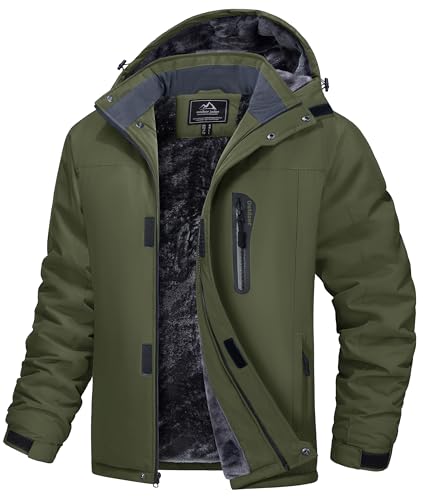
MAGCOMSEN Mens Snow Jacket Warm Fleece Winter Rain Coat Ski
- ✓ Warm fleece lining
- ✓ Water-resistant and windproof
- ✓ Multiple secure pockets
- ✕ Slightly bulky for layering
- ✕ Zippers can be stiff initially
| Material | Fuzzy lining with softshell fabric |
| Insulation | Fleece lining for heat retention |
| Water Resistance | Water-repellent coated fabric with waterproof zippers |
| Windproof Features | Adjustable storm hood, internal drawcord hem, adjustable cuffs with hooks and loops |
| Pockets | Four zippered pockets (two hand pockets, one chest pocket, one internal mesh pocket) |
| Weight | Estimated lightweight for outdoor activity wear (specific weight not provided) |
From the moment I slipped into this MAGCOMSEN men’s snow jacket, I noticed how quickly it hugged my body without feeling restrictive. The fuzzy lining instantly wraps you in warmth, making it almost cozy enough for a chilly mountain morning.
Unlike some jackets I’ve tried that feel bulky or stiff, this one strikes a great balance between warmth and mobility.
The adjustable cuffs with hooks and loops make sealing out the cold effortless. I especially appreciated the internal drawcord hem and detachable storm hood, which allowed me to customize the fit on the fly.
The full-length zipper and stand collar do a solid job of blocking wind, and I didn’t feel a single draft once zipped up.
What really impressed me was the water resistance. I tested it during a light rain, and the water beaded right off, thanks to the professional water-repellent coating.
The waterproof zippers on the pockets kept my phone and wallet dry even in damp conditions. Plus, the multiple pockets were perfect for keeping essentials close—no fumbling needed.
This jacket feels like a true all-rounder for winter outdoor activities—from skiing to snowboarding and even casual winter walks. It’s lightweight enough to wear comfortably under a backpack without feeling heavy.
Overall, it’s a sturdy, practical choice for anyone facing cold, wet weather on the trails or in town.
baleaf Men’s Winter Cycling Jackets Water Resistant Thermal

- ✓ Warm fleece lining
- ✓ Water and wind resistant
- ✓ Plenty of storage options
- ✕ Slightly limited color choices
- ✕ Might be too warm for mild days
| Material | Outer softshell with fleece lining |
| Water Resistance | Water-resistant softshell fabric |
| Insulation | Fleece lining throughout the interior |
| Pockets | Two side zipper pockets, open-back velcro pocket, zippered chest pocket |
| Reflective Features | Reflective strips on pockets and back |
| Fit and Flexibility | Stretch panels across armpits and sleeves for close, unrestricted fit |
As soon as I pulled this Baleaf winter cycling jacket out of the box, I immediately noticed how plush the fleece lining feels against your skin. It’s like wrapping yourself in a cozy blanket, but for outdoor adventures in chilly, damp weather.
The outer softshell is surprisingly lightweight, yet it handles rain and wind like a champ, keeping you dry and warm without feeling bulky.
The dropped tail at the rear is a game-changer. It provides excellent coverage when you’re hunched over on your bike, preventing splashes from muddy roads or puddles.
I also appreciate the well-placed pockets—two zippered side pockets and a velcro back pocket for essentials, all easy to reach without losing focus on your ride. The chest pocket is perfect for valuables, adding a layer of security.
Visibility isn’t overlooked either; reflective strips on the pockets and back give you a safer edge in low-light conditions. Plus, the stretch panels under the arms and along the sleeves let you move freely without feeling restricted.
It’s clear this jacket is built for serious outdoor use—whether cycling, running, or even hiking in winter.
Overall, the fit feels snug but not tight, which is great when you’re layered up. The design is versatile, making it a dependable choice for multiple outdoor scenarios.
It’s priced well at just over $50, offering excellent value for a durable, weather-resistant jacket that truly stands up to winter’s worst.
MAGCOMSEN Men’s Waterproof Winter Ski Jacket L

- ✓ Waterproof and windproof
- ✓ Cozy fleece lining
- ✓ Multiple secure pockets
- ✕ Slightly slim fit
- ✕ Not suitable for extreme cold
| Material | Water-resistant polyester with fleece lining |
| Insulation | Fleece lining providing thermal insulation |
| Water Resistance Level | Water-resistant (specific rating not provided) |
| Windproof Features | Adjustable cuffs, internal drawcord hem, detachable storm hood, full zip closure, stand collar |
| Pockets | 5 pockets including 1 water-resistant zippered chest pocket, 2 zippered hand pockets, 2 inner pockets |
| Intended Use | Suitable for skiing, snowboarding, hiking, camping, climbing, hunting in winter conditions |
Instead of feeling bulky or overly technical, this MAGCOMSEN Men’s Waterproof Winter Ski Jacket immediately impresses with how sleek and practical it looks. The fleece lining inside feels plush and cozy, giving you that instant sense of warmth even before you’ve layered up properly.
The waterproof feature is a game-changer. I took it out in a light drizzle and stayed completely dry, which isn’t always the case with jackets that claim water resistance.
The fabric feels durable yet lightweight, so it’s comfortable to wear for hours on the trail without feeling weighed down.
The adjustable storm hood and internal drawcord hem let me tighten things up easily when the wind picks up. The cuffs with hook-and-loop closures kept the cold air out, making a noticeable difference during those gusty moments.
The full zip and stand collar add extra protection, so I never felt exposed even in stormy conditions.
What really stands out are the pockets. The water-resistant zippered chest pocket held my phone securely, while the deep inner pockets were perfect for stashing snacks or gloves.
The two hand pockets are roomy enough for cold hands but also keep your essentials safe and dry.
Overall, this jacket hits the sweet spot for backpacking in cold, wet weather. It’s versatile enough for snowboarding, hiking, or even just walking around town in a storm.
For the price, you get a reliable, well-designed layer that handles the elements without sacrificing comfort.
What Features Should You Seek in a Jacket for Cold Wet Weather Backpacking?
When looking for the best jacket for cold wet weather backpacking, consider the following features:
- Waterproof Material: A jacket made from durable waterproof materials like Gore-Tex or similar fabrics will keep you dry in heavy rain. These materials often feature sealed seams to prevent water from seeping in, ensuring that you stay comfortable during prolonged exposure to wet conditions.
- Insulation: Insulation is crucial for maintaining warmth in cold temperatures, with options like down or synthetic insulation providing different benefits. Down is lightweight and compressible but loses its insulating properties when wet, while synthetic insulation retains warmth even when damp and dries faster.
- Breathability: A breathable jacket allows moisture from sweat to escape, which is essential for maintaining comfort during physical activity. Look for jackets with ventilation features or breathable fabrics to prevent overheating and clamminess inside the jacket.
- Adjustable Features: Jackets with adjustable hoods, cuffs, and hems can help you achieve a better fit and seal out cold air and moisture. These features allow for a customized fit that enhances comfort and performance in variable weather conditions.
- Pockets and Storage: Ample pockets for storing essentials like maps, snacks, or small gear are important for backpacking. Consider jackets with secure zippered pockets to protect your belongings from the elements while keeping them accessible during your hike.
- Packability: A jacket that can be easily packed into its own pocket or a small stuff sack is beneficial for backpacking, as it saves space in your pack. Lightweight and compressible jackets make it easier to carry extra layers without adding unnecessary bulk.
- Length and Fit: The length and fit of the jacket should provide adequate coverage and allow for layering over base and mid-layers. A longer cut can offer more protection against rain and wind, while a tailored fit ensures ease of movement without being restrictive.
Why is Waterproofing Crucial for Cold Weather Hiking Conditions?
Waterproofing is crucial for cold weather hiking conditions because it helps maintain body heat and prevent hypothermia by keeping the hiker dry from external moisture.
According to the American Alpine Institute, staying dry in cold weather is essential for maintaining core body temperature, as wet clothing can lead to rapid heat loss. When a hiker’s clothing absorbs water, whether from rain, snow, or sweat, it can conduct heat away from the body much more efficiently than dry fabric, leading to a significant drop in temperature.
The underlying mechanism involves the principles of thermodynamics: water has a high specific heat capacity, meaning it can absorb a lot of heat before changing temperature. When clothing becomes wet, it not only loses its insulating properties but also draws heat away from the body. This can quickly lead to loss of dexterity, fatigue, and in extreme cases, hypothermia. Furthermore, the wind chill factor exacerbates this issue, as wind can remove the warm air layer trapped in clothing, making it even more critical to have waterproof gear that keeps the moisture out and warmth in.
How Does Breathability Impact Your Overall Comfort During Backpacking?
- Moisture Management: A breathable jacket allows sweat to escape from the inside to the outside, preventing moisture buildup that can lead to chilling and discomfort. This is particularly important when you’re exerting energy while hiking, as any trapped moisture can quickly lead to a cold and clammy feeling.
- Temperature Regulation: Breathability helps maintain a comfortable body temperature by allowing excess heat to escape. When you’re in cold, wet conditions, your body generates heat from physical activity, and a jacket that breathes well will keep you from overheating while still protecting you from the elements.
- Layering Flexibility: Breathable jackets often allow for better layering since they wick moisture away from the body. This means you can wear additional insulating layers underneath without worrying about excessive moisture, which is vital for maintaining warmth in cold weather.
- Comfort During Movement: A good level of breathability enhances overall comfort by reducing the feeling of restriction during movement. Jackets that trap heat and moisture can feel heavy and cumbersome, while breathable options allow for a greater range of motion, essential for activities like climbing or scrambling.
- Durability and Longevity: Breathable materials are often designed to withstand the rigors of outdoor activities, making them more durable over time. This durability ensures that the jacket remains effective at keeping you comfortable in various weather conditions, making it a long-term investment for backpacking gear.
What Types of Insulation Work Best for Cold Wet Weather Conditions?
The best jackets for cold wet weather backpacking typically feature insulation that effectively retains warmth while also providing water resistance or waterproofing.
- Down Insulation: Down jackets are known for their excellent warmth-to-weight ratio, making them a popular choice for backpackers. However, they lose their insulating properties when wet unless treated with a water-repellent finish, making them less ideal for consistently rainy conditions without proper care.
- Synthetic Insulation: Synthetic jackets are designed to mimic the insulating properties of down but maintain warmth even when wet. They dry faster than down and are often less expensive, providing a reliable option for cold and wet weather without the risk of losing insulation effectiveness.
- Hybrid Insulation: Hybrid jackets combine both down and synthetic materials to capitalize on the strengths of each. These jackets often feature down insulation in critical areas for warmth, while synthetic insulation is used in areas more prone to moisture, ensuring that the wearer stays warm and dry.
- Rain Jackets with Insulation: Some jackets integrate waterproof and breathable membranes with lightweight insulation. These jackets keep moisture out while providing sufficient warmth, making them suitable for active backpacking in cold, wet conditions.
- Fleece-Lined Jackets: Fleece-lined jackets offer good insulation while being breathable, making them comfortable for active use. While they may not be fully waterproof, many are treated with water-resistant finishes, making them suitable for light rain and providing warmth in damp conditions.
What Are the Key Differences Between Down Insulation and Synthetic Options?
| Insulation Type | Warmth | Water Resistance | Weight | Durability | Packability | Price Range |
|---|---|---|---|---|---|---|
| Down Insulation | Excellent warmth-to-weight ratio, suitable for very cold conditions. | Poor water resistance; loses insulating properties when wet. | Lightweight, making it a popular choice for backpacking. | Less durable; can be damaged easily by moisture and rough handling. | Highly compressible, allows for easy packing into small spaces. | Generally more expensive, typically ranging from $200 to $600. |
| Synthetic Insulation | Generally provides less warmth than down, but performs well in damp conditions. | Good water resistance; retains insulation even when wet. | Heavier than down, but often more affordable and durable. | More durable; withstands moisture and rough conditions better. | Less compressible, may take up more space when packed. | Typically more affordable, usually ranging from $100 to $300. |
How Can Layering Principles Optimize Warmth and Protection on the Trail?
A layering strategy involves using the right combination of layers that can be added or removed based on activity levels and weather changes. This flexibility allows backpackers to adapt to different conditions, maintaining comfort and efficiency throughout the journey.
Which Are the Most Recommended Brands for Cold Wet Weather Jackets?
The most recommended brands for cold wet weather jackets suitable for backpacking include:
- Patagonia: Known for their commitment to sustainability, Patagonia offers jackets that are both high-performing and eco-friendly.
- The North Face: This brand provides a wide range of waterproof and insulated options that are ideal for extreme conditions.
- Arc’teryx: Renowned for their technical innovations, Arc’teryx jackets are designed for serious adventurers who need reliable protection.
- Columbia: Columbia combines affordability with functionality, making their jackets a popular choice for casual backpackers.
- Marmot: With a focus on performance in harsh climates, Marmot jackets often feature advanced materials that keep you dry and warm.
Patagonia jackets typically feature GORE-TEX technology and are known for their durability and breathability, making them suitable for long backpacking trips in wet conditions while also being environmentally conscious.
The North Face offers a variety of jackets with features like DryVent waterproofing and ThermoBall insulation, ensuring warmth and protection against rain, which is perfect for cold, wet weather.
Arc’teryx is highly regarded for its premium quality and attention to detail, with jackets that often include advanced materials and smart designs for maximum mobility and weather resistance.
Columbia jackets are popular for their affordability and effective technologies such as Omni-Tech waterproofing and Omni-Heat thermal reflectivity, enabling a good balance between price and performance for recreational users.
Marmot jackets are designed with features like MemBrain waterproofing and Thermal R insulation, providing excellent protection in cold, wet conditions, making them a solid choice for serious outdoor enthusiasts.
How Can You Ensure an Optimal Fit and Size for Your Backpacking Jacket?
To ensure an optimal fit and size for your backpacking jacket, consider the following factors:
- Layering Compatibility: Ensure your jacket allows for layering underneath, which is essential in cold wet weather.
- Mobility and Reach: Check the jacket’s fit for mobility, especially in the shoulders and arms, to allow for free movement while hiking.
- Length and Coverage: Look for a jacket that provides adequate coverage without being too long, as this can affect comfort when wearing a backpack.
- Adjustable Features: Opt for jackets with adjustable cuffs, hems, and hoods to customize the fit according to your needs.
- Size Charts and Try-On: Always refer to size charts from manufacturers and try on jackets when possible to find the best fit.
Layering Compatibility: When choosing a backpacking jacket, it’s crucial to ensure that it can accommodate additional layers underneath. This means considering the fit around the torso and sleeves, as a jacket that is too tight can restrict movement and insulation when temperatures drop.
Mobility and Reach: A good backpacking jacket should allow for ample mobility, especially in the shoulders and arms. This is vital for activities like reaching for gear or maneuvering while walking, ensuring that the jacket does not hinder your natural movements.
Length and Coverage: The jacket should offer a balance of length and coverage, protecting your lower back and keeping out drafts without being excessively long. This is particularly important when wearing a backpack, as a longer jacket may bunch up uncomfortably or impede access to pocket gear.
Adjustable Features: Jackets with adjustable cuffs, hems, and hoods can help create a tailored fit that keeps warmth in and moisture out. These features allow you to secure the jacket against the elements and adjust it for comfort, particularly when transitioning between different weather conditions.
Size Charts and Try-On: Always consult the size charts provided by manufacturers, as sizing can vary significantly between brands. If possible, try on different jackets to assess how they fit with your usual layers and ensure comfort in various positions.
What Maintenance Tips Will Help Prolong the Life of Your Cold Weather Jacket?
To ensure the longevity of your cold weather jacket, consider the following maintenance tips:
- Regular Cleaning: Keeping your jacket clean is essential for maintaining its insulation and waterproofing.
- Proper Drying: Drying your jacket correctly helps preserve its shape and effectiveness.
- Storage Techniques: Proper storage helps prevent damage and maintains the jacket’s insulating properties.
- Repairing Damage Promptly: Addressing any rips or tears quickly can prevent further deterioration.
- Reapplying Waterproofing Treatments: Regularly updating the waterproof layer ensures continued protection against the elements.
Regular Cleaning: It’s advisable to wash your cold weather jacket according to the manufacturer’s instructions, typically using a gentle cycle with mild detergent. This removes dirt, oil, and sweat that can break down the fabric and insulation over time, thus maintaining the jacket’s performance.
Proper Drying: After washing, avoid high heat when drying your jacket; instead, air dry it or use a low heat setting. This helps prevent damage to the fabric and allows the insulation to maintain its loft, ensuring the jacket remains warm and comfortable.
Storage Techniques: When not in use, store your jacket in a cool, dry place, ideally in a breathable bag rather than tightly compressed. Keeping it loosely packed helps maintain the fill’s loft and prevents any permanent creasing or flattening.
Repairing Damage Promptly: Inspect your jacket regularly for any signs of wear, such as loose threads or small rips, and repair them immediately. Using a patch or sewing up minor damages can prevent moisture from entering and preserve the integrity of the insulation.
Reapplying Waterproofing Treatments: Depending on usage, you may need to reapply a waterproofing spray or wash-in treatment to maintain the jacket’s water resistance. This ensures that the jacket continues to repel water effectively, keeping you dry during cold and wet weather conditions.
Related Post: