
As the heat of summer kicks in, having a trustworthy hot weather hiking backpack becomes essential. I’ve tested everything from lightweight packables to feature-rich models, and let me tell you—comfort and water resistance are king. I found that a great pack needs to keep your gear dry without adding weight or causing stress during those long climbs. That’s where the **Maelstrom 40L Waterproof Hiking Backpack with Rain Cover** stood out. Its durable, waterproof nylon fabric and integrated rain cover kept my stuff dry even in pouring rain, while the ergonomic straps and chest whistle made those tough trails more manageable.
It’s packed with organization pockets and versatile straps, which really helps in quick access and secure packing. Compared to the lighter, foldable options, it offers real durability and more storage options—perfect for serious hikes. The balance of quality, features, and comfort makes it the top choice—and I recommend it confidently for anyone who wants a reliable, all-weather pack that won’t weigh them down.
Top Recommendation: Maelstrom 40L Waterproof Hiking Backpack with Rain Cover
Why We Recommend It: It offers a winning combination of waterproof, tear-resistant fabric, and a 40L capacity. Its reinforced rain cover and multiple organized compartments address water protection and quick access needs. The ergonomic shoulder straps and load compression system minimize fatigue, making it superior for long, hot hikes. Unlike smaller packs, it provides the durability and volume needed for varied outdoor adventures, backed by thoughtful safety features like a survival whistle on the chest buckle.
Best hot weather hiking backpack: Our Top 5 Picks
- Maelstrom 40L Waterproof Hiking Backpack with Rain Cover – Best durable hiking backpack for hot days
- Seektop 20L Hiking Backpack Ultra Lightweight Waterproof – Best lightweight hiking backpack for summer
- WOLT Hydration Backpack 18L Hiking Water Backpack 2L Water – Best ventilated hiking backpack for hot weather
- Hydration Pack Hiking Water Backpack – Miracol Insulated – Best breathable hiking backpack for warm climate
- ZOMAKE 20L Lightweight Water-Resistant Hiking Backpack – Best summer hiking backpack with air flow
Maelstrom 40L Waterproof Hiking Backpack with Rain Cover

- ✓ Spacious and organized
- ✓ Waterproof and durable
- ✓ Ergonomic and comfortable
- ✕ Slightly bulky for small frames
- ✕ No dedicated laptop sleeve
| Capacity | 40 liters (13.4 x 8.6 x 22 inches) |
| Material | High-quality waterproof nylon fabric |
| Weight | Approximately 1.5 pounds (0.68 kg) |
| Features | Multiple compartments including main zippered compartment, front, waist, side, and mesh pockets; rain cover stored in bottom pocket |
| Hydration Compatibility | Top hose hole and Velcro strap for water bladder system |
| Additional Features | Ergonomic shoulder straps, load compression straps, reflective logo, survival whistle chest buckle |
The first thing that catches your eye about the Maelstrom 40L Waterproof Hiking Backpack is its thoughtfully designed rain cover pocket right at the bottom. It’s like having a secret weapon against sudden downpours, and during a hike, that peace of mind is priceless.
As soon as you pick it up, you notice how lightweight it feels—only 1.5 pounds—yet it packs a punch with its spacious 40-liter capacity. The main compartment is generous, with a smooth zipper that opens wide, making it easy to access your gear.
Multiple pockets—two on the front, waist pockets, side pouches, and mesh compartments—mean you can organize everything without digging through a jumble.
The durable nylon fabric truly feels high-quality, resistant to tears, scratches, and water. The reflective logo and waterproof bottom give you extra safety and protection, especially in unpredictable weather.
I especially liked the hose hole in the main compartment for a hydration bladder—keeps you hydrated without hassle.
The ergonomic shoulder straps and back support system make long hikes more comfortable. The load compression straps help tighten everything securely, and the survival whistle on the chest buckle is a clever touch for safety.
Plus, the adjustable straps on the sides and bottom let you carry a tripod or sleeping pad with ease.
Overall, this backpack ticks all the boxes for hot weather adventures—light, spacious, well-organized, and tough against the elements. It’s versatile enough to serve as a travel or business bag too, making it a smart all-rounder for outdoor and urban use.
Seektop 20L Hiking Backpack Ultra Lightweight Waterproof

- ✓ Ultra lightweight
- ✓ Waterproof and durable
- ✓ Compact and foldable
- ✕ Limited for heavy loads
- ✕ Not ideal for multi-day trips
| Material | High-quality tear-resistant Oxford cloth |
| Capacity | 20 liters |
| Weight | 0.66 lbs (about the weight of an iPhone) |
| Unfolded Dimensions | 18.5 x 11 x 6 inches |
| Folded Dimensions | 9 x 7.28 x 1.97 inches |
| Compartments | Three outer compartments and two inner compartments |
Right out of the box, this Seektop 20L hiking backpack feels like a tiny miracle of design. It’s so light, I literally wondered if I had packed anything at all—until I unfolded it and saw its surprisingly spacious 20L capacity.
The moment I started using it on a hot summer day hike, I appreciated how sturdy it felt despite weighing just 0.66 pounds. The tear-resistant Oxford fabric feels tough but lightweight, perfect for tackling rocky trails or city streets.
The waterproof material kept my essentials dry even in a sudden rain shower, which is a huge plus for unpredictable weather.
Folding it back into its compact storage bag is a breeze. It collapses down to less than 8 inches, so it easily slipped into my suitcase without taking up much space.
The multiple compartments—two outer and two inner—help me stay organized, whether I’m packing snacks, a water bottle, or my phone and wallet.
Using it during a cycling trip, I loved how comfortable it was to wear, thanks to the lightweight design. The smooth zippers didn’t get stuck, even when I was hurriedly zipping and unzipping.
Plus, the versatile look means I can use it for errands, school, or even a quick day trip without feeling out of place.
Honestly, it’s a great little pack for anyone who hates lugging around heavy gear but still wants enough space for essentials. The only downside?
It’s not built for heavy loads or extended backpacking. Still, for hot weather adventures, it hits all the right notes.
WOLT Hydration Backpack 18L Hiking Water Backpack 2L Water

- ✓ Lightweight yet durable
- ✓ Multiple organized compartments
- ✓ Waterproof cover included
- ✕ Slightly limited color options
- ✕ No hydration hose clip
| Water Capacity | 2 liters leakproof water bladder |
| Total Storage Capacity | 18 liters |
| Material | Water-resistant durable fabric with waterproof cover |
| Backpanel and Straps | Breathable padded back with adjustable shoulder, chest, and waist straps |
| Weight | Estimated around 0.8-1.2 kg based on similar hydration packs |
| Additional Features | Reflective safety strips for visibility |
The WOLT Hydration Backpack immediately stands out with its sleek, water-resistant exterior that feels sturdy yet lightweight. Unlike bulkier packs I’ve tried, this one fits snugly without feeling cumbersome, even when fully loaded.
The 18L capacity is surprisingly spacious, offering multiple compartments that keep your gear organized. I found the main pocket perfect for your essentials, while the two front pockets are handy for snacks or small items you want quick access to.
The waterproof cover is a game-changer, especially when unexpected rain rolls in. It folds neatly into a side pocket when not in use, so you’re never caught off guard.
The 2L leakproof water bladder is easy to fill and clean, with a good flow that doesn’t splash or leak during use.
The adjustable straps and padded back make it comfortable to wear for hours. I appreciated the breathable material and the chest and waist straps, which kept the pack secure without pinching or chafing.
The helmet holder is a thoughtful touch for cyclists or climbers.
Safety is a plus, thanks to the reflective strips that boost visibility in low light. Whether I was hiking early morning or late evening, I felt more secure.
Overall, this pack strikes a great balance between convenience, durability, and comfort for hot weather adventures.
Hydration Pack Hiking Water Backpack – Miracol Insulated

- ✓ Insulation keeps water cold
- ✓ Lightweight and waterproof
- ✓ Adjustable straps for perfect fit
- ✕ Limited storage space
- ✕ Slightly pricey for basic use
| Water Capacity | 2 liters (included water bladder) |
| Insulation Duration | Keeps water cool for up to 4 hours |
| Material | Lightweight waterproof nylon |
| Weight | Lightweight design (exact weight not specified) |
| Adjustable Straps | Sternum strap and waist belt for customized fit |
| Intended Use | Suitable for hiking, camping, cycling, and running |
The Miracol Hydration Pack Hiking Water Backpack immediately caught my attention with its sleek design and lightweight feel, making it perfect for hot weather hikes. The dedicated compartment kept the 2L water bladder secure and leak-proof, so I didn’t worry about spills even during bumpy trails. The Hydration Pack Hiking Water Backpack – Miracol Insulated is a standout choice in its category.
The advanced insulation technology really impressed me — I tested it on a sunny afternoon, and the water stayed cool for over 4 hours, no matter how hot it got outside. The adjustable sternum strap and waist belt made it easy to customize the fit, providing stability without any discomfort or slippage. When comparing different best hot weather hiking backpack options, this model stands out for its quality.
Overall, the Miracol hydration pack offers a versatile and reliable solution for outdoor enthusiasts. Whether you’re hiking, cycling, or even running, its lightweight waterproof nylon and insulated bladder make staying hydrated effortless and comfortable, especially at just USD 31.78.
ZOMAKE 20L Lightweight Water-Resistant Hiking Backpack
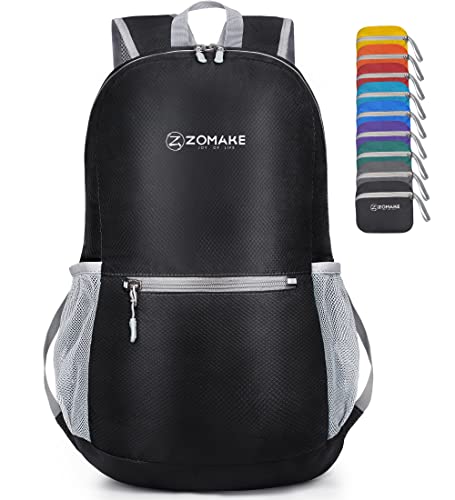
- ✓ Ultra lightweight and packable
- ✓ Water resistant nylon material
- ✓ Ergonomic, comfortable design
- ✕ Not fully waterproof
- ✕ Smaller front pocket could be bigger
| Capacity | 20 liters |
| Material | Nylon with water-resistant and tear-resistant properties |
| Dimensions (Unfolded) | 17.71 x 5.5 x 10.6 inches |
| Folded Size | 6.7 x 6.7 x 1.97 inches |
| Weight | 0.5 pounds (approximately 226 grams) |
| Design Features | Ergonomic back design, reflective strips for night safety, double-layered reinforced stitching, two-way SBS zipper |
There’s a common misconception that a lightweight backpack can’t be durable or hold enough for a day out. I was skeptical about how well a pack weighing just half a pound could really keep up.
After stuffing the ZOMAKE 20L backpack with my essentials, I was surprised by its sturdiness. The nylon fabric feels tough, and the water resistance held up during a light drizzle without any worries.
It’s amazing how such a tiny pack can expand to 20L—perfect for quick hikes or city adventures.
The design is thoughtful, with a main compartment that fits clothes and a few guides easily. Smaller pockets for phones, keys, and water bottles keep things organized.
Carrying it feels comfortable too, thanks to the ergonomic back design that reduces shoulder pressure.
What really won me over is how compact it folds into an almost pocket-sized pouch. Tossing it into my luggage or purse is effortless, and I don’t have to leave behind a bulky bag.
Plus, the reflective strips added a nice touch for night walks, making me feel safer.
It’s not completely waterproof, so I wouldn’t trust it in a heavy rain, but it handles light showers well. The zippers are smooth and durable, which is a relief for everyday use.
Overall, this backpack feels like a smart, versatile choice for hot weather hikes, quick trips, or everyday errands.
What Features Should You Look for in the Best Hot Weather Hiking Backpack?
When searching for the best hot weather hiking backpack, consider the following features:
- Ventilation: A well-ventilated design is crucial for hot weather hiking, as it allows for air circulation and helps prevent overheating. Look for backpacks with mesh back panels or air channels that promote airflow between your back and the pack.
- Lightweight Material: Opt for backpacks made from lightweight and durable materials to reduce the overall weight you carry. Materials like ripstop nylon or polyester are common choices that balance weight and durability, making your hike more comfortable.
- Hydration System Compatibility: Staying hydrated is essential in hot weather, so choose a backpack that supports hydration reservoirs or has easy-access pockets for water bottles. Many hiking backpacks come with a built-in hydration sleeve or dedicated compartments for quick hydration on the go.
- Moisture-Wicking Fabric: The interior fabric of the backpack should be moisture-wicking to keep your gear dry and prevent mildew. Look for backpacks that feature breathable materials in the compartments where you store your clothing and gear.
- Storage Capacity: Consider the storage capacity based on the length of your hikes and the gear you need. A pack with multiple compartments can help keep your items organized and easily accessible, which is especially important when you need to grab quick snacks or sunscreen during your trek.
- Padded Straps and Back Panel: Adequate padding on the shoulder straps and back panel enhances comfort during long hikes. Look for ergonomic designs that distribute weight evenly to reduce strain on your shoulders and back.
- Adjustable Fit: A good fit is crucial for comfort and stability, so choose a backpack with adjustable straps and a hip belt to customize the fit according to your body shape. This feature allows you to tailor the backpack to your size, ensuring it stays secure during movement.
- Reflective Elements: If you plan to hike in low-light conditions, reflective elements on the backpack will enhance visibility for safety. Look for backpacks that incorporate reflective strips or patches to ensure you’re seen by others, especially when hiking near roadways.
How Important is Ventilation for Hot Weather Hiking?
- Backpack Design: The design of a hot weather hiking backpack plays a significant role in ventilation. Look for backpacks with mesh panels and air channels that promote airflow, helping to dissipate heat and moisture from your back.
- Material Breathability: The materials used in the construction of the backpack can greatly affect ventilation. Fabrics that are lightweight and breathable, such as nylon or polyester with moisture-wicking properties, help in keeping you cool by allowing sweat to evaporate quickly.
- Load Distribution: Proper load distribution in a backpack helps maintain airflow around your back. A well-designed harness system can keep the backpack slightly away from your body, allowing for better ventilation and reducing the risk of overheating.
- Adjustable Features: Adjustable straps and ventilation systems are essential for fitting the backpack to your body shape and size. Features like adjustable sternum straps and hip belts can help secure the pack while still allowing air to circulate effectively.
- Pockets and Compartments: The arrangement of pockets and compartments can influence airflow. A backpack with strategically placed pockets that don’t obstruct ventilation zones can enhance cooling and accessibility to essentials like water bottles or snacks during hikes.
What Is the Role of Weight in Comfort During Summer Adventures?
Weight plays a crucial role in comfort during summer hiking adventures, particularly in hot weather. A lighter backpack can significantly enhance your overall experience by minimizing fatigue and allowing for easier maneuverability. Here are key factors to consider regarding weight:
-
Reduced Strain: Carrying a lighter load decreases the strain on your muscles and joints, making it less physically taxing to hike in high temperatures. This is especially important when dehydration is a concern, as heavy packs can exacerbate fatigue.
-
Improved Thermoregulation: During hot weather, lightweight materials help the body maintain a lower temperature, allowing for better heat dissipation and reducing the risk of overheating. A heavy backpack can trap heat and make you feel more uncomfortable.
-
Efficiency of Movement: A lighter backpack can help maintain a quicker pace and improve agility on the trail, which is advantageous in summer when maintaining hydration levels and reaching shaded areas or water sources is essential.
-
Essential Gear Only: Opting for lightweight backpacks encourages hikers to focus on bringing only crucial items, which can significantly reduce the overall weight. This minimalist approach not only lightens the load but also improves decision-making on what is actually necessary for the trek.
Ultimately, selecting a weight-appropriate backpack is fundamental for enjoying long summer hikes without compromising comfort or safety.
Which Materials Offer the Best Insulation and Breathability?
The best materials for hot weather hiking backpacks prioritize both insulation and breathability to ensure comfort during outdoor activities.
- Nylon: Nylon is lightweight, durable, and has good breathability, making it a popular choice for hot weather hiking backpacks. Its water-resistant properties also help keep contents dry without compromising airflow.
- Mesh: Mesh fabric is highly breathable and allows for excellent airflow, which helps in moisture management during high temperatures. It is often used in areas like back panels and shoulder straps to enhance ventilation and comfort.
- Polyester: Polyester is another lightweight material that resists fading and mildew, making it suitable for outdoor use. It offers decent moisture-wicking properties, enhancing comfort by keeping sweat away from the body.
- Cordura Fabric: Known for its exceptional durability, Cordura is a type of nylon that is resistant to abrasions and tears. While it may not be as breathable as mesh, its ruggedness makes it ideal for heavy-duty backpacks used in challenging environments.
- Ripstop Fabric: This material is woven to resist tearing and ripping, making it a durable choice for backpacks. While it may not offer the same level of breathability as mesh, it can be treated to enhance moisture-wicking properties, making it suitable for hot weather conditions.
- Softshell Fabric: Softshells are designed for flexibility and breathability while providing some level of weather resistance. They are often used in backpacks that require a balance of comfort and protection, making them suitable for varying hot weather conditions.
What Are the Top Brands for Hot Weather Hiking Backpacks?
The top brands for hot weather hiking backpacks prioritize breathability, lightweight materials, and hydration compatibility.
- Osprey: Known for their innovative designs and comfort, Osprey backpacks often feature mesh back panels that enhance ventilation, making them ideal for hot weather hikes. Many models also incorporate hydration reservoirs, allowing hikers to stay hydrated without stopping to retrieve water bottles.
- Deuter: Deuter offers a range of backpacks specifically designed for hot climates, utilizing materials that wick moisture and facilitate airflow. Their Aircomfort Sensic Vario back system is particularly notable for its exceptional ventilation, reducing sweat buildup during long treks.
- REI Co-op: REI Co-op backpacks are designed with versatility in mind, often featuring lightweight fabrics and adjustable harness systems for comfort. Their backpacks also include ample pockets for organizing gear and are typically equipped with hydration sleeves, which are essential for keeping cool and hydrated.
- Gregory: Gregory backpacks are praised for their ergonomic designs and durability, making them great for both short hikes and long treks in hot conditions. Many models include a ventilated back panel that allows air circulation, helping to keep the back cool and dry.
- CamelBak: While primarily known for hydration systems, CamelBak also produces backpacks that are perfect for hot weather, focusing heavily on water accessibility. Their designs often incorporate lightweight materials and mesh ventilation areas to maximize airflow and comfort during warm hikes.
Which Brands Are Known for Durability and Performance in Hot Conditions?
Several brands are renowned for producing durable and high-performance hiking backpacks that excel in hot weather conditions:
- Osprey: Osprey’s backpacks often feature advanced ventilation systems like the AirSpeed back panel, which allows for superior airflow to keep you cool during hot hikes. Their materials are durable yet lightweight, ensuring that the backpack can withstand rough terrain while remaining comfortable for long durations.
- Gregory: Gregory offers a range of backpacks designed for comfort and breathability, with technologies such as the Free Float suspension system that adapts to your movements and maintains airflow. Their packs are also equipped with moisture-wicking materials, ensuring that sweat is managed effectively in high temperatures.
- Deuter: Known for their Aircomfort back system, Deuter backpacks provide excellent ventilation and reduce back contact, which helps in maintaining a cooler experience in hot conditions. Additionally, their robust construction ensures longevity, making them a reliable choice for frequent hikers.
- REI Co-op: The REI Co-op brand offers affordable yet high-performing options, with designs focusing on breathability and hydration features. Their backpacks are often equipped with mesh panels and hydration reservoirs to keep you cool and hydrated on warm days.
- Arc’teryx: Arc’teryx backpacks are known for their sleek design and high-quality materials that resist wear and tear. Their focus on ergonomic design ensures efficient load distribution, allowing hikers to carry their gear comfortably even in extreme heat.
How Do Different Brands Compare in Terms of Design and Functionality?
| Brand | Design | Functionality | Weight Capacity | Price Range | Warranty |
|---|---|---|---|---|---|
| Brand A | Lightweight fabric, ergonomic design, multiple color options. | Excellent ventilation, hydration system compatibility, adjustable straps. | 40 lbs | $100 – $150 | 2 years |
| Brand B | Durable materials, minimalist style, various sizes available. | Enhanced load distribution, quick access pockets, rain cover included. | 50 lbs | $120 – $180 | 3 years |
| Brand C | Stylish patterns, padded back panel, reflective accents. | Integrated sunshade, easy-access compartments, water-resistant design. | 35 lbs | $90 – $130 | Lifetime |
What Size Backpack Do You Need for Optimal Hot Weather Hiking?
Choosing the right size backpack for hot weather hiking is crucial for comfort and efficiency.
- Daypacks (15-30 liters): Ideal for short hikes, daypacks provide enough space for essentials like water, snacks, and a first-aid kit without being cumbersome.
- Weekend Packs (30-50 liters): Suitable for overnight trips, these packs offer extra room for additional gear such as a sleeping bag, cooking equipment, and extra clothing, while still allowing for ventilation.
- Multi-Day Packs (50+ liters): Designed for extended hikes, these larger backpacks carry significant gear, including a tent and food supplies, and often have features to enhance airflow to keep you cool.
- Hydration Packs (1-15 liters): Lightweight and compact, hydration packs focus primarily on water storage, making them perfect for very short hikes in hot conditions where water supply is a priority.
Daypacks are typically lightweight and designed for carrying essentials for a few hours, ensuring that hikers remain agile and comfortable without overheating.
Weekend packs strike a balance between capacity and convenience, often equipped with features that promote airflow and reduce sweating, making them ideal for moderate hiking trips.
Multi-day packs provide ample storage space for long excursions while incorporating ventilation systems and adjustable straps to distribute weight evenly, which is especially beneficial in warmer weather.
Hydration packs are perfect for short, intense activities, allowing easy access to water while keeping the load light and minimizing body heat retention.
How Much Capacity Is Ideal for Day Hikes in High Temperatures?
The ideal capacity for day hikes in high temperatures largely depends on the duration of the hike and the amount of gear you need to carry.
- 15-20 Liters: This capacity is suitable for short day hikes, typically lasting 2-4 hours. It allows enough space for essentials like water, snacks, a first aid kit, and a lightweight rain jacket.
- 20-30 Liters: This range is ideal for longer hikes, around 4-8 hours, where you may need additional supplies like extra clothing, more food, or a compact camera. It strikes a balance between carrying enough gear and maintaining a lightweight feel to prevent overheating.
- 30-40 Liters: For those planning extended day hikes or hikes in remote areas, this capacity is beneficial. It provides ample room for extra water, a more comprehensive first aid kit, additional layers, and even cooking gear if necessary, while still being manageable for hot weather.
- Hydration Packs: These typically range from 1.5 to 3 liters and are excellent for carrying water while keeping your hands free. They often have additional pockets for small essentials, making them a great choice for warm weather hikes where hydration is crucial.
What Considerations Should You Keep in Mind for Extended Hiking Trips?
When planning extended hiking trips in hot weather, several key considerations will help ensure a safe and enjoyable experience.
- Hydration System: A reliable hydration system is essential for hot weather hiking. Look for backpacks with built-in reservoirs or water bladder compartments that allow easy access to hydration, as maintaining fluid intake is critical to prevent dehydration.
- Ventilation and Breathability: Choose a backpack designed with breathable materials and adequate ventilation. This feature will help reduce heat buildup and sweat accumulation, keeping you cooler during long hikes in the sun.
- Weight and Load Distribution: The weight of the backpack and how it distributes the load can significantly affect your comfort. Opt for lightweight packs with adjustable straps that help balance the weight across your body, reducing fatigue over extended distances.
- Sun Protection: Consider a backpack that includes features for sun protection, such as a built-in sunshade or reflective materials. Keeping your skin protected from UV rays is crucial during long periods of exposure in hot weather.
- Storage for Essentials: Ensure that the backpack has ample storage for essentials like snacks, sunscreen, and first-aid supplies. Organizing these items in easily accessible compartments allows you to quickly address your needs during the hike.
- Comfort Features: Look for padded shoulder straps, a supportive hip belt, and back panels designed for airflow. These comfort features are vital for minimizing strain on your body during long hikes, especially in challenging heat conditions.
- Durability and Weather Resistance: Choose a backpack made from durable, weather-resistant materials to withstand the rigors of extended hiking. This will protect your gear from sweat and unexpected rain, ensuring everything remains dry and intact throughout your adventure.
How Can Hydration Systems Enhance Your Hot Weather Hiking Experience?
Hydration systems are essential for enhancing your hot weather hiking experience by ensuring you stay cool and properly hydrated.
- Built-in Hydration Reservoir: Many of the best hot weather hiking backpacks come with a built-in hydration reservoir that allows you to carry a significant amount of water without the bulk of traditional bottles.
- Insulated Bladder: An insulated bladder helps keep your water cool even on the hottest days, which can be refreshing and encourage you to drink more frequently.
- Hydration Tube: A hydration tube provides easy access to your water supply without having to stop and rummage through your pack, allowing for more focus on your hike.
- Storage for Additional Hydration Gear: These backpacks often include extra pockets and storage options for carrying electrolytes, water purification tablets, or even additional collapsible water bottles.
- Lightweight Materials: The best hot weather hiking backpacks are made from lightweight, breathable materials that help minimize sweat and discomfort while carrying your hydration system.
Built-in Hydration Reservoir: Many of the best hot weather hiking backpacks come equipped with a built-in hydration reservoir, which can hold anywhere from 1.5 to 3 liters of water. This design eliminates the need for bulky water bottles, allowing for a more streamlined and balanced pack, which is particularly beneficial during long hikes in warm weather.
Insulated Bladder: An insulated bladder is designed to keep your water cool, providing refreshing hydration as you hike. This feature is especially beneficial in hot climates, as cooler water can help regulate your body temperature and prevent overheating, encouraging you to drink more often.
Hydration Tube: The hydration tube allows you to sip water without needing to stop, which helps maintain your pace and focus while hiking. This convenience is crucial in hot weather, where every moment counts in avoiding dehydration and heat-related illnesses.
Storage for Additional Hydration Gear: Many hydration backpacks come with extra compartments specifically designed for storing hydration-related items, such as electrolyte powders, purification tablets, or compact collapsible water bottles. This added functionality ensures you are well-prepared and equipped for extended hikes in warmer conditions.
Lightweight Materials: The best hot weather hiking backpacks prioritize lightweight and breathable materials that enhance comfort and reduce sweat build-up on your back. This characteristic is vital for maintaining energy levels and preventing overheating during strenuous activities under the sun.
What Are the Advantages of Hydration Reservoirs Over Traditional Water Bottles?
Hydration reservoirs offer several advantages over traditional water bottles, especially for activities like hiking in hot weather.
- Hands-Free Hydration: Hydration reservoirs typically come with a tube that allows for sipping water without needing to stop or use your hands, enhancing convenience during hikes.
- Increased Water Capacity: Reservoirs often hold more water than standard bottles, providing a larger supply for long hikes, which is crucial in hot weather conditions.
- Weight Distribution: When integrated into a backpack, reservoirs help distribute weight evenly across your back, improving balance and comfort while trekking.
- Reduced Risk of Spills: Reservoirs are designed to minimize leaks and spills, which can be a common issue with traditional bottles, keeping your gear dry.
- Quick Refill Options: Many reservoirs feature wide openings for easy filling and cleaning, making it simpler to refill with water from various sources along the trail.
Hands-free hydration is essential for maintaining pace and efficiency, allowing hikers to drink water without needing to pause or fumble with bottles. This is particularly advantageous when navigating challenging terrain or engaging in strenuous activities.
The increased water capacity of hydration reservoirs ensures that hikers have enough hydration for extended trips, reducing the need to frequently stop for refills. This is especially important in hot weather where dehydration can occur rapidly.
With a hydration reservoir, the weight is typically located closer to the body and distributed evenly, reducing strain on the back and shoulders. This can lead to a more comfortable experience, especially over long distances.
Reservoirs are designed with secure seals and valves that greatly reduce the likelihood of leaks, which can be a significant drawback of traditional water bottles that might pop open or spill in a pack. This feature helps keep your gear safe and dry during a hike.
The quick refill options available with many hydration reservoirs make it easy to replenish water without hassle. A wide opening allows for fast and easy access, making it simple to hydrate on-the-go, especially when you encounter streams or lakes during your hike.
How Do You Choose the Right Hydration System for Your Needs?
Choosing the right hydration system for hot weather hiking is crucial for maintaining hydration and comfort during your outdoor adventures.
- Hydration Reservoir: A hydration reservoir is a bladder that holds water, typically made from flexible materials, which can be easily placed in a backpack. These systems often come equipped with a drinking tube for easy access, allowing hikers to hydrate without stopping. Look for reservoirs with a wide opening for easy filling and cleaning, along with a capacity that meets your hydration needs for the duration of your hike.
- Water Bottles: Traditional water bottles are a straightforward option, and they come in various materials such as plastic, stainless steel, or glass. They can be carried in external pockets or internal compartments of your backpack, and some designs are insulated to keep water cool in hot weather. Selecting bottles with wide mouths can enhance refilling and cleaning, while those with a built-in filter can ensure safe drinking from natural water sources.
- Hydration Packs: Hydration packs are specialized backpacks that come with built-in reservoirs and often have additional storage for gear and snacks. They are lightweight and designed for active use, making them ideal for hiking in hot conditions when you need to carry water and essentials on your back. Many models feature adjustable straps for comfort and ventilation to help keep you cool while hiking.
- Collapsible Water Containers: These are lightweight, flexible containers that can be filled with water and collapsed when empty, making them easy to carry. They are particularly useful for long hikes where you may need to carry extra water but want to save space when not in use. Look for containers that are made from durable materials and are easy to clean, ensuring they can withstand rough handling during your hike.
- Water Purification Systems: If you plan on hiking in areas where water sources are available, having a portable water purification system is essential for safe hydration. These systems can include filters, UV purifiers, or chemical treatment options that remove harmful pathogens from natural water sources. Choose a system that is lightweight and easy to use, as this will encourage you to stay hydrated without the worry of contamination.
What Accessories Should You Include for Comfortable Hiking in Hot Weather?
When hiking in hot weather, choosing the right accessories is crucial for comfort and safety.
- Hydration Bladder: A hydration bladder allows for easy access to water while on the move, encouraging regular hydration without interrupting your pace. Opt for a bladder with a large capacity and a wide mouth for easy filling and cleaning, ensuring you stay well-hydrated throughout your hike.
- Lightweight, Breathable Clothing: Wearing lightweight and moisture-wicking fabrics helps regulate your body temperature and keeps sweat away from your skin. Look for clothing designed with ventilation features, such as mesh panels or loose-fitting styles, to enhance airflow and comfort.
- Wide-Brimmed Hat: A wide-brimmed hat provides essential shade for your face, neck, and ears, protecting you from the sun’s harmful rays. Choose a hat made from lightweight, breathable materials to ensure comfort and moisture management during extended wear.
- Sunglasses with UV Protection: Quality sunglasses protect your eyes from harmful UV rays and reduce glare from the sun and reflective surfaces. Look for polarized lenses for improved visibility and eye comfort while hiking in bright conditions.
- Cooling Towel: A cooling towel can provide instant relief from heat when soaked in water and draped around your neck or forehead. These towels are lightweight and portable, making them an excellent addition to your hiking gear for quick cooling breaks.
- Sunblock: Broad-spectrum sunblock with a high SPF is essential for protecting exposed skin from sunburn. Choose a water-resistant formula that can withstand sweating and reapply every couple of hours to ensure continuous protection during your hike.
- Insect Repellent: Insect repellent helps ward off mosquitoes and other pests, which can be particularly bothersome in warm weather. Opt for a formula that contains DEET or natural alternatives to keep bugs at bay without compromising your comfort.
How Can Sun Protection Gear Improve Your Hiking Experience?
Sun protection gear can significantly enhance your hiking experience by keeping you comfortable, safe, and focused on your adventure.
- Wide-brimmed Hat: A wide-brimmed hat provides essential shade for your face, neck, and ears, protecting these sensitive areas from harmful UV rays.
- Sunglasses: Quality sunglasses with UV protection can prevent eye strain and reduce the risk of cataracts, making your hike more enjoyable and safe.
- UPF Clothing: Clothing with an Ultraviolet Protection Factor (UPF) rating offers effective protection against the sun while keeping you cool and comfortable during hot weather hikes.
- Sunscreen: Applying a broad-spectrum sunscreen helps protect your skin from sunburn and long-term damage, allowing you to focus on the trail rather than discomfort.
- Cooling Towels: Cooling towels can be soaked in water and worn around your neck to help regulate body temperature, enhancing your comfort during strenuous hikes in hot conditions.
- Lightweight Backpack: A lightweight backpack designed for hot weather can facilitate airflow and minimize sweat accumulation, making it easier to carry essential gear without overheating.
A wide-brimmed hat is particularly useful in blocking sunlight from directly hitting your face, which can help prevent sunburn and heat exhaustion, allowing you to hike longer and more comfortably. Additionally, a good hat can keep you cooler by providing shade.
Sunglasses are essential for protecting your eyes from UV damage, which can be intensified by reflective surfaces like water or sand. Opting for polarized lenses can also reduce glare, enabling you to enjoy the scenery without squinting.
UPF clothing is specifically designed to block UV rays while remaining breathable and lightweight, making it a perfect choice for hiking in hot weather. This type of clothing allows for better moisture management, keeping you dry and comfortable.
Using sunscreen is crucial as it acts as a barrier against UV rays, which can lead to skin damage over time. Regular reapplication during your hike ensures continued protection, especially in areas that might be missed by clothing.
Cooling towels are an innovative solution for hikers needing to combat heat. When soaked, these towels provide instant relief by cooling the skin, which is beneficial after a tough climb or during breaks in the sun.
A lightweight backpack designed for hot weather often includes features such as mesh panels for ventilation and hydration reservoirs to keep you hydrated without the bulk of traditional water bottles. This design helps distribute weight evenly while allowing for airflow, reducing the chances of overheating.
What Footwear Is Best Suited for Hot Weather Hiking Conditions?
When hiking in hot weather, choosing the right footwear is crucial for comfort and performance.
- Breathable Trail Runners: These lightweight shoes often feature mesh uppers that allow for excellent ventilation, helping to keep your feet cool and dry.
- Sandals with Good Arch Support: Designed for breathability, these sandals keep your feet exposed to air while providing necessary support for long hikes, making them a great choice for hot conditions.
- Lightweight Hiking Boots: Made with breathable materials, these boots offer ankle support and protection while still allowing for airflow, which is essential in hot weather.
- Waterproof Hiking Shoes: While typically less breathable, there are waterproof options with moisture-wicking linings that help manage sweat, providing a balance between dryness and protection from the elements.
- Socks with Moisture-Wicking Properties: While not footwear themselves, the right socks can make a significant difference by keeping your feet dry and reducing the risk of blisters during hot hikes.
Breathable trail runners are ideal for hot weather due to their lightweight construction and mesh uppers that facilitate airflow. They provide sufficient grip on various terrains and are often designed to be quick-drying, which is beneficial if you encounter water or sweat accumulation.
Sandals with good arch support can be a refreshing alternative, allowing for maximum ventilation and comfort. Look for designs that include adjustable straps and cushioned footbeds, which help to secure the foot while providing ample comfort during extended wear.
Lightweight hiking boots are a versatile choice, offering both protection and breathability. Many modern designs utilize advanced materials that enhance airflow while ensuring durability and support for uneven terrains.
Waterproof hiking shoes may be necessary in humid environments or when traversing through wet conditions. These shoes often come with a breathable lining that helps regulate temperature and moisture, allowing for a comfortable experience even in the heat.
Socks with moisture-wicking properties are essential for keeping feet dry and reducing blister risk during long hikes. Opting for synthetic or merino wool options can enhance comfort by drawing moisture away from the skin while maintaining a breathable environment within your footwear.
What Are Effective Tips for Staying Comfortable During Hot Weather Hikes?
To stay comfortable during hot weather hikes, it’s essential to use the right gear, hydration strategies, and clothing. Here are some effective tips:
- Choose a Lightweight, Breathable Backpack: Select a backpack made from lightweight materials that allow for airflow to keep your back cool. Look for designs that feature mesh panels or ventilation systems to enhance breathability while distributing weight evenly to reduce strain.
- Stay Hydrated: Carry ample water and consider hydration packs that allow for easy sipping while hiking. It’s important to drink water regularly, even if you don’t feel thirsty, as dehydration can sneak up on you in hot conditions.
- Wear Moisture-Wicking Clothing: Opt for clothing made of synthetic or merino wool materials that draw sweat away from your skin and dry quickly. This helps regulate your body temperature and keeps you comfortable as you hike.
- Use Sun Protection: Apply sunscreen generously to exposed skin and wear a wide-brimmed hat and UV-protective sunglasses. This can help prevent sunburn and overheating, allowing you to enjoy your hike without the discomfort of sun exposure.
- Plan Hikes During Cooler Times: Schedule your hikes for early morning or late afternoon when temperatures are lower. This not only makes the hike more enjoyable but also reduces the risk of heat-related illnesses.
- Take Regular Breaks in Shade: Plan to take breaks in shaded areas to cool down and rest. This will help your body recover and maintain energy levels, especially on long hikes in high temperatures.
- Use Cooling Accessories: Consider carrying cooling towels or bandanas that can be soaked in water and worn around your neck or on your forehead. These accessories can help lower your body temperature and provide relief during hot spells.
How Can You Ensure Proper Hydration While Hiking in Heat?
To ensure proper hydration while hiking in heat, it’s essential to choose the right gear and follow specific strategies.
- Hydration Reservoir: A hydration reservoir allows you to carry a significant amount of water and sip it through a tube without needing to stop. This hands-free approach is convenient, especially in hot weather, as it encourages regular hydration.
- Insulated Water Bottles: Using insulated water bottles helps keep your water cool throughout your hike, making it more enjoyable to drink. They are typically made from stainless steel or specialized materials that retain temperature, ensuring your water remains refreshing even in high heat.
- Sunscreen and Protective Gear: While not directly related to hydration, using sunscreen and wearing protective clothing helps prevent sunburn, which can lead to dehydration. By minimizing heat exposure, you can maintain a steady hydration level during your hike.
- Electrolyte Supplements: Carrying electrolyte supplements or tablets can help replenish lost salts when sweating heavily in the heat. These supplements can be easily mixed with water, providing essential minerals that support hydration and prevent cramping.
- Lightweight Backpack Design: A well-designed, lightweight backpack tailored for hot weather helps reduce the amount of energy you expend while hiking. This design often includes ventilation and moisture-wicking materials, allowing for better airflow and reducing sweat, thereby aiding in maintaining hydration levels.
- Frequent Water Breaks: Schedule regular water breaks to remind yourself to drink water consistently rather than waiting until you feel thirsty. Thirst can often be a sign of early dehydration, so proactive hydration is key in hot conditions.
What Clothing Choices Will Keep You Cool and Comfortable on Hot Trails?
The best clothing choices for hot weather hiking focus on breathability, moisture-wicking properties, and lightweight materials to ensure comfort and prevent overheating.
- Moisture-Wicking Shirts: These shirts are designed to draw sweat away from the skin, allowing it to evaporate quickly. This helps regulate body temperature and keeps you feeling dry, which is essential for comfort on long hikes in the heat.
- Lightweight and Breathable Fabrics: Fabrics such as nylon and polyester are excellent for hot weather as they are lightweight and allow for better airflow. These materials also tend to dry faster compared to cotton, which can become heavy and uncomfortable when wet.
- Convertible Pants: Convertible pants offer versatility with zip-off legs that can be turned into shorts. This allows hikers to adapt to changing temperatures throughout the day, providing comfort and sun protection when needed.
- Wide-Brimmed Hats: A hat with a wide brim helps shield your face and neck from the sun, reducing the risk of sunburn and overheating. Look for hats made from breathable materials that allow for good ventilation.
- UV Protection Clothing: UV protection clothing is designed with special fabrics that block harmful UV rays. Wearing these garments can help prevent sun damage during long hours of exposure, making them a smart choice for outdoor activities.
- Lightweight Hiking Shoes: Choosing lightweight and breathable hiking shoes can significantly improve comfort. Look for shoes that provide good traction and support while allowing your feet to breathe, reducing the chances of blisters and overheating.
- Cooling Accessories: Accessories like cooling bandanas or neck gaiters can provide additional relief from heat. These items can be soaked in water and worn around the neck or head, helping to lower body temperature as they evaporate.
- Base Layer: A moisture-wicking base layer can serve as an effective barrier between your skin and the elements. Look for options that are lightweight and designed specifically for high temperatures to enhance airflow and moisture control.