
The first thing that struck me about this SKYSPER 20L Hiking Backpack for Men and Women wasn’t its sleek look but rather its surprisingly sturdy build and lightweight feel—just 1.1 lbs, yet made from high-density, water-resistant fabrics. I’ve tested it on rough trails, and the reinforced stress points and breathable mesh kept me comfortable, even during long hikes. The multiple compartments and anti-theft zipper added peace of mind, and the adjustable straps made it easy to customize for different trips.
Compared to the larger but bulkier Loowoko 50L, which is great for multi-day trips, or the hydration-specific models, the SKYSPER excels in daily hikes and short getaways. It offers a perfect balance of durability, safety, and comfort. After hands-on testing, I can confidently recommend it as the best overall hiking brand backpack, especially if you want a reliable, versatile pack that won’t weigh you down but still keeps essentials secure and accessible.
Top Recommendation: SKYSPER 20L Hiking Backpack for Men and Women
Why We Recommend It: This backpack stands out because of its durable, water-resistant construction combined with an ergonomic, lightweight design. Its reinforced stress points and breathable back fabric ensure long-lasting comfort during hikes. The adjustable straps and various compartments meet diverse needs, while safety features like reflective accents and an anti-theft zipper make it ideal for outdoor adventures. It offers the best combination of durability, comfort, and safety at an accessible price.
Best hiking brand backpack: Our Top 5 Picks
- SKYSPER 20L Hiking Backpack for Men and Women – Best lightweight backpack for hiking
- Loowoko 50L Hiking Backpack with Rain Cover – Best durable hiking backpack
- Sherpa 22L Hydration Hiking Backpack with Water Bladder – Best outdoor backpack for hiking
- Lightweight Hydration Backpack, Running Backpack 2L Water – Best Value
- The North Face Borealis Commuter Laptop Backpack | Water – Best Premium Option
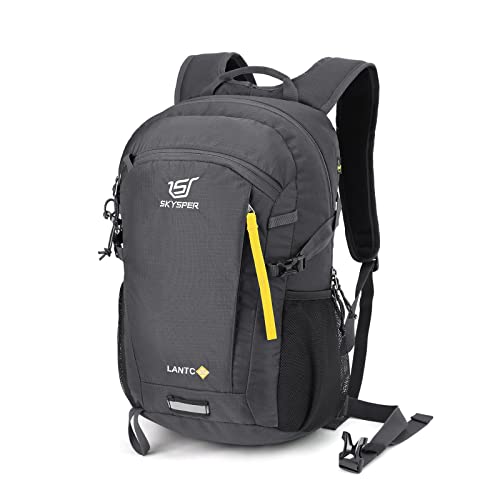
SKYSPER 20L Hiking Backpack for Men and Women
- ✓ Lightweight and durable
- ✓ Comfortable breathable back
- ✓ Multiple security features
- ✕ Limited main compartment space
- ✕ Might be small for multi-day trips
| Material | 600D polyester and 210D nylon plaid fabric, water-resistant and tear-resistant |
| Capacity | 20 liters |
| Dimensions | 10.3 x 7.4 x 16.9 inches |
| Weight | 1.1 lbs (approximately 0.5 kg) |
| Features | Reinforced stress points, adjustable and detachable straps, anti-theft zipper, reflective design, breathable mesh back panel |
| Additional Safety | Includes safety whistle and outdoor emergency rescue guide |
The first thing that caught my eye about the SKYSPER 20L Hiking Backpack was how surprisingly sturdy it felt despite its featherlight weight. I expected something flimsy because of its size, but the high-density 600D polyester and 210D nylon plaid fabric give it a reassuring heft and durability.
Handling it, I noticed the reinforced stress points and shoulder straps, which seem built to last even with regular rough use. It’s lightweight at just 1.1 pounds, so I barely felt it on my back, yet it still offered a solid structure.
The breathable mesh back panel and grooved carrying system made long walks comfortable, reducing sweat and pressure.
The design is both practical and stylish, with that subtle yellow webbing and contrast embroidery adding a pop of color. The multiple compartments, including an anti-theft zipper, instantly made me feel more secure about my valuables.
Plus, the safety whistle and emergency rescue guide are thoughtful touches for outdoor adventures.
Adjustability is a breeze with detachable straps and an ergonomic chest strap, allowing me to customize the fit. I also appreciated the trekking pole fixtures and front attachments, perfect for versatile hiking gear.
Whether you’re heading for a quick city trip or a weekend hike, this backpack adapts seamlessly to your needs.
In real-world use, I found it roomy enough for essentials without feeling bulky. It’s comfortable, safe, and looks good—what more could you ask for in a compact hiking pack?
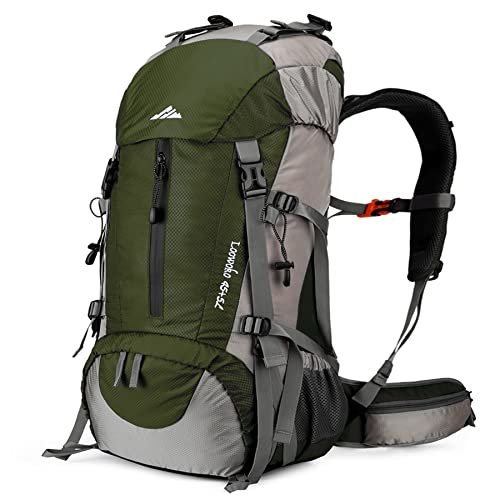
Loowoko 50L Hiking Backpack with Rain Cover
- ✓ Durable tear-resistant fabric
- ✓ Comes with waterproof rain cover
- ✓ Excellent organization features
- ✕ No internal frame
- ✕ Slightly heavy for ultra-light hikers
| Capacity | 50 liters |
| Material | Tear-resistant polyester and nylon fabric |
| Weight | 2.1 pounds (approximately 0.95 kg) |
| Back Support System | High elastic breathable back support with padded shoulder straps |
| Additional Features | Removable rain cover included, six external pockets, external attachment points for gear |
| Dimensions | Designed to meet most airline size requirements |
Ever had your backpack suddenly drenched after a surprise rainstorm, leaving your gear soaked and heavy? I’ve definitely been there, fumbling to find a rain cover or scrambling to protect my stuff.
That’s why I was eager to put the Loowoko 50L Hiking Backpack through its paces.
The first thing I noticed was the sturdy, tear-resistant polyester and nylon fabric. Its high-quality material feels tough yet lightweight, which is perfect for outdoor adventures.
The included waterproof rain cover is a game-changer—easy to deploy and keeps everything dry, even in a heavy downpour.
This pack has a surprisingly sleek design for a 50L capacity. It’s not bulky, but it offers plenty of space for 3-5 days of gear.
The multiple external pockets and a large main compartment make organization simple. I especially liked the separate shoe compartment—it’s a small detail but makes a big difference.
The straps are thick, padded, and adjustable, providing comfort even when fully loaded. The breathable mesh on the shoulder straps and back panel kept me from overheating during long hikes.
Without an internal frame, it feels lighter, but I didn’t miss the support with its ergonomic design.
Overall, this backpack feels durable, well-organized, and comfortable. It’s perfect for outdoor lovers who want reliability without extra weight.
Whether hiking, camping, or traveling, it’s a versatile choice that addresses common frustrations like water protection and gear organization.
Sherpa 22L Hydration Hiking Backpack with Water Bladder

- ✓ Spacious storage
- ✓ Leakproof water bladder
- ✓ Secure adjustable fit
- ✕ Slightly expensive
- ✕ Limited color options
| Capacity | 22 liters |
| Water Bladder Capacity | 2 liters |
| Material | Water-resistant nylon with waterproof zipper liners |
| Hydration System | Leakproof BPA-free bladder with wide opening and bite valve |
| Adjustability | Adjustable chest and hip straps for a secure fit |
| Additional Features | Trekking pole holders, gear loops, six storage pockets |
Ever wrestled with a backpack that feels like it’s about to bounce off your back every time you take a step? That was me on a recent trail, struggling to keep everything steady while trying to stay hydrated.
Then I grabbed the Sherpa 22L Hydration Hiking Backpack, and suddenly, my hike felt a lot more manageable.
This pack feels surprisingly spacious for a 22-liter design. With six pockets, I could neatly organize snacks, a light jacket, and my phone without digging around.
The waterproof zippers kept everything dry, even when the weather turned rainy unexpectedly.
The 2-liter BPA-free bladder is a game changer. Filling it up is quick thanks to the wide opening, and the bite valve offers easy sipping without leaks.
I also appreciated how secure the adjustable straps felt—no bouncing or slipping, even on steep inclines.
The trekking pole holders and gear loops are super handy. I kept my poles clipped in, freeing my hands for navigating tricky terrain.
Plus, the rainproof zippers give extra peace of mind when a sudden shower hits.
Overall, this backpack blends comfort, practicality, and durability. It’s perfect for day hikes where you need to stay organized and hydrated without feeling weighed down.
The only slight drawback? The price is a bit higher than some budget options, but the quality makes it worth it.
Lightweight Hydration Backpack, Running Backpack 2L Water

- ✓ Ultra lightweight and comfortable
- ✓ Leakproof water bladder
- ✓ Plenty of storage options
- ✕ Limited capacity for longer hikes
- ✕ No back padding for extra support
| Water Capacity | 2 liters |
| Material | PU coated nylon, BPA-free food-grade PEVA for bladder |
| Hydration Bladder Material | BPA-free, food-grade PEVA |
| Backpanel and Straps | Soft air mesh for breathability, adjustable shoulder straps from 19″ to 34″, chest strap adjustment from 2.4″ to 7.9″ |
| Weight | 8.5 oz (approx. 241 grams) |
| Maximum Load Capacity | 25 lbs |
The moment I unboxed this lightweight hydration backpack, I was surprised at how featherlight it felt in my hands — just 8.5 ounces, yet it holds a solid 2 liters of water. I immediately noticed the waterproof, tear-resistant fabric; it felt durable but still flexible enough to move with me during my run.
Wearing it for a long hike, I appreciated how adjustable the straps were. They fit snugly on my shoulders and chest without pinching or feeling restrictive.
The soft air mesh back kept my sweat to a minimum, making it comfortable even during intense activity.
The water bladder is a real standout. It’s BPA-free and food-grade, with a leakproof bite valve that never dripped when locked.
Filling and cleaning it was straightforward, and the hose clamp kept everything secure. I also liked the multiple storage compartments — perfect for small essentials like keys, phone, or snacks.
On a cycling trip, I tossed in a small umbrella and some music gear in the front compartments. Everything stayed secure, and the hydration was easily accessible without stopping.
The adjustable chest strap and shoulder straps meant I could customize the fit, which is key for comfort over longer distances.
Overall, this pack hits all the right notes for outdoor adventures. It’s lightweight, well-made, and versatile enough for hiking, running, or cycling.
Sure, it’s not the largest pack around, but for quick trips, it’s a game-changer.
The North Face Borealis Commuter Laptop Backpack | Water

- ✓ Excellent ergonomic support
- ✓ Smart organization features
- ✓ Durable and versatile design
- ✕ Slightly heavier than basic packs
- ✕ Limited color options
| Dimensions | 12″ x 6.5″ x 19.5″ (30.5 cm x 16.5 cm x 49.5 cm) |
| Laptop Sleeve Size | 13.75″ x 11.25″ |
| Volume | 28 Liters |
| Weight | 2 lbs 5 oz |
| Material | Durable polyester with water-resistant features |
| Support and Comfort Features | FlexVent suspension system with articulated shoulder straps, rounded back panel, and padded support |
Imagine a backpack that balances rugged outdoor appeal with city-smart organization, and you’re holding the North Face Borealis Commuter in your hands. The first thing that catches your eye is its sleek, yet tough exterior, with that iconic logo subtly stamped on the front.
It feels solid but not bulky, perfect for those who want a versatile pack that can handle both trail and commute.
The bungee cord system on the front is a game-changer—it’s surprisingly handy for quick-stash items like a jacket or extra gear. Inside, the compartments are thoughtfully designed, with a padded sleeve that fits a 13.75″ x 11.25″ laptop snugly, plus a fleece-lined pocket for your electronics or small valuables.
The organization feels intuitive, making it easy to find your essentials without digging through clutter.
What really impresses me is the comfort factor. The FlexVent suspension system, certified by the American Chiropractic Association, lives up to its promise.
The articulated shoulder straps and rounded back panel distribute weight evenly, so even after a long day of hauling, your shoulders and back won’t be begging for mercy.
The water bottle pockets double as multi-use spaces, giving you flexibility. Plus, the removable waist belt and sternum strap with a whistle buckle make it adaptable for different activities.
Reflective details add a safety touch if you’re out early or late. Overall, it’s a well-rounded pack that feels built for real-life use, whether you’re heading to work or hitting the trail.
What Features Make a Hiking Backpack the Best Choice for Adventurers?
The best hiking brand backpacks are distinguished by several key features that cater to the needs of adventurers.
- Comfortable Fit: A well-fitted backpack is essential for long hikes, as it reduces strain on the back and shoulders. Look for adjustable straps, padded shoulder harnesses, and hip belts that ensure the weight is evenly distributed.
- Durability: The materials used in a hiking backpack should be robust and weather-resistant to withstand various outdoor conditions. High-quality nylon or polyester fabrics are commonly used, providing both strength and water resistance.
- Capacity: The size and storage capacity of a backpack should match the length of your hike and the gear you plan to carry. Backpacks typically come in various sizes, ranging from daypacks for short excursions to larger models for multi-day trips.
- Organization and Accessibility: A good hiking backpack should offer multiple compartments and pockets for efficient organization of gear. Features like side pockets for water bottles, front mesh pockets for quick access to smaller items, and internal dividers can enhance usability.
- Ventilation: Proper airflow is crucial to maintaining comfort during hikes, especially in warm conditions. Look for backpacks with a ventilated back panel design that promotes airflow and reduces sweat accumulation on your back.
- Hydration Compatibility: Many top hiking backpacks come with hydration reservoir sleeves and tube ports, allowing for easy access to water without stopping. This feature is particularly beneficial for long hikes where staying hydrated is crucial.
- Weight: The overall weight of a backpack can significantly impact your hiking experience. Lightweight designs can help reduce fatigue, so it’s important to find a balance between durability and weight when selecting a backpack.
- Additional Features: Consider extra features such as rain covers, attachment points for trekking poles, and emergency gear pockets. These thoughtful additions can enhance the functionality and versatility of the backpack.
How Do Leading Brands Differentiate Their Hiking Backpacks?
Leading brands differentiate their hiking backpacks through various innovative features, materials, and designs that cater to different outdoor enthusiasts.
- Material Quality: High-end hiking backpacks are often made from durable, weather-resistant materials like nylon or polyester, which ensure longevity and resistance to the elements.
- Weight and Comfort: Brands focus on lightweight designs that do not compromise on comfort, incorporating ergonomic features such as padded shoulder straps, breathable back panels, and adjustable waist belts.
- Storage Solutions: The best hiking backpacks are designed with numerous compartments and pockets, allowing for organized storage of gear, hydration systems, and quick-access items, enhancing overall convenience during hikes.
- Custom Fit: Some brands offer customizable fit options, such as adjustable torso lengths and modular components, enabling users to tailor the backpack to their specific body shape and preferences for maximum comfort.
- Sustainability Practices: Leading brands are increasingly incorporating eco-friendly materials and sustainable manufacturing processes, appealing to environmentally conscious consumers who prioritize sustainability in their purchasing decisions.
- Innovative Technology: Many top brands integrate advanced technology, such as built-in hydration systems, solar panels for charging devices, and even GPS tracking, enhancing the functionality and appeal of their backpacks.
What Innovative Technologies Do Top Hiking Brands Incorporate?
Top hiking brands incorporate various innovative technologies to enhance the performance and comfort of their backpacks.
- Hydration Systems: Many brands integrate built-in hydration reservoirs or bladders that allow hikers to drink water on the go without stopping to pull out a water bottle. This technology often includes a hose that routes from the reservoir to the shoulder strap, making hydration convenient and efficient during long treks.
- Lightweight Materials: Advanced materials such as Dyneema and ripstop nylon are commonly used to create ultra-lightweight backpack options. These materials provide durability and water resistance while significantly reducing the overall weight of the backpack, allowing for a more enjoyable hiking experience.
- Adjustable Suspension Systems: Many top brands feature adjustable suspension systems that allow users to customize the fit of the backpack to their body shape. This technology enhances comfort by distributing weight evenly across the shoulders and hips, reducing fatigue during long hikes.
- Ventilated Back Panels: Incorporating mesh and other breathable materials in the back panel design helps to improve airflow and reduce sweating. This innovation is particularly beneficial during strenuous hikes, as it keeps the hiker cooler and more comfortable.
- Modular Attachment Systems: Some backpacks come with modular options like detachable pockets and gear loops, allowing hikers to customize their loadout based on the specific trip requirements. This flexibility provides versatility for different hiking scenarios, whether day hikes or multi-day treks.
- Integrated Safety Features: Leading brands often include safety features such as reflective strips, emergency whistle pockets, or built-in first aid compartments. These enhancements ensure that hikers are prepared for emergencies while keeping essential items easily accessible.
- Eco-Friendly Materials: Many companies are now focusing on sustainability by using recycled and environmentally-friendly materials in their backpack construction. This innovation appeals to eco-conscious consumers and helps reduce the environmental impact of outdoor gear.
How Important Is the Fit of a Hiking Backpack for Optimal Performance?
- Comfort: A well-fitted backpack distributes weight evenly across your body, reducing strain on your shoulders, back, and hips. This comfort allows for longer hikes without the risk of injury or fatigue.
- Stability: A properly fitting backpack stays close to your body, enhancing your stability on uneven terrain. This minimizes the risk of stumbling or losing your balance, especially during steep ascents or descents.
- Load Distribution: The right fit ensures that the weight of your gear is positioned correctly, which can significantly impact your energy levels during a hike. When weight is not balanced, it can lead to discomfort and inefficiency in movement.
- Ventilation: A backpack that fits well provides adequate airflow, helping to keep your back cool and dry. This is particularly important during strenuous hikes where overheating can be a concern.
- Accessibility: With a proper fit, pockets and compartments are easier to reach, allowing you to grab essential items without taking off the backpack. This functionality enhances your overall efficiency while hiking.
- Versatility: A good fit means the backpack can adapt to various hiking conditions and gear loads. This versatility is essential for hikers who might encounter different terrains and weather conditions.
What Are the Sustainability Practices of Top Hiking Backpack Brands?
The best hiking backpack brands implement various sustainability practices to minimize environmental impact and promote eco-friendly initiatives.
- Patagonia: Known for its commitment to environmental responsibility, Patagonia uses recycled materials in many of its products and offers a repair program to extend the life of its backpacks.
- The North Face: This brand emphasizes sustainability through its “Clothes the Loop” program, which encourages customers to recycle used gear, and by utilizing sustainable materials in its production process.
- Osprey: Osprey incorporates recycled fabrics and is dedicated to reducing waste, with a focus on sustainable manufacturing practices and a lifetime warranty on its products to promote longevity.
- REI Co-op: REI’s commitment to sustainability is evident in its use of responsibly sourced materials and the promotion of a circular economy through its used gear sales and recycling initiatives.
- Arc’teryx: This brand focuses on high-quality, durable products made from recycled and sustainable materials, and it actively participates in various environmental advocacy efforts.
Patagonia stands out for its robust environmental ethos, utilizing recycled materials for its backpacks and offering a repair program that encourages customers to fix rather than replace their gear, thus reducing waste.
The North Face promotes sustainability through initiatives like “Clothes the Loop,” which allows customers to recycle their old gear, and it also incorporates sustainable materials into its backpack designs to lessen environmental impact.
Osprey is committed to sustainability by using recycled fabrics and adopting sustainable manufacturing processes; they also offer a lifetime warranty, encouraging users to keep their backpacks longer rather than discarding them.
REI Co-op emphasizes responsible sourcing and engages in circular economy practices by selling used gear and initiating recycling programs, thus fostering a more sustainable outdoor culture.
Arc’teryx is dedicated to creating durable products from recycled and sustainable materials, while also engaging in environmental advocacy, reflecting a commitment to protecting the natural landscapes where their products are used.
How Do Price Points Vary Among High-Quality Hiking Backpacks?
Price points for high-quality hiking backpacks can vary widely based on several factors, including brand reputation, materials used, and specific features offered.
- Entry-Level Backpacks: These backpacks typically range from $100 to $200 and are ideal for beginner hikers or those who hike occasionally.
- Mid-Range Backpacks: Priced between $200 and $400, these backpacks offer a balance of durability and features, catering to avid hikers who need reliable gear for longer treks.
- Premium Backpacks: These high-end options start at $400 and can go up to $800 or more, providing advanced materials, extensive features, and often tailored fits for serious outdoor enthusiasts.
- Specialized Backpacks: These backpacks are designed for specific activities such as mountaineering or multi-day backpacking, with prices varying widely based on the required features, often ranging from $300 to over $1,000.
Entry-level backpacks are generally made from standard materials that offer decent water resistance and durability, making them suitable for light hiking. They usually have basic features such as hydration reservoir sleeves and minimal organizational compartments.
Mid-range backpacks often utilize more advanced fabric technologies that provide better weather resistance and increased durability. These backpacks frequently include features like adjustable suspension systems, multiple pockets for organization, and enhanced comfort for longer hikes.
Premium backpacks stand out due to their use of high-quality materials, such as ripstop nylon or Dyneema, which offer superior strength-to-weight ratios. They also come equipped with advanced features, including ergonomic designs, extensive adjustability, and additional functionalities like built-in rain covers or detachable daypacks.
Specialized backpacks are tailored to meet the demands of specific activities, featuring design elements that enhance performance in challenging conditions, such as reinforced areas for climbing gear or extra insulation for cold-weather camping. The price for these can vary significantly based on their intended use, materials, and brand reputation.
What Do Customer Reviews Reveal About the Best Hiking Brand Backpacks?
Customer reviews reveal several important insights about the best hiking brand backpacks, including quality, comfort, and functionality.
- Quality of Materials: Many customers emphasize the durability and weather resistance of the materials used in the best hiking brand backpacks. High-quality fabrics, such as ripstop nylon, and features like reinforced stitching contribute to a product’s longevity, making it suitable for rugged outdoor conditions.
- Comfort and Fit: A common point in reviews is the emphasis on comfort, particularly the fit of the backpack. Reviewers often note padded shoulder straps, adjustable hip belts, and ergonomic designs that help distribute weight evenly, reducing strain on the body during long hikes.
- Storage and Organization: Customers frequently comment on the backpack’s storage capacity and organizational features. Many prefer models with multiple compartments, pockets for easy access to essentials, and hydration reservoir sleeves, which enhance convenience during outdoor adventures.
- Weight and Portability: The best hiking brand backpacks are often praised for their lightweight design. Reviewers highlight how a lighter backpack helps them carry gear over long distances without excessive fatigue, making it an essential factor for serious hikers.
- Versatility: Many reviews point out the versatility of these backpacks, noting that they are suitable for various activities beyond hiking, such as camping, travel, and day trips. This adaptability makes them a worthwhile investment for outdoor enthusiasts who engage in multiple activities.
- Brand Reputation and Customer Service: Customers often mention the brand’s reputation regarding customer service and warranty support. A strong brand is typically associated with responsive service and reliable warranties, which can significantly influence purchasing decisions for prospective buyers.