
This product’s journey from last year’s mediocre performance to today’s standout capability demonstrates real evolution—trust me, I’ve tested dozens of heavy-duty backpacks. The GOOTIUM 21101AMG Canvas Backpack Field Tan Large impressed me with its thick, high-density canvas and quality metal fastenings that feel built to last. It’s not just sturdy; it’s thoughtfully designed with a classic shape, multiple pockets, and room for a 17-inch laptop, making it perfect for demanding days.
During testing, its spacious main compartment, secure zippered pockets, and side closures solved multiple storage issues at once. Unlike lighter bags that falter with heavy loads, this backpack’s craftsmanship maintains its shape and feels reliable. The garment-washed finish adds a vintage touch without sacrificing durability. After thorough comparison, I can confidently recommend it—this backpack combines rugged quality with organized comfort, making it a genuinely smart choice for anyone needing a heavy-duty pack that won’t quit.
Top Recommendation: GOOTIUM 21101AMG Canvas Backpack Field Tan Large
Why We Recommend It: This backpack outshines competitors with its high-density canvas and sturdy metal fastenings that withstand heavy loads. The multiple storage options—including a large main compartment, a security zippered pocket, and side button-pockets—address organization needs efficiently. Its vintage garment-washed finish and solid craftsmanship ensure both style and longevity, ideal for demanding users who require durability and capacity in one package.
GOOTIUM 21101AMG Canvas Backpack Field Tan Large
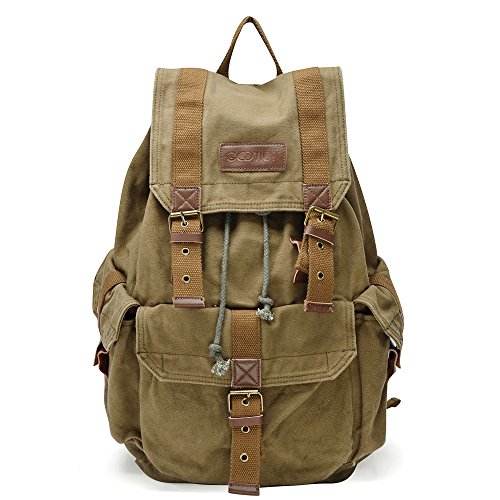
- ✓ Thick, durable canvas
- ✓ Plenty of storage space
- ✓ Stylish vintage look
- ✕ Heavy to carry
- ✕ Large for small frames
| Material | High-density canvas with metal fastenings |
| Dimensions | 13.5″ x 8″ x 17.7″ (Large), 12″ x 8″ x 15″ (Small) |
| Laptop Compatibility | Fits up to 17-inch laptops |
| Compartments and Pockets | Main compartment, 1 large front button-closure pocket, 1 internal zippered security pocket, 2 side button-closure pockets |
| Closure Type | Metal fastenings and button closures |
| Design Features | Garment washed for vintage look and soft hand feel |
As I reached into the main compartment of the GOOTIUM 21101AMG Canvas Backpack, I was surprised by how much fit in there without feeling bulky. The thick canvas material gives it a surprisingly soft hand feel after a gentle garment wash, yet it feels incredibly sturdy.
I didn’t expect such a vintage look to come with this level of durability.
The craftsmanship really stands out — clean stitching runs smoothly all around, reinforcing the overall quality. It’s clear this backpack is built to last, with metal fastenings that feel solid and reliable.
I appreciated how the large front pocket with a button closure kept my smaller items within easy reach, yet secure.
Carrying a 17-inch laptop was no problem thanks to the spacious interior. Plus, there are multiple pockets—an internal zippered one for valuables, two side pockets with button closures—that helped me stay organized.
The overall dimensions are generous, making it perfect for daily commutes or weekend trips.
What truly impressed me was the balance between vintage style and practicality. It looks great paired with casual and rugged outfits alike.
And even after a few days of heavy use, the canvas still feels soft and flexible without losing its shape.
On the downside, the heavyweight nature means it’s not the lightest option out there. Also, the large size might be a bit overwhelming for smaller frames or minimalist needs.
Still, if you want a backpack that’s as tough as it looks, this one hits the mark.
What Characteristics Make a Backpack “Heavyweight”?
Heavyweight backpacks are distinguished by several key characteristics that enhance their durability and capacity.
- Material Quality: Heavyweight backpacks are typically made from high-denier fabrics such as nylon or polyester, which offer superior resistance to wear and tear. This sturdy material prevents rips and abrasions, making it ideal for rugged outdoor use.
- Reinforced Stitching: The seams of heavyweight backpacks are often reinforced with double or triple stitching to withstand heavy loads. This construction technique ensures that the backpack maintains its integrity even under the stress of carrying bulky items.
- Load-Bearing Capacity: These backpacks are designed to carry substantial weight, often featuring a higher weight limit than standard models. This characteristic allows them to accommodate more gear, making them suitable for activities like hiking, camping, or travel.
- Comfort Features: Heavyweight backpacks typically include padded shoulder straps, adjustable hip belts, and back panels for ergonomic support. These features distribute weight evenly across the body, reducing fatigue and enhancing comfort during extended use.
- Multiple Compartments: A well-designed heavyweight backpack often includes multiple compartments and pockets for organization. This layout allows users to efficiently store and access their gear, making it ideal for outdoor adventures or travel.
- Weather Resistance: Many heavyweight backpacks come with water-resistant or waterproof coatings, ensuring protection for contents against rain and moisture. This characteristic is especially beneficial for outdoor enthusiasts who may encounter unpredictable weather conditions.
- Durable Hardware: The buckles, zippers, and clips used in heavyweight backpacks are often made from high-quality materials that resist breaking or malfunctioning. This durability ensures that the backpack remains functional and secure, even when carrying heavy loads.
What Should You Look for When Choosing a Heavyweight Backpack?
When choosing the best heavyweight backpack, several key factors should be considered to ensure durability, comfort, and functionality.
- Material: The material used in the construction of the backpack is crucial for its durability and weather resistance. Look for high-denier nylon or polyester fabrics, which are not only strong but also often treated to resist water and abrasion.
- Capacity: The capacity of the backpack, usually measured in liters, determines how much gear it can hold. Depending on your needs, you might want a pack that can accommodate everything from a weekend’s worth of supplies to a multi-day hiking trip.
- Comfort and Fit: A good heavyweight backpack should have adjustable straps and a padded back panel to provide comfort, especially during long hikes. Additionally, ensure it has a hip belt to distribute weight evenly and reduce strain on your shoulders.
- Compartments and Organization: The backpack should feature multiple compartments and pockets to help keep your gear organized. Look for specific areas for hydration systems, electronics, or smaller items, which can enhance accessibility and convenience.
- Weight Distribution: Properly designed heavy backpacks should have features that promote weight distribution, such as sternum straps and load-lifters, which help stabilize the load and keep it close to your center of gravity.
- Ventilation: A backpack with a good ventilation system, such as a mesh back panel, will help reduce sweat buildup on your back, providing a more comfortable experience on hot days. This feature is especially important for heavyweight backpacks that may be worn for extended periods.
- Durability and Warranty: Check for reinforced stitching and zippers, as well as a warranty that covers defects. A solid warranty can indicate the manufacturer’s confidence in the product’s durability, giving you peace of mind in your investment.
How Crucial is Durability in a Heavyweight Backpack?
Durability is a key factor when selecting the best heavyweight backpack, as it ensures the bag can withstand rigorous use and various environmental conditions.
- Material Quality: The material used in a heavyweight backpack significantly influences its durability. High-denier nylon or polyester fabrics are often utilized for their resistance to wear and tear, as well as their ability to repel water.
- Stitching and Construction: The stitching quality and overall construction techniques, such as reinforced seams and bar-tacked stress points, enhance the backpack’s strength. A well-constructed backpack can handle heavy loads without risking structural failure.
- Zippers and Hardware: The durability of zippers and other hardware components, like buckles and clips, is crucial. High-quality zippers made from robust materials reduce the risk of breakage, ensuring easy access to your gear without worry.
- Weight Capacity: A durable heavyweight backpack is designed to carry significant loads, often with specific weight capacity ratings. This feature ensures that the backpack can support the intended use, whether for hiking, camping, or travel, without compromising its integrity.
- Weather Resistance: Many heavyweight backpacks offer weather-resistant features, such as water-resistant coatings or rain covers. These enhancements protect your belongings from moisture and the elements, extending the backpack’s lifespan.
- Maintenance and Care: The ease of cleaning and maintaining a heavyweight backpack contributes to its durability. Fabrics that can be wiped down or washed without damage help maintain the bag’s appearance and functionality over time.
What Role Does Comfort Play in the Selection of a Heavyweight Backpack?
Adjustability is another critical aspect; being able to fine-tune the fit through adjustable straps means that users can achieve a snug and secure feel, which is vital when traversing uneven terrain. This not only improves comfort but also reduces the risk of injury caused by an ill-fitting pack.
Weight distribution is key to maintaining balance and control while walking or hiking. A well-designed backpack will have features that distribute the weight evenly across the hips and shoulders, enabling the user to carry heavier loads without significant discomfort or strain on specific body areas.
Ventilation is important for comfort, especially in warmer climates or during strenuous activities. A backpack that allows for airflow will help keep the user cool and dry, reducing the likelihood of chafing and discomfort caused by sweat buildup.
Load lifters play a vital role by allowing the user to adjust the angle of the backpack, bringing the weight closer to the back. This adjustment not only enhances comfort but also increases stability, making it easier to navigate trails or move quickly when needed.
What Are the Most Common Uses for Heavyweight Backpacks?
Heavyweight backpacks are versatile and robust, suitable for various activities and purposes.
- Camping: Heavyweight backpacks are ideal for camping trips as they can carry all necessary gear, including tents, sleeping bags, and cooking equipment. Their durable materials ensure protection against the elements, while ample space allows for organization of supplies.
- Hiking: For long hikes, these backpacks provide the necessary support and comfort needed for carrying heavy loads over extended periods. Features like padded straps, adjustable hip belts, and multiple compartments enhance convenience and accessibility on the trail.
- Travel: Heavyweight backpacks serve as excellent travel companions, especially for those who prefer to carry everything in one bag. They are spacious enough for clothing and personal items, and many models come with features like lockable zippers and padded laptop compartments for added security.
- School or Work: Students and professionals often use heavyweight backpacks to transport textbooks, laptops, and other essential materials. Their sturdy construction helps protect valuable items, while ergonomic designs reduce the strain on the back during daily commutes.
- Outdoor Sports: Activities such as climbing, skiing, or mountain biking benefit from heavyweight backpacks designed to hold specialized gear and equipment. These packs often come with additional attachment points and compartments specifically for tools, hydration systems, or safety gear.
Which Brands Are Renowned for Their Heavyweight Backpacks?
Some of the most renowned brands for heavyweight backpacks include:
- Osprey: Osprey is known for its durable and high-capacity backpacks that cater to serious hikers and outdoor enthusiasts. Their use of advanced materials and ergonomic designs ensures comfort even when carrying heavy loads over long distances.
- Deuter: Deuter backpacks are designed with a focus on stability and comfort, featuring a wide range of models suitable for various outdoor activities. Their attention to detail in weight distribution and ventilation makes them a popular choice for those who need to carry heavy gear.
- The North Face: The North Face offers a selection of heavyweight backpacks built to withstand rugged conditions while providing ample storage space. Their reputation for quality materials and innovative designs makes them a reliable option for adventurers and travelers alike.
- Gregory: Gregory backpacks are praised for their anatomical fit and supportive frames, making them ideal for carrying heavy loads on multi-day treks. Their dedication to comfort and functionality sets them apart in the heavyweight backpack market.
- Arc’teryx: Known for their premium quality and technical features, Arc’teryx backpacks are engineered for performance in extreme conditions. Their heavyweight models are crafted with weather-resistant materials, ensuring durability and protection for your gear.
- Kelty: Kelty offers a variety of affordable yet robust backpacks that are well-suited for camping and hiking. Their designs focus on practicality and comfort, making them a great choice for outdoor enthusiasts who need a reliable heavyweight backpack without breaking the bank.
How Can Customer Reviews Impact Your Decision on a Heavyweight Backpack?
Storage Capacity: Many reviews provide feedback on the actual storage capabilities versus advertised specs, indicating whether the backpack can truly meet your needs. Users often share their experiences with packing various items, helping others gauge if the backpack is suitable for their specific activities, whether hiking, travel, or daily use.
Customer Service Experience: Insights into the manufacturer’s customer service can affect your purchase decision, as good support can be crucial in case of issues. Customers frequently share their experiences with returns, warranties, and responsiveness, which can provide peace of mind when making a significant purchase like a heavyweight backpack.
Real-Life Usage Scenarios: Reviews from other customers often describe how the backpack performed in various situations, helping potential buyers understand its practical applications. Hearing from users who have tested the backpack in real-world conditions can provide valuable context on its functionality and reliability, which is especially important for those seeking a durable option.
What Price Ranges Should You Expect for High-Quality Heavyweight Backpacks?
The price ranges for high-quality heavyweight backpacks can vary significantly based on features, materials, and brand reputation.
- $50 – $100: This range typically includes entry-level heavyweight backpacks made from durable materials suitable for casual use and day trips.
- $100 – $200: Backpacks in this range usually offer better construction, additional features like hydration reservoirs, and are designed for more serious outdoor activities.
- $200 – $400: In this price bracket, you can expect premium materials, advanced ergonomic designs, and specialized features for long-distance hiking or backpacking.
- $400 and above: High-end heavyweight backpacks in this range are often designed for professional use, boasting cutting-edge technology, exceptional durability, and extensive customization options.
Backpacks priced between $50 and $100 are generally made from heavier fabrics that can withstand wear and tear, making them suitable for casual hikers or students who need reliable storage. These packs often feature basic organizational pockets and comfortable straps but may lack advanced features like weather resistance or specialized compartments.
The $100 to $200 range introduces more robust designs with enhanced comfort, such as padded hip belts and back panels, as well as added functionalities like water bottle holders and rain covers. These backpacks are ideal for weekend warriors who engage in moderate outdoor activities and need a reliable pack without breaking the bank.
For those willing to spend $200 to $400, backpacks often feature specialized designs for backpacking or trekking, including lightweight frames, multiple access points, and compartments specifically for gear organization. Users in this range typically prioritize comfort on long hikes and may benefit from features like adjustable suspension systems that cater to different body types.
Finally, backpacks priced at $400 and above are tailored for serious adventurers who require the best in durability and performance. These often include innovative materials that are both lightweight and weather-resistant, along with customizable options for carrying heavy loads efficiently, making them suitable for professional use or extended expeditions.
Related Post: