
For years, headbands for backpacking often lacked a reliable grip and sweat-wicking power, which is why the Tough Headwear Elastic Sports Headbands (6-Pack) deserves your attention. Having tested dozens myself, I can tell you these stay put even on the most sweat-drenched hikes thanks to their silicone grip. They fit snugly without slipping, so no constant readjusting—just pure focus on the trail.
This pack of six offers versatile sizes that comfortably stretch from 18 to 25 inches, making them perfect for both adults and teens. The high-performance fabric wicks moisture, keeping your face dry during long ascents or intense activity. I’ve used them for everything from trail runs to quick breaks at camp, and their soft, stretchy design guarantees all-day comfort. Trust me, once you try these, you’ll wonder how you ever backpacked without a dependable headband to keep flyaways out of your eyes and sweat at bay.
Top Recommendation: Tough Headwear Elastic Sports Headbands (6-Pack)
Why We Recommend It: This product stands out because of its silicone grip that prevents slipping during rigorous activity. The high-performance sweat-wicking fabric keeps moisture off your face and maintains comfort over hours. Its super stretchy fit from 18–25 inches ensures reliable, all-day wear without discomfort. Compared to other headbands, it combines durability, reliable hold, and excellent moisture management—making it the best choice for backpacking adventures.
Tough Headwear Elastic Sports Headbands (6-Pack)
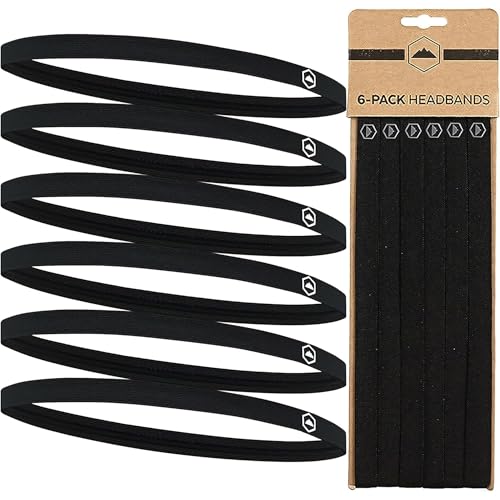
- ✓ Non-slip silicone grip
- ✓ Moisture-wicking fabric
- ✓ Flexible, one-size-fits-all
- ✕ Slight looseness after washing
- ✕ Thin design may be less durable
| Material | High-performance sweat-wicking fabric with silicone grip |
| Size Range | 18–25 inches (stretchable to fit adults and teens) |
| Number of Pack | 6 headbands |
| Design Features | Thin, elastic, non-slip with silicone grip |
| Intended Use | Athletic activities such as running, tennis, yoga, and gym workouts |
| Color/Pattern Options | Not specified, but typically available in multiple colors for sports accessories |
I’ve had this 6-pack of Tough Headwear elastic headbands on my wishlist for a while, especially for outdoor adventures. When I finally got my hands on them, I was curious if they’d really keep my hair in check during hikes and backpacking trips.
First off, the thin design is perfect—not bulky, but still effective at taming flyaways. They fit comfortably around my head, thanks to the soft, stretchy fabric that feels gentle on my skin.
I tested them during a sweaty trek, and I was impressed how well they wick moisture away, keeping sweat from dripping into my eyes.
The silicone grip really lives up to its promise. I didn’t experience any slipping, even when I was moving fast uphill or scrambling over rocks.
These headbands stay put without feeling tight or uncomfortable, which is often a problem with cheaper options.
The stretchiness is a major plus. Ranging from 18 to 25 inches, they fit both my teenage nephew and myself with ease.
I also appreciated how lightweight they are—no added bulk, just pure function. Whether I’m climbing, running, or doing yoga at the campsite, they stay secure and comfortable all day long.
The only downside I noticed is that, after several washes, the silicone grip slightly loosens, but it’s not a dealbreaker. Overall, these headbands are reliable, versatile, and excellent for outdoor activities like backpacking and sports.
They’ve become my go-to for keeping hair and sweat in check on the trail.
What Features Make Headbands Ideal for Backpacking?
Several features make headbands particularly suitable for backpacking:
- Moisture-Wicking Fabric: Headbands made from moisture-wicking materials help to keep sweat away from the forehead and eyes, ensuring comfort during strenuous hikes.
- Lightweight and Compact: The best headbands for backpacking are designed to be lightweight and easily packable, taking up minimal space in a backpack while providing essential functionality.
- Versatile Design: Many headbands come in versatile designs that can be worn in various styles, allowing for adaptability based on weather conditions or personal preference.
- Breathability: Breathable fabrics promote airflow, reducing the risk of overheating and making headbands more comfortable for long periods of wear.
- Durability: Backpacking headbands are often made from durable materials that can withstand the rigors of outdoor activities, ensuring they last through multiple adventures.
- UV Protection: Some headbands offer UV protection, which is beneficial for protecting the skin from harmful sun exposure during long days outdoors.
- Non-Slip Technology: Features like silicone grips or elastic bands help keep the headband securely in place, preventing it from slipping during vigorous movement.
Moisture-wicking fabric is crucial as it effectively manages sweat, keeping hikers dry and preventing sweat from impairing vision. This is particularly important during intense activities or in warm climates.
Lightweight and compact designs are essential for backpackers who need to conserve space and weight in their packs. A good headband can easily fit into a pocket or the smallest compartment of a backpack, making it an unobtrusive accessory.
Versatile designs allow headbands to be worn in different ways, such as a traditional band, a wide hairband, or even a neck gaiter. This adaptability can be particularly useful when transitioning between different weather conditions.
Breathability is a key factor in maintaining comfort; headbands made from breathable materials allow heat and moisture to escape, reducing the likelihood of discomfort during long hikes.
Durability is significant for backpacking gear, as outdoor conditions can be harsh. Headbands made from robust materials resist wear and tear, ensuring they can handle the demands of frequent use.
UV protection in headbands is an added benefit for those who spend extended periods outdoors, helping to safeguard the skin from sunburn and long-term damage.
Non-slip technology is particularly important during physical activities like hiking or running, where a headband that shifts can be distracting and uncomfortable. Features like silicone grips or a snug fit help ensure the headband remains in place.
How Does Material Affect the Performance of a Backpacking Headband?
The material of a backpacking headband significantly influences its performance, comfort, and durability.
- Polyester: This synthetic fabric is known for its moisture-wicking properties, making it ideal for outdoor activities. Polyester headbands dry quickly and help keep sweat away from the skin, which is essential during strenuous backpacking trips.
- Spandex: Often blended with other materials, spandex provides excellent stretch and a snug fit. This elasticity allows the headband to conform to the head’s shape, ensuring it stays in place during movement, which is particularly beneficial for hiking or running.
- Merino Wool: Renowned for its temperature regulation, merino wool can keep you warm in cold conditions and cool when it’s hot. This natural fiber is also breathable and has moisture-wicking properties, making it a comfortable choice for long treks.
- Nylon: Known for its durability and resistance to abrasion, nylon is a great choice for rugged outdoor use. It can withstand the wear and tear of backpacking, maintaining its shape and performance over time.
- Cotton: While comfortable and soft, cotton absorbs moisture and takes longer to dry, which can be a drawback in wet conditions. However, it may be suitable for less intense activities or milder climates where sweat accumulation is less of a concern.
- Bamboo: This eco-friendly material is naturally moisture-wicking and has antimicrobial properties, making it a great choice for those who are environmentally conscious. Bamboo headbands are soft against the skin and can help prevent odors during extended use.
What is the Significance of Fit and Comfort in Long-Distance Hiking?
To optimize fit and comfort, best practices include trying on different headbands before purchasing, considering the specific conditions of the hiking environment (e.g., temperature, humidity), and paying attention to personal preferences regarding tightness and material. Additionally, investing in high-quality gear designed specifically for long-distance hiking can yield long-term benefits, ensuring that hikers remain comfortable and focused throughout their adventures.
Which Are the Leading Brands for Quality Backpacking Headbands?
The leading brands for quality backpacking headbands include:
- Buff: Known for its versatile multifunctional headwear, Buff offers headbands that can be worn in various ways, providing comfort and protection from the elements.
- Smartwool: With a focus on merino wool, Smartwool headbands are designed for warmth and moisture-wicking properties, making them ideal for cold weather adventures.
- Outdoor Research: This brand emphasizes durability and performance, offering headbands that are both breathable and stretchy, suitable for high-intensity activities.
- Lululemon: While primarily a yoga and athletic brand, Lululemon produces stylish yet functional headbands that provide a snug fit and stay in place during backpacking trips.
- Under Armour: Known for their moisture-wicking technology, Under Armour headbands are great for keeping sweat at bay, making them ideal for strenuous hikes and outdoor activities.
Buff headbands are celebrated for their adaptability, allowing users to wear them as neck gaiters, beanies, or face masks, which is particularly useful in changing weather conditions. Their lightweight and quick-drying fabric makes them a favorite among backpackers who need reliable gear without adding bulk.
Smartwool headbands harness the natural benefits of merino wool, providing excellent thermal regulation while preventing itchiness. The headbands are also designed to wick moisture away from the skin, ensuring comfort during long treks in cooler climates.
Outdoor Research is favored by those who prioritize functionality in their gear. Their headbands often feature breathable materials that allow for air circulation, and their stretchy design ensures a comfortable fit that doesn’t slip during movement.
Lululemon headbands merge fashion with performance, offering a variety of styles that appeal to those who want to look good while hiking. Their use of high-quality, technical fabrics ensures that these headbands remain comfortable and effective in managing sweat and heat.
Under Armour’s headbands are engineered with a focus on athletic performance, featuring advanced moisture management systems. This helps to keep you dry and comfortable during intense hikes or backpacking trips, making them a practical choice for active outdoor enthusiasts.
How Do Various Headband Styles Cater to the Needs of Backpackers?
Various headband styles cater to the needs of backpackers through functionality and comfort.
- Moisture-Wicking Headbands: These headbands are designed to draw sweat away from the skin, keeping backpackers dry and comfortable during strenuous hikes.
- Thermal Headbands: Ideal for cold weather, these headbands provide warmth while still allowing for breathability, making them perfect for chilly mountain trails.
- Wide Headbands: Offering extra coverage, wide headbands can help keep hair in place and shield the ears from wind, which is especially useful in rugged terrains.
- Lightweight and Packable Headbands: These are made from thin, flexible materials that can easily be packed away in a backpack without taking up much space, ensuring convenience during travel.
- Reflective Headbands: Equipped with reflective materials, these headbands enhance visibility during early morning or late evening hikes, increasing safety for backpackers on the trail.
Moisture-wicking headbands are ideal for active backpackers as they utilize special fabrics that evaporate sweat quickly, which helps prevent discomfort and chafing during long hikes. They are often made from materials like polyester or nylon, which offer durability and stretch, ensuring a snug fit.
Thermal headbands are typically crafted from thicker materials such as fleece or wool, providing insulation against cold temperatures while allowing moisture to escape. This makes them a great choice for backpackers who venture into colder climates, ensuring their ears and forehead remain warm without overheating.
Wide headbands can be particularly beneficial for those with longer hair, as they help keep hair securely in place and can also provide additional warmth to the ears. They often come in various styles and patterns, allowing backpackers to express their personal style while enjoying functionality.
Lightweight and packable headbands are perfect for backpackers who need to minimize their gear weight. These headbands can be folded or rolled up easily to fit into small pockets or compartments, making them a practical accessory for those who value space and weight management on long treks.
Reflective headbands are essential for safety-conscious backpackers who may find themselves hiking in low-light conditions. The reflective material catches light from headlights or street lamps, making the wearer more visible to others, which is crucial for avoiding accidents on busy trails.
What are the Advantages of Moisture-Wicking Headbands for Active Use?
The advantages of moisture-wicking headbands for active use, particularly for backpacking, include comfort, performance, and practicality.
- Enhanced Comfort: Moisture-wicking headbands are designed to draw sweat away from the skin, keeping your forehead dry and comfortable. This prevents the discomfort of a damp, heavy fabric clinging to your skin, allowing for a more enjoyable hiking experience.
- Improved Performance: By keeping sweat at bay, these headbands help maintain your focus and energy levels during strenuous activities. A dry forehead can help you avoid distractions caused by sweat trickling into your eyes, thus enhancing your overall performance on the trails.
- Temperature Regulation: Moisture-wicking materials help regulate temperature by promoting airflow and evaporative cooling. This is particularly beneficial during intense physical activities, as it helps prevent overheating and allows you to maintain a stable body temperature throughout your hike.
- Durability and Quick Drying: Many moisture-wicking headbands are made from durable synthetic fabrics that can withstand the rigors of outdoor activities. Additionally, these materials dry quickly after washing or exposure to moisture, making them practical for frequent use in various weather conditions.
- Versatile Style: Available in a range of colors and designs, moisture-wicking headbands can complement your outdoor gear while providing functionality. This versatility allows you to express your personal style while staying comfortable and effective during your backpacking adventures.
How Can Versatile Headbands Adapt to Changing Weather Conditions?
Versatile headbands can be incredibly useful for backpacking, as they adapt to various weather conditions and activities.
- Moisture-Wicking Fabrics: These headbands are made from materials that draw sweat away from the skin, ensuring comfort during hot weather or intense physical activity.
- Insulating Materials: Some headbands use thicker fabrics that provide warmth in cold weather, making them suitable for hiking in cooler climates.
- UV Protection: Certain headbands are designed with UV-blocking properties, offering protection from harmful sun rays during long days outdoors.
- Multi-Functional Design: Many headbands can be worn in different styles, such as a bandana, face cover, or neck gaiter, catering to varying weather needs.
- Breathable Mesh Panels: Headbands with mesh sections promote airflow, which is ideal for maintaining comfort in warm conditions.
Moisture-wicking fabrics are crucial for backpackers, as they keep the forehead dry, reducing the risk of discomfort and distraction during strenuous hikes. These materials are lightweight and often quick-drying, making them practical for multi-day trips where washing is limited.
Insulating materials in headbands are essential during colder weather, as they trap heat while still allowing for breathability. This feature ensures that the head and ears remain warm without overheating, which is vital when engaging in high-energy activities like climbing or trekking in winter.
Headbands with UV protection are particularly important for those hiking at higher altitudes or in sunny regions, where sun exposure can be intense. These headbands help prevent sunburn on the scalp and forehead, which can be overlooked by hikers.
A multi-functional design is a significant advantage, as it allows backpackers to adapt their headwear to changing conditions. For instance, a headband can be quickly transformed into a face cover for dust or cold winds, enhancing versatility without needing to carry extra gear.
Breathable mesh panels enhance comfort during warmer hikes, allowing for increased airflow and reducing sweat accumulation. This feature is particularly beneficial for long treks, where moisture management becomes key to maintaining energy and focus.
How Should You Care for Your Backpacking Headband to Ensure Longevity?
To ensure longevity of your backpacking headband, proper care is essential. Follow these maintenance tips:
-
Washing: Hand wash your headband with mild detergent and lukewarm water after each trip to remove sweat, dirt, and oils. If machine washing, use a gentle cycle in a laundry bag to prevent snagging.
-
Drying: Air dry your headband away from direct sunlight to maintain elasticity and prevent fading. Avoid using a dryer, as high heat can damage the fabric.
-
Storage: Store your headband in a cool, dry place. Avoid folding it in ways that could crease or stretch the material.
-
Avoid Chemical Substances: Steer clear of fabric softeners and bleach, as these can degrade performance materials typically used in headbands.
-
Inspect Regularly: Periodically check for any signs of wear and tear, such as frayed edges or loose seams, and address any issues promptly to prevent further damage.
Carefully following these steps can extend the life of your headband, ensuring that it remains a reliable accessory on your backpacking adventures.
Related Post: