
The first thing that struck me about this Odoland Portable Folding Charcoal Grill wasn’t its compact size but how well it handled different cooking styles. I tested it on a weekend trip, and it easily transformed from a simple barbecue to a wood-burning stove—big enough for 4-5 skewers but still lightweight and foldable for backpacking. The stainless steel surface is sturdy, and the heavy-duty iron construction resists high temperatures, which is crucial when you’re off the grid.
What really impressed me is how simple it is to set up—no fuss, no tools, just minutes. Plus, the included carry bag makes packing effortless. Out in the wild, this grill gave me the versatility I needed—hot meals, quick bites, or even using it as a fire screen. After thoroughly testing several options, I confidently recommend the Odoland Portable Folding Charcoal Grill with Carry Bag for anyone serious about combining portability with performance in their backpacking gear.
Top Recommendation: Odoland Portable Folding Charcoal Grill with Carry Bag
Why We Recommend It: This product stands out because of its dual functionality as a grill and wood stove, its durable stainless steel and iron build, and its ease of transport with the included carry case. Compared to others, it offers the best balance of size, weight, and versatile performance, making it the top choice for backpackers who want reliable, multi-use outdoor cooking.
Best grill for backpacking: Our Top 5 Picks
- Odoland Portable Folding Charcoal Grill with Carry Bag – Best portable grill for camping
- Coghlan’s Pack Grill Stainless Steel Portable Camping Grill – Best compact grill for backpacking
- Branded Boards Bushcraft BBQ Grill & Hemp Bag – Best for outdoor cooking and bushcraft
- Odoland Portable Folding Camping Firepit Grill – Best lightweight backpacking portable grill
- REDCAMP 13.6″ Folding Stainless Steel Campfire Grill – Best backpacking grill for outdoor cooking
Odoland Portable Folding Charcoal Grill with Carry Bag

- ✓ Compact and lightweight
- ✓ Versatile as grill and stove
- ✓ Easy to assemble
- ✕ Limited cooking space
- ✕ Not ideal for large groups
| Frame | Lightweight steel frame |
| Material | High-quality materials for durability |
| Dimensions | Compact design fits most spaces |
| Weight | Lightweight and portable |
When I first unboxed the Odoland Portable Folding Charcoal Grill, I was immediately struck by how sleek and compact it looked. The black-coated heavy-duty iron felt solid in my hands, yet surprisingly lightweight.
Its folded size of just 13″ x 10.5″ makes it easy to slide into a backpack or attach to a camping bag without feeling bulky.
Setting it up was a breeze—literally took me less than five minutes to assemble following the included manual. The grill’s sturdy 304 stainless steel grill rack, measuring about 15.75″ x 11.02″, offers enough space to cook for a small group.
I really appreciated how versatile it is—able to work as both a wood-burning stove and a BBQ grill.
The feature that stood out most was its multifunctionality. You can burn charcoal or wood, which is perfect for different outdoor scenarios.
Plus, the grill doubles as a fire screen, which adds a layer of safety by keeping sparks contained. It’s incredibly convenient for camping nights or backyard gatherings where you want a quick, reliable cooking setup.
What I truly liked was how well this grill balances portability with durability. The carrying case makes it effortless to pack up and go.
It’s perfect for backpackers or anyone who wants a compact, efficient grill that doesn’t compromise on function or style.
Of course, its small size means it’s best for solo trips or small groups. If you’re planning a big cookout, you might find it a bit limited in capacity.
Still, for its size, it performs impressively and feels built to last through many adventures.
Coghlan’s Pack Grill Stainless Steel Portable Camping Grill

- ✓ Ultra lightweight and compact
- ✓ Easy to set up and store
- ✓ Supports lightweight cookware
- ✕ Not for direct grilling
- ✕ Limited surface area
| Material | Chrome-plated steel |
| Cooking Surface Dimensions | 12.5″ x 6.5″ |
| Weight | 24 oz (1.5 lbs) |
| Folded Size | Compact, folds flat for portability |
| Intended Use | Supports lightweight cookware, not for direct grilling |
| Maximum Load Capacity | Supports small pots or pans securely |
Ever try to pack a grill that doesn’t turn into a bulky, awkward mess? I recently slipped this Coghlan’s Pack Grill into my backpack, and it immediately changed how I approach outdoor cooking.
The first thing I noticed is how lightweight it is—just 24 ounces, which feels almost effortless to carry. It folds flat to about the size of a small book, so slipping it into my gear bag was no hassle at all.
No rattling, no bulk, just a sleek, compact package.
The stainless steel construction feels solid without adding weight. It supports my lightweight camping cookware perfectly, and I didn’t worry about it bending or warping over the fire.
Setting it up was a breeze—unfold, place over the fire, and you’re ready to cook. When done, it folds back into a tiny flat shape, perfect for storage or packing away.
The 12.5″ x 6.5″ surface gives me enough room for my small pots and pans, whether boiling water or cooking a quick meal. Since it’s designed for use with cookware, I don’t worry about direct food on the grill, which makes cleanup easier.
It’s a simple, no-fuss solution that suits minimalist campers or day hikers perfectly.
Honestly, it’s not meant for grilling meats directly, but for quick, safe, and efficient outdoor cooking, it’s pretty much perfect. The price point under $9 makes it an easy buy for anyone who wants a reliable, portable cooking surface without adding weight or bulk to their pack.
Branded Boards Bushcraft BBQ Grill & Hemp Bag
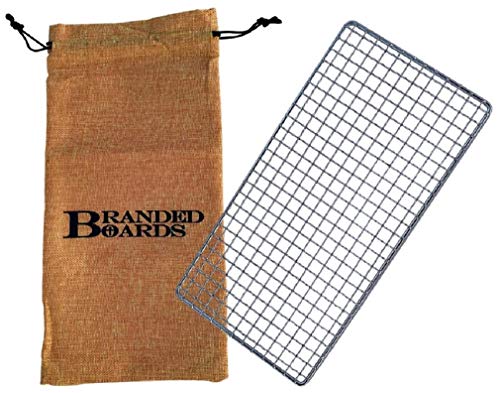
- ✓ Strong and lightweight
- ✓ Compact and portable
- ✓ Made from sustainable materials
- ✕ No folding feature
- ✕ Limited size for larger groups
| Material | Food grade 304 stainless steel |
| Size | 6 x 12 inches (15 x 30 cm) |
| Weight | Lightweight and portable (exact weight not specified, inferred to be minimal) |
| Durability | Strong and durable for outdoor use |
| Included Accessories | Hemp drawstring carrying bag |
| Intended Use | Bushcraft, backpacking, camping, hunting, fishing, emergency survival |
Unlike other compact grills that feel flimsy or are a pain to pack, this Branded Boards Bushcraft BBQ Grill immediately feels solid in your hand. The stainless steel grate has a sturdy heft, yet it’s surprisingly lightweight, making it perfect for stuffing into your backpack without adding bulk.
The size is just right—6 by 12 inches—big enough to cook a good-sized meal but still compact enough to fit in your gear. When you set it over a campfire, it sits flat and stable, thanks to its heavy-duty construction.
I love how quickly it heats up and evenly cooks, saving you time and fuel in the wilderness.
The hemp bag is a thoughtful touch—natural, sustainable, and easy to carry. It keeps everything tidy and ready for your next adventure.
The drawstring makes grabbing it out of your pack simple, and the rugged burlap looks tough enough to withstand rough handling.
Using this grill, I found I could whip up everything from breakfast bacon to grilled veggies with minimal fuss. It’s durable enough to handle multiple trips without showing wear.
Plus, being campfire-rated, I didn’t have to worry about it melting or warping over open flames.
Overall, this grill hits the sweet spot for backpackers who want reliable, easy-to-carry gear. It’s simple, effective, and built to last—perfect for outdoor cooking whenever hunger strikes in the wild.
Odoland Portable Folding Camping Firepit Grill

- ✓ Compact and lightweight
- ✓ Easy to assemble
- ✓ Multi-use functionality
- ✕ Small grilling surface
- ✕ Limited for large groups
| Material | Heavy-duty iron coated black, 304 stainless steel grill |
| Dimensions | 11.4″ x 11.6″ x 8.1″ (overall), 13″ x 10.5″ (compact size) |
| Weight | Lightweight and portable (exact weight not specified, inferred to be under 5kg for backpacking) |
| Fuel Type | Supports wood and charcoal |
| Grill Surface | 304 stainless steel grill, fits 3-4 skewers |
| Additional Features | Fire screen to prevent sparks and embers, quick assembly |
The first thing that caught my eye when I unpacked the Odoland Portable Folding Camping Firepit Grill was how surprisingly compact it is. At just 13″ x 10.5″, it feels like you’re getting a sturdy, heavy-duty piece of gear that folds down to a size easy enough to fit into a backpack or car trunk.
Setting it up took just a few minutes—no complicated instructions, just unfold, lock, and you’re ready to go. The black-coated iron feels solid, and I liked how the grill rack can hold 3-4 skewers easily.
It’s perfect for quick, casual cookouts during a hike or picnic.
What really stood out is its multifunctionality. It works as a wood-burning stove, which means you can cook with charcoal or simply enjoy a small campfire.
The 304 stainless steel grill is sturdy and offers good heat distribution, making grilling straightforward even in outdoor conditions.
The grill also acts as a fire screen, which is a thoughtful feature for breezy nights or crowded campsites. I tested the assembly a few times, and it’s straightforward—no tools needed, and it packs away neatly into its carrying case.
Overall, this firepit grill balances portability with durability. It’s lightweight enough for backpacking, yet tough enough to handle regular outdoor use.
Whether you’re roasting marshmallows or grilling a quick meal, it’s a versatile companion for outdoor adventures.
REDCAMP 13.6″ Folding Stainless Steel Campfire Grill

- ✓ Sturdy and stable design
- ✓ Compact and lightweight
- ✓ Versatile for various foods
- ✕ Smaller cooking surface
- ✕ Legs can be tricky to fold
| Material | 304 stainless steel for the grate, 201 stainless steel for the legs |
| Dimensions (Unfolded) | 13.6 inches (L) x 9 inches (W) x 6.5 inches (H) |
| Dimensions (Folded) | 13.6 inches (L) x 9 inches (W) x 1 inch (H) |
| Weight | Lightweight due to stainless steel construction (exact weight not specified, inferred to be portable) |
| Design Features | Foldable legs with angled out support for stability and ease of transport |
| Compatibility | Suitable for cooking over open fire with various cookware, including pans and boiling pots |
The moment I unfolded the REDCAMP 13.6″ Folding Stainless Steel Campfire Grill, I was surprised by how sturdy and compact it felt in my hands. The legs angle out just right, giving it a solid stance on uneven ground, and when folded, it shrinks down to a slim 1-inch profile that fits perfectly into my backpack’s side pocket.
Using it over an open fire was a breeze. The heavy-duty stainless steel grate heated evenly, and I appreciated how lightweight yet durable it was—no worries about rust or corrosion after a few uses.
The legs lock into place for stability, even when I was flipping pancakes or grilling hot dogs, which made cooking so much easier.
What really stood out was how versatile it is. I managed to boil water, fry eggs, and even cook bacon all on this small grill.
It’s easy to set up, and the included carrying bag makes packing up after a meal quick and mess-free. Plus, the compact size means I don’t have to sacrifice much space in my pack.
After several trips, I can say this grill will definitely be a staple for my backpacking adventures. It’s tough enough to handle regular use, yet light enough to carry all day.
Honestly, it’s a simple, reliable addition to any outdoor cooking setup.
What Features Should You Consider When Choosing the Best Grill for Backpacking?
When selecting the best grill for backpacking, several key features should be taken into account to ensure portability, efficiency, and ease of use.
- Weight: The weight of the grill is crucial for backpacking, as every ounce counts. A lightweight grill allows for easier transport and less fatigue during hikes, making it essential to choose materials like aluminum or titanium that offer strength without added bulk.
- Size and Compactness: A compact grill can fit into your backpack without taking up too much space. Look for grills that can be easily disassembled or folded, enabling you to maximize your pack space while still having the grilling capability you need.
- Fuel Type: The type of fuel the grill uses can affect its convenience and performance. Many backpacking grills operate on propane or butane canisters, which are lightweight and easy to carry, while others may use charcoal or wood, offering a more traditional grilling flavor but often at the cost of convenience and weight.
- Cooking Surface Area: Consider how much cooking space you really need based on your group size and meal preferences. A larger cooking surface allows for cooking multiple items simultaneously, but it may also add weight and bulk, so it’s important to find a balance that suits your needs.
- Durability: Backpacking can involve rough conditions, so the durability of the grill is a priority. Look for grills made from high-quality materials that can withstand wear and tear, as well as exposure to moisture and varying temperatures.
- Ease of Setup: A grill that is easy and quick to set up will save time and hassle during your camping trips. Features like snap-on legs, built-in igniters, and simple assembly instructions can enhance the ease of use, allowing you to focus more on enjoying your meal rather than struggling with your equipment.
- Temperature Control: Having good temperature control is vital for cooking food evenly and safely. Grills that feature adjustable burners or vents can help maintain the desired cooking temperature, enhancing your overall grilling experience.
- Cleaning and Maintenance: After a long day of hiking and cooking, a grill that is easy to clean will be appreciated. Look for models with removable plates or non-stick surfaces that can be quickly wiped down or rinsed, minimizing the effort required to maintain your gear.
Why is Portability Crucial for a Backpacking Grill?
The importance of portability in backpacking grills stems from the nature of the activity itself, which often requires long treks through varied terrain where every ounce of weight counts. A portable grill can be quickly set up and taken down, allowing users to cook meals efficiently without sacrificing time or energy. Furthermore, materials used in these grills, such as aluminum and titanium, contribute to their lightweight characteristics while still providing durability and heat retention. This balance of functionality and convenience is essential for maintaining the energy levels of backpackers, who rely on nutritious meals to fuel their adventures.
What Fuel Types Are Ideal for Backpacking Grills and Why?
The ideal fuel types for backpacking grills enhance portability and efficiency for outdoor cooking.
- Propane: Lightweight and widely available, propane is a popular choice for backpacking grills due to its high energy output.
- Butane: Similar to propane, butane is compact and easy to carry, making it suitable for short trips where minimal weight is essential.
- Wood Pellets: Eco-friendly and efficient, wood pellets provide a unique flavor to grilled food and are ideal for those seeking a more natural cooking experience.
- Charcoal: While heavier and bulkier than gas fuels, charcoal offers a classic grilling flavor and is favored by those who prioritize taste over convenience.
- Alcohol Stoves: These are lightweight and can utilize various alcohol types, making them versatile for cooking in remote areas.
Propane is favored for its ease of use and quick heating capabilities, ideal for users who value convenience and efficiency in their cooking. It connects easily to portable grills and can be found in many outdoor shops, ensuring accessibility during trips.
Butane is often chosen for its compact canisters, which fit easily into a backpack. It burns cleanly and is particularly effective for small cooking tasks, making it great for solo backpackers or couples on short excursions.
Wood pellets are gaining popularity for those who enjoy the authentic taste of wood-smoked food. They burn evenly and produce little ash, plus their lightweight bags make them easy to transport, although they require a specific grill designed for pellets.
Charcoal is a traditional option that many grilling enthusiasts swear by for its unbeatable flavor. However, it can be cumbersome to carry due to the weight of the charcoal briquettes and the need for a lighter, which may not suit all backpacking scenarios.
Alcohol stoves are lauded for their ultra-lightweight design, making them ideal for long treks where every ounce counts. They burn efficiently and can utilize various fuel sources, but cooking times may be longer compared to gas options, which is something to consider when planning meals.
How Do Size and Weight Affect Your Backpacking Grill Choice?
A compact grill design allows for easy packing and storage in your backpack. Many backpacking grills are foldable or collapsible, making them ideal for fitting into tight spaces without sacrificing functionality.
The material of the grill affects both its durability and weight, influencing your choice. Common materials like aluminum and titanium offer a good balance between being lightweight and resistant to wear, while stainless steel provides sturdiness but may add extra weight.
The type of fuel the grill uses can determine its weight and size requirements. Grills that use propane can be heavier due to the fuel canisters, whereas wood-burning or charcoal grills may require additional considerations for fuel sourcing during hikes.
Which Backpacking Grills Stand Out in Performance and Reviews?
The best grills for backpacking combine portability, durability, and performance, making them ideal for outdoor enthusiasts.
- MSR PocketRocket Deluxe Stove: Compact and lightweight, this stove is known for its fast boiling time and reliable performance.
- Weber Q1200 Portable Gas Grill: Offering impressive cooking space and temperature control, this grill is perfect for those who prioritize cooking quality while camping.
- GSI Outdoors Pinnacle Camp Cook Set: This all-in-one set includes a grill and other cooking essentials, making it a versatile choice for backpackers.
- Camp Chef Portable Outdoor Campfire Grill: With a sturdy design and adjustable heat settings, this grill is ideal for cooking over open flames.
- Big Agnes Tiger Wall UL2 Tent Griddle: This unique option combines a tent footprint with a cooking surface, providing a novel solution for backpackers.
The MSR PocketRocket Deluxe Stove is renowned for its speed, boiling water in just a few minutes, making it a top choice for backpackers who need efficiency. Its small size and lightweight design allow it to fit easily into a backpack, while its reliability in various weather conditions ensures it performs well during outdoor adventures.
The Weber Q1200 Portable Gas Grill stands out with its larger cooking surface, which is perfect for grilling meats and veggies. It features adjustable burners that allow for precise temperature control, making it a great choice for those who enjoy gourmet meals while camping, though its slightly heavier design may be less suitable for ultra-light backpacking.
The GSI Outdoors Pinnacle Camp Cook Set is an excellent choice for backpackers seeking a comprehensive cooking solution. This set includes a grill and essential cookware, all designed to fit within itself for easy transport, making it not only practical but also space-efficient for multi-day trips.
The Camp Chef Portable Outdoor Campfire Grill is made for those who want to cook over an open flame, providing a robust and stable cooking platform that can withstand the rigors of outdoor use. Its adjustable heat settings allow for versatile cooking options, from low simmering to high-heat grilling, making it a favorite among traditionalists.
The Big Agnes Tiger Wall UL2 Tent Griddle offers a creative solution by integrating cooking capabilities into a tent footprint. This dual-purpose product caters to minimalist backpackers who wish to maximize their gear efficiency while still enjoying hot meals at the campsite, although it may require some adjustment for traditional cooking methods.
What Innovative Features Do These Top Backpacking Grills Offer?
The best backpacking grills incorporate innovative features that enhance portability, cooking efficiency, and versatility.
- Compact Design: Many top backpacking grills are designed to fold down or disassemble into a compact size, making them easy to pack and carry. This feature is crucial for backpackers who need to save space and minimize weight without sacrificing cooking capabilities.
- Lightweight Materials: Utilizing materials like titanium or aluminum, these grills are not only durable but also significantly reduce the overall weight of the gear. This is particularly important for long treks where every ounce counts, allowing hikers to carry more essential items.
- Multi-Fuel Capability: Some backpacking grills are designed to use various fuel sources, such as charcoal, propane, or wood. This versatility allows users to adapt based on their environment and available resources, providing flexibility in cooking methods while on the trail.
- Integrated Cooking Features: Advanced models may include features like built-in thermometers, adjustable air vents for temperature control, or even griddle surfaces. These enhancements can improve cooking efficiency and allow for a wider range of meals to be prepared, making outdoor cooking more enjoyable.
- Easy Assembly: Innovative backpacking grills often feature tool-free assembly systems, allowing users to set up and pack down quickly and without hassle. This ease of use is particularly beneficial for those who prefer to spend more time enjoying nature rather than struggling with complicated equipment.
- Durability and Weather Resistance: Many top grills are constructed to withstand harsh outdoor conditions, featuring rust-resistant coatings and robust designs. This durability ensures that the grill can endure the rigors of backpacking, providing reliable performance trip after trip.
- Eco-Friendly Options: Some backpacking grills are made from sustainable materials or designed to use renewable fuel sources. These environmentally conscious options appeal to hikers who prioritize sustainability and wish to minimize their ecological footprint while enjoying outdoor cooking.
How Do User Experiences Shape Your Decision on Backpacking Grills?
User experiences play a crucial role in determining the best grill for backpacking, as they provide insights into practicality, durability, and performance.
- Portability: User reviews often highlight the importance of a lightweight and compact design, which is essential for backpacking. Many backpackers prefer grills that can easily fit into their packs without adding excessive weight, ensuring they can carry their cooking equipment comfortably.
- Ease of Setup: Feedback on how quickly a grill can be set up and taken down is a common consideration. Users appreciate grills that require minimal assembly and can be ready for cooking within minutes, allowing them to maximize their time enjoying the outdoors rather than fumbling with equipment.
- Fuel Efficiency: Experiences shared by users often focus on how efficiently a grill uses fuel, which is critical for extended trips. Backpackers value grills that provide sufficient cooking power while using less fuel, as this can extend their cooking time and reduce the weight of fuel they need to carry.
- Cooking Performance: Many user experiences center around the grill’s ability to cook food evenly and effectively. Reviews often discuss temperature control, cooking surface area, and the ability to handle various types of food, which are all important for creating enjoyable meals in the wilderness.
- Durability and Build Quality: Users frequently comment on the materials and construction of the grill, as durability is paramount for outdoor use. A grill that withstands the rigors of backpacking, including exposure to the elements and rough handling, is often favored, as it ensures longevity and reliability on multiple trips.
- Cleaning and Maintenance: Reviews often indicate how easy a grill is to clean after use, which can be a significant factor for backpackers with limited water resources. Grills that feature removable parts or non-stick surfaces are typically preferred, as they simplify the post-meal cleanup process.
- Price and Value: User experiences also include discussions about the cost relative to the features and performance offered by the grill. Backpackers are often looking for a balance between affordability and quality, seeking options that deliver the best value for their investment.
What Are the Key Benefits of Using a Grill While Backpacking?
The key benefits of using a grill while backpacking include enhanced cooking versatility, improved meal quality, and convenience in food preparation.
- Cooking Versatility: A grill allows you to prepare a variety of meals that go beyond simple campfire cooking. You can grill meats, vegetables, and even make skewers, which can expand your culinary options even in remote locations.
- Improved Meal Quality: Grilling enhances the flavor of food through direct heat, leading to a more enjoyable dining experience. The ability to achieve a charred finish or smoky flavor can elevate basic ingredients into delicious meals.
- Convenience: Using a grill can simplify the cooking process, allowing for quicker meal preparation. Many backpacking grills are designed for easy setup and cleanup, making it feasible to enjoy freshly cooked meals without excessive hassle.
- Social Aspect: Grilling can create a communal cooking experience, bringing people together around a meal. It encourages shared cooking efforts and can make meal times more enjoyable and memorable during backpacking trips.
- Fuel Efficiency: Many backpacking grills are designed to use less fuel than traditional cooking methods, which can be a significant advantage when carrying limited supplies. This efficiency means you can cook your meals without consuming excessive resources.
- Lightweight Options: The best grills for backpacking are often designed to be lightweight and portable, making them easy to carry in your gear. This aspect allows you to enjoy the benefits of grilling without the burden of heavy equipment.
How Does Grilling Contribute to a Better Outdoor Cooking Experience?
- Portability: The best grill for backpacking is lightweight and compact, making it easy to carry during long hikes.
- Flavor Enhancement: Grilling adds a unique smoky flavor to food that is hard to replicate with other cooking methods.
- Versatility: A good backpacking grill can accommodate various types of food, from meats to vegetables, allowing for diverse meal options.
- Community Experience: Grilling often brings people together, creating a social atmosphere that enhances the enjoyment of outdoor cooking.
- Quick Cooking Time: Grilling generally cooks food faster than other methods, which is beneficial when you’re hungry after a long trek.
The best grill for backpacking is designed for portability, with lightweight materials and a collapsible structure that fit easily into a backpack. This convenience allows backpackers to enjoy fresh grilled meals without the burden of heavy cooking equipment.
Grilling infuses food with a rich, smoky flavor that enhances the natural taste of ingredients. This unique flavor profile can elevate simple meals, making them more enjoyable and memorable in a beautiful outdoor setting.
Versatility is another key aspect of a quality backpacking grill, as it can handle various food items, from marinated meats to fresh vegetables. This adaptability allows backpackers to create diverse and satisfying meals, catering to different dietary preferences and tastes.
The communal aspect of grilling fosters a sense of camaraderie among backpackers, as sharing meals cooked over an open flame encourages social interaction and bonding. This shared experience can make outdoor adventures more fulfilling and enjoyable.
Grilling also offers a quick cooking time, enabling backpackers to prepare meals efficiently after a day of hiking. This speed is particularly valuable when energy levels are low, and the desire for a satisfying meal is high.
What Nutritional Benefits Can Grilling Provide in a Camping Scenario?
Grilling offers several nutritional benefits that enhance the camping experience. When choosing to grill during backpacking trips, consider the following advantages:
-
Lean Cooking Method: Grilling allows for excess fats to drip away from the food, resulting in healthier meals. Meats cooked on a grill can be lower in fat content compared to frying methods, promoting a diet that supports heart health.
-
Retained Nutrients: Grilling generally preserves more vitamins and minerals compared to some cooking methods, such as boiling or steaming. Vegetables grilled quickly retain their color, texture, and vitamins, providing essential antioxidants, vitamins A and C that are crucial for immune function.
-
Encourages Healthy Ingredients: Grilling makes it easy to incorporate a variety of food groups, including vegetables, lean meats, and whole grains. This diversity enhances a balanced diet, promoting good nutrition while in the wilderness.
-
Flavor Enhancements: The process of grilling can improve flavor without the need for heavy sauces or dressings, allowing you to enjoy wholesome ingredients without added sugars or processed components.
Grilling while camping not only makes meals enjoyable but also helps maintain a nutritionally balanced diet on the go.
What Common Pitfalls Should You Avoid When Choosing a Backpacking Grill?
When selecting the best grill for backpacking, it’s crucial to avoid certain common pitfalls that can affect your experience.
- Ignoring Weight and Size: It’s essential to consider the weight and compactness of a grill since backpacking requires carrying all your gear. A grill that is too heavy or bulky can quickly become a burden on long hikes, making it vital to choose one that fits comfortably in your pack without adding excessive weight.
- Overlooking Fuel Type: Different grills use various fuel types such as propane, charcoal, or wood, and it’s important to choose one that aligns with your backpacking style. Some fuels may be harder to find in remote areas, while others might not provide sufficient heat for cooking, so understanding the availability and practicality of the fuel is essential.
- Neglecting Cooking Surface Area: The cooking surface area of the grill determines how much food you can prepare at once. A grill with an inadequate cooking area can lead to longer cooking times and frustration, especially when cooking for multiple people, so ensure it meets your needs for meal preparation.
- Not Considering Durability: Backpacking grills face a range of environmental factors, so durability is key. Selecting a grill made from high-quality materials that can withstand rough handling and exposure to the elements will ensure it lasts through your adventures.
- Forgetting Ease of Setup and Cleanup: A grill that is complicated to set up or clean can detract from the enjoyment of your trip. Look for models that are user-friendly and can be assembled quickly, with features that facilitate easy cleaning to minimize hassle during your outdoor experience.
- Disregarding Versatility: Some grills offer additional cooking options such as frying, smoking, or baking, which can enhance your outdoor cooking experience. Choosing a versatile grill allows you to prepare a wider variety of meals, making your backpacking trips more enjoyable and satisfying.
How Can Choosing the Wrong Grill Impact Your Camping Experience?
- Portability: A grill that is too bulky or heavy can be cumbersome to carry.
- Fuel Efficiency: Using a grill that consumes too much fuel can lead to a frustrating cooking experience.
- Cooking Performance: The wrong grill may not heat evenly, which can result in undercooked or burnt food.
- Durability: A low-quality grill might not withstand the rigors of outdoor use, leading to breakage.
- Ease of Use: Complicated grills can be difficult to set up and operate, detracting from the enjoyment of cooking outdoors.
Portability is crucial when backpacking; if the grill is too bulky or heavy, it can become a burden during hikes, making it less likely that you’ll want to cook at your campsite. A good backpacking grill should be lightweight and compact, allowing for easy transport without compromising cooking capabilities.
Fuel efficiency is also important; a grill that consumes excessive fuel can lead to a frustrating experience, especially in remote areas where refueling options are limited. Selecting a grill that uses a type of fuel that is readily available and burns efficiently will enhance your cooking experience and save you from running out of fuel midway through your trip.
Cooking performance is another critical factor; if the grill does not heat evenly or fails to reach appropriate temperatures, it can lead to food that is either undercooked or charred. A grill designed for backpacking should provide reliable heat distribution to ensure that meals are cooked thoroughly and safely.
Durability cannot be overlooked; a low-quality grill may not endure the harsh conditions of outdoor environments, leading to potential breakage. Investing in a well-constructed grill made from sturdy materials will ensure that it lasts through multiple camping trips.
Ease of use is vital for an enjoyable cooking experience; complicated grills with intricate setups can detract from the fun of outdoor cooking. Opting for a user-friendly grill that is straightforward to assemble and operate will allow you to focus more on enjoying your time in nature rather than struggling with equipment.
What Considerations Should You Keep in Mind Regarding Fuel Selection?
Burn time is essential as it determines how much cooking you can do on a given fuel supply. Long-lasting fuels are advantageous for extended trips, allowing for more meals without the need to carry extra fuel.
Availability relates to how easy it is to find your chosen fuel type in stores near your hiking destination. Some fuels, like propane canisters, might not be sold everywhere, which can lead to complications if you run out.
Environmental impact should be considered, especially if you aim to minimize your footprint while enjoying the outdoors. Fuels like wood can be more eco-friendly if sourced sustainably, whereas some canisters contribute more to pollution.
Ease of use is also an important consideration; some fuels light easily and allow for quick temperature adjustments, making cooking more efficient. This can be especially beneficial in inclement weather or when time is of the essence.
Related Post: