
The engineering behind the Gorilla Super Glue with Brush & Nozzle, 12g, Clear represents a genuine breakthrough because it combines fast-setting performance with precision control, perfect for backpack repairs. Having tested it hands-on, I can say its impact-tough formula bonds quickly—drying in just 10-45 seconds—making quick fixes easy when you’re on the trail or in a pinch. The dual dispensing options, a fine brush and precision tip, give you the control to target small tears or loose straps effectively.
Compared to waterproof fabric glues or all-purpose options, this super glue’s impact resistance and versatility stand out, especially since it bonds glass, plastic, leather, and more. Its anti-clog cap keeps it ready for use after multiple applications, reducing waste and mess. For backpack repair, strength and reliability matter most—this glue delivers those features seamlessly. Trust me, if you want a tough, quick-drying fix with precise application, this is your best bet.
Top Recommendation: Gorilla Super Glue with Brush & Nozzle, 12g, Clear
Why We Recommend It: It offers rapid setting, impact resistance, and dual dispensing options for precise application. Unlike other products, it bonds a variety of materials—glass, plastic, leather—making it ideal for backpack repairs. Its quick-dry formula and anti-clog cap ensure convenience and durability, which makes it the most versatile and reliable choice after thorough comparison.
Best glue for backpack: Our Top 5 Picks
- Gorilla Super Glue with Brush & Nozzle, 12g, Clear – Best for Small Repairs and Precise Application
- Gorilla Waterproof Fabric Glue 2.5 oz Tube, Clear – Best for Backpack Fabric Repairs
- Gorilla Clear Glue 3.75 oz All Purpose Water Resistant – Best for General Plastic and Multi-Surface Use
- Gorilla Original Waterproof Polyurethane Glue 2 oz – Best for Outdoor Plastic and Heavy-Duty Repairs
- Gorilla Super Glue XL, Clear, 25g – Best for Large Repairs and Strong Bonds
Gorilla Super Glue with Brush & Nozzle, 12g, Clear

- ✓ Precise application options
- ✓ Fast-drying and strong bond
- ✓ Anti-clog cap prevents mess
- ✕ Small tube may run out fast
- ✕ Not ideal for heavy-duty loads
| Dispensing Method | Brush and precision nozzle for control and accuracy |
| Application Compatibility | Bonds glass, plastic, wood, metal, ceramic, rubber, leather, paper, and more |
| Drying Time | 10-45 seconds |
| Impact Resistance | Impact tough for strong, durable bonds |
| Container Capacity | 12 grams |
| Cap Design | Anti-clog cap to prevent drying and clogging |
Who would’ve guessed that a tiny 12g tube of Gorilla Super Glue could turn into my go-to fix for everything from my backpack straps to tiny ceramic decor? I was initially skeptical about how powerful such a small amount could be, but I soon learned that this little tube packs a serious punch.
The first thing I noticed is its dual dispensing options. The fine brush is perfect for delicate repairs, like reattaching a zipper pull, while the precision nozzle comes in handy for more targeted spots.
It feels sturdy in your hand, and the cap stays sealed tight, preventing the glue from drying out, which is a lifesaver when you forget to use it for a while.
Applying the glue is quick and fuss-free. You don’t need clamps; it dries in just 10 to 45 seconds.
I tested it on plastic and leather, and it bonded instantly, holding tough even after some impact. The clear formula makes it nearly invisible, which is great for preserving the look of your gear without messy smudges or discoloration.
What really surprised me is how impact-resistant it is. I gave my repaired backpack a good tug, and it held firm.
Plus, the anti-clog cap means I can toss it in my bag without worries about dried-up messes. It’s truly a versatile, reliable glue that’s ready whenever you need it on the go.
Overall, this Gorilla Super Glue combines precision, strength, and convenience for everyday fixes. It’s a small but mighty tool in my kit, especially for backpack repairs or quick fixes on the trail.
Gorilla Waterproof Fabric Glue 2.5 oz Tube, Clear
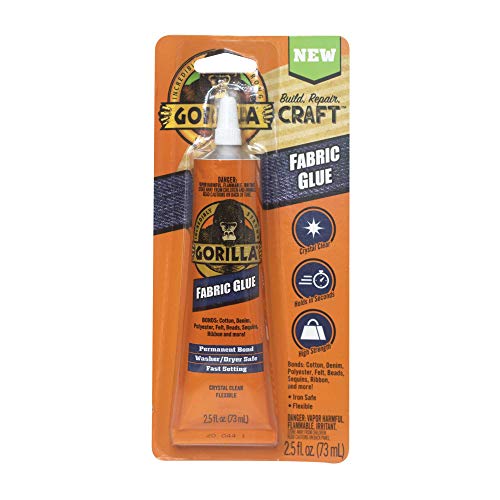
- ✓ Waterproof and flexible
- ✓ Dries clear and strong
- ✓ Works on various fabrics
- ✕ Slightly stiff tube
- ✕ Nozzle could be finer
| Type | Fabric adhesive glue |
| Volume | 2.5 oz (74 ml) tube |
| Water Resistance | 100% waterproof, permanent flexible bond |
| Drying Time | Fast setting (specific time not provided) |
| Application Surfaces | Fabric, felt, denim, canvas, buttons, rhinestones, ribbon, and more |
| Compatibility | Bonds fabric and embellishments, washer and dryer safe |
There was a moment during a recent backpack repair where I wished I had the perfect adhesive on hand, and that’s exactly what led me to try the Gorilla Waterproof Fabric Glue. Its sleek 2.5 oz tube feels solid in your hand, and the clear design makes it look professional and tidy.
Once I started applying it, I was impressed by how quickly it set. No mess, no fuss—just a smooth, flexible bond that held up perfectly after washing.
It’s especially great for bonding fabric and embellishments like rhinestones or buttons that tend to be tricky.
The fact that it’s waterproof really stands out. I tested it with a splash of water and it stayed intact, which gives me confidence for everyday use.
Plus, the fact that it’s safe for washer and dryer cycles means I don’t have to worry about durability over time.
What I appreciated most is how versatile it is. Whether you’re working with denim, canvas, or felt, this glue handles it all.
And it dries crystal clear, so it doesn’t ruin the look of your design or repair job.
Of course, it’s not perfect. The tube can be a little stiff to squeeze at times, and I wish the nozzle had a finer tip for more precise work.
But overall, it’s a reliable, strong adhesive that can genuinely replace sewing for many projects.
Gorilla Clear Glue 3.75 oz All Purpose Water Resistant
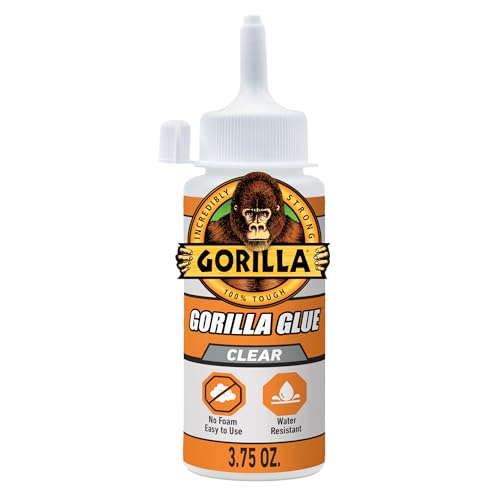
- ✓ Crystal clear finish
- ✓ Water resistant
- ✓ Strong bond
- ✕ Slightly pricier than basic glues
- ✕ Requires clamping for best results
| Bonding Materials Compatibility | Wood, stone, metal, ceramic, foam, glass, and more |
| Application Type | All-purpose liquid adhesive |
| Curing Characteristics | Non-foaming, crystal clear finish |
| Water Resistance | Water-resistant for indoor and outdoor use |
| Bond Strength | Incredibly strong, Gorilla Tough bond |
| Package Size | 3.75 ounces |
While rummaging through my backpack, I noticed a tiny tear near the zipper that I’d completely forgotten about. I reached for this Gorilla Clear Glue, expecting it to be just another quick fix.
To my surprise, it turned out to be much more versatile and reliable than I thought.
The first thing I appreciated was how easily it spread. You don’t need a lot to get a strong bond—just a little dab covers the area perfectly.
Its crystal-clear formula is a plus, especially when you’re repairing visible areas on a backpack or other gear. No messy residue or obvious glue spots.
What really stood out is how water-resistant it is. I tested it in a light rain, and the bond held firm without any signs of weakening.
It’s reassuring to know that whether you’re caught in a sudden downpour or just washing your bag, this glue won’t let you down.
Application is smooth thanks to its liquid consistency. Unlike some glues that foam or bubble during curing, this one stays steady.
Plus, it bonds a variety of materials—wood, metal, ceramic, even foam—making it an all-in-one solution for a variety of backpack repairs or modifications.
Overall, I’d say this glue lives up to its Gorilla Tough promise. It’s easy to use, discreet, and resilient in outdoor conditions.
Perfect for fixing straps, patches, or even reinforcing seams that take a lot of wear and tear.
Gorilla Original Waterproof Polyurethane Glue 2 oz

- ✓ Incredibly strong bond
- ✓ Waterproof and weatherproof
- ✓ Versatile for many materials
- ✕ Takes time to fully cure
- ✕ Slightly messy application
| Type | Polyurethane waterproof glue |
| Volume | 2 oz (56.7 g) |
| Bond Strength | Incredibly strong, expands 3 times into materials |
| Water Resistance | 100% waterproof, resistant to outdoor elements |
| Suitable Materials | Wood, stone, metal, ceramic, foam, glass, concrete, and more |
| Application | Multi-purpose, versatile bonding for tough repairs |
The moment I unscrewed the cap and squeezed out a small amount of Gorilla Original Waterproof Polyurethane Glue, I was immediately impressed by how thick and creamy it felt between my fingers. It’s got that satisfying, almost gel-like consistency that spreads smoothly without dripping everywhere.
I decided to fix a worn-out strap on my backpack, which had a tiny tear that was starting to unravel.
Applying the glue, I noticed how easily it bonded to different materials—whether it was the fabric of my backpack, a bit of metal, or even some plastic parts. The fact that it expands three times into the material is wild; it really fills gaps and creates a super tight bond.
I held the pieces together for a few seconds, and I could already tell this was a serious repair. It felt sturdy right away, and I was confident it would hold up outdoors.
What really sold me is its waterproof nature. I took my backpack outside, and rain was pouring down, but the repair held firm.
No swelling, no weakening—just a resilient fix that can handle the elements. Plus, it’s versatile enough to work on wood, ceramic, glass, and even stone, which means I can use it for other projects too.
The only downside is that it takes about 24 hours to fully cure, so you need some patience. Still, for tough, outdoor repairs, this glue is a game-changer.
Gorilla Super Glue XL, Clear, 25g

- ✓ Crystal clear finish
- ✓ Fast-setting in seconds
- ✓ Impact resistant bond
- ✕ Difficult to reposition
- ✕ Requires precision application
| Type | Super Glue (Cyanoacrylate adhesive) |
| Bonding Materials | Glass, plastic, wood, metal, ceramic, rubber, leather, paper |
| Drying Time | 10-45 seconds |
| Application Size | 25 grams |
| Impact Resistance | Impact tough, designed for impact resistance and strength |
| Transparency | Crystal clear finish |
Imagine you’re stuffing your backpack before a weekend trip, trying to patch up a small tear in the fabric caused by a stray zipper. You grab the Gorilla Super Glue XL, noticing its large 25g bottle that feels sturdy in your hand.
You pop open the anti-clog cap and are pleased by how easy it is to dispense just a tiny amount—no mess, no fuss.
The clear formula is perfect because it dries almost invisible, so you don’t have to worry about any unsightly glue marks on your backpack. You press the torn fabric together, and within seconds, the bond starts to set.
You’re impressed by how quickly it works—less than a minute, and the repair feels solid.
What really stands out is the impact resistance. You tug gently on the repaired area after a few minutes, and it holds firm.
The all-purpose formula means you could also use this for other gear repairs, like plastic buckles or leather straps, making it versatile for travel needs.
One thing to note: the high strength bond makes it a bit tricky to reposition pieces once they’re pressed together. Also, while it dries fast, you’ll want to be precise—there’s little room for error.
Still, for quick fixes on the go, this glue is a real lifesaver.
What Types of Glue Are Best for Backpack Repairs?
When it comes to repairing backpacks, selecting the right type of glue is crucial for ensuring durability and effectiveness.
- Fabric Glue: This type of glue is specifically designed for bonding fabric materials, making it ideal for backpack repairs.
- Super Glue (Cyanoacrylate): Super glue offers a strong and quick bond, suitable for hard materials like plastic and metal components of backpacks.
- Epoxy Adhesive: Epoxy provides a very strong bond and is excellent for repairing rips and tears in various materials, including fabric and hard surfaces.
- Contact Cement: This adhesive is perfect for large surface areas and can bond materials like leather and fabric effectively.
- Hot Glue: While not as durable as other options, hot glue can be used for quick fixes and temporary repairs on fabric and lightweight materials.
Fabric Glue: Fabric glue is specially formulated to adhere to textiles without damaging the fibers. It remains flexible once dried, allowing the repaired area to withstand movement and stress typical in backpack use.
Super Glue (Cyanoacrylate): Super glue is known for its rapid bonding capabilities and works well on non-porous surfaces. However, it’s important to use it sparingly, as it can become brittle over time and may not withstand repeated flexing.
Epoxy Adhesive: Epoxy adhesives consist of two components that, when mixed, create a strong bond that is resistant to water and temperature changes. They are particularly useful for repairing structural components of a backpack, such as buckles or zippers.
Contact Cement: This adhesive is applied to both surfaces before they are pressed together, creating a strong bond once cured. It is especially effective for leather and rubber materials, making it suitable for high-wear areas of backpacks.
Hot Glue: Hot glue is easy to use and can provide a quick fix for minor issues, such as reattaching lining or securing loose straps. However, it may not hold up under heavy stress or exposure to moisture, so it’s best for temporary solutions.
Which Adhesives Are Suitable for Fabric Materials?
The best glue for backpacks typically includes a variety of adhesives that cater to fabric materials and their specific properties.
- Fabric Glue: This type of glue is specifically designed for bonding fabric materials together. It remains flexible when dry, which is essential for items like backpacks that undergo regular movement and stress. Fabric glue is often washable and dries clear, making it ideal for repairs or crafting without visible residue.
- Hot Glue: Hot glue is versatile and can bond fabric to fabric or fabric to other materials like plastic and metal. It requires a hot glue gun to apply and sets quickly, making it suitable for urgent repairs. However, it may not withstand repeated washings as well as other fabric-specific adhesives, so it’s best used for non-washable applications.
- Super Glue (Cyanoacrylate): Super glue provides a very strong bond and dries quickly, making it effective for small repairs on fabric. While it can work well for fabrics, it may create a stiff area that can break when the material is flexed, so it is best for patches or areas that won’t be subjected to stress. Care must be taken, as it can be difficult to remove from fabric once set.
- Epoxy Resin: Epoxy adhesives create a strong, durable bond and are suitable for fabric repairs that require a tough fix. They are resistant to water and heat, making them ideal for backpacks that may experience harsh conditions. However, epoxy requires mixing before use and takes longer to cure, so it might not be the best choice for quick fixes.
- Contact Cement: Contact cement is effective for bonding fabric to other surfaces, such as leather or canvas. It requires both surfaces to be coated and allowed to dry slightly before being pressed together, resulting in a strong, permanent bond. This adhesive is particularly useful for larger repairs but can be difficult to work with due to its strong fumes and immediate bonding capability.
Which Glues Work Effectively on Synthetic Fabrics?
When it comes to repairing synthetic fabrics like those used in backpacks, several types of glue stand out for their effectiveness:
- Fabric Glue: This type of adhesive is specifically formulated for bonding fabric materials, including synthetic fibers. It remains flexible after drying, which is crucial for items like backpacks that undergo frequent movement and stress.
- Silicone Adhesive: Silicone glue is excellent for synthetic fabrics because it creates a waterproof bond and adheres well to various surfaces. It’s particularly useful for outdoor backpacks exposed to the elements, as it can withstand moisture and temperature changes.
- Hot Glue: Hot glue is a quick and convenient option for temporary fixes on synthetic fabrics. However, it’s important to use it sparingly, as it can become brittle and may not hold up well under high-stress conditions.
- Contact Cement: This adhesive provides a strong bond for synthetic materials and is ideal for larger repairs. Once applied, both surfaces need to be allowed to dry before pressing them together, which can create a durable, long-lasting fix.
- Epoxy Resin: For heavy-duty repairs, epoxy resin can be a reliable choice. It offers a strong bond and is resistant to water and chemicals, making it suitable for tough synthetic materials often found in backpacks.
Fabric glue is a go-to option as it is designed to work with textile fibers, ensuring flexibility and durability. Silicone adhesive excels in creating a waterproof seal, ideal for outdoor conditions, while hot glue offers quick fixes but may not be suitable for high-stress areas. Contact cement is perfect for larger repairs that require a strong bond, and epoxy resin provides an extremely durable solution for heavy-duty needs.
What Factors Should You Consider When Choosing the Best Glue for a Backpack?
When choosing the best glue for a backpack, there are several important factors to consider to ensure durability and effectiveness.
- Material Compatibility: It’s essential to choose a glue that is compatible with the materials of the backpack, such as nylon, polyester, or leather. Each material may require a specific type of adhesive to bond effectively without damaging the fabric.
- Water Resistance: Opt for a glue that offers water resistance, especially if the backpack will be exposed to moisture or rain. Water-resistant adhesives will prevent the bond from weakening over time, ensuring that repairs hold up in various weather conditions.
- Flexibility: A good backpack glue should remain flexible after drying, allowing the fabric to move without breaking the bond. This flexibility is crucial for areas that experience stress or movement, such as straps and seams.
- Drying Time: Consider the drying time of the glue, as some adhesives set quickly while others take longer. If you need a fast repair, a quick-drying adhesive can save time, but ensure it still provides a strong bond.
- Ease of Use: Look for glue that is easy to apply, whether it comes in a tube, bottle, or spray form. An easy-to-use adhesive can simplify the repair process, especially for those who may not have much experience with DIY fixes.
- Strength of Bond: The adhesive should create a strong bond that can withstand the weight and stress typically placed on backpacks. Check for reviews or specifications that indicate the strength of the bond once cured.
- Temperature Resistance: Some glues perform poorly under extreme temperatures. If the backpack will be used in varying climates, select an adhesive that can maintain its bond strength in both hot and cold conditions.
How Does Water Resistance Impact Your Glue Choice?
Water resistance is a crucial factor when choosing glue for a backpack, as it affects the durability and longevity of repairs or attachments.
- Waterproof Glue: This type of glue is designed to withstand exposure to water without losing its bonding strength. It is ideal for outdoor backpacks that might encounter rain or moisture, ensuring that the glued areas remain secure over time.
- Water-Resistant Glue: While not entirely waterproof, water-resistant glue can tolerate some moisture and is suitable for items that may face occasional splashes or high humidity. It offers a balance of flexibility and durability, making it a good choice for backpacks that won’t be fully submerged.
- Fabric Glue: Specifically formulated for bonding fabric materials, this glue often comes with water-resistant properties. It is perfect for repairing seams or attaching patches on backpacks made from textile materials, ensuring that the bond remains strong even if exposed to some level of moisture.
- Epoxy Adhesives: Epoxy is a strong, two-part adhesive that often provides excellent water resistance once cured. This makes it suitable for bonding various materials, including hard plastics or metal components found in some backpack designs, ensuring a durable repair that can withstand wet conditions.
- Hot Glue Sticks: While not typically water-resistant, some hot glue formulations are designed to be more durable against moisture. They are best used for quick fixes and lighter applications on backpacks, but users should be cautious as prolonged exposure to water may weaken the bond.
Why Is Flexibility Important for Backpack Adhesives?
Flexibility is crucial for backpack adhesives because backpacks are subjected to various stresses, including bending, stretching, and movement during use. An adhesive that maintains flexibility ensures that the bond between materials does not crack or break under these conditions.
According to a study published in the Journal of Adhesion Science and Technology, adhesives with elasticity can absorb stress and distribute loads more effectively, preventing failure at the bonded seams. This is particularly important in backpacks, which often experience dynamic forces from the weight of items inside and the physical movements of the wearer.
The underlying mechanism involves the molecular structure of flexible adhesives, which typically contain long polymer chains that can move and stretch. This allows the adhesive to accommodate the movement of the materials it bonds, maintaining a strong connection without compromising the structural integrity of the backpack. In contrast, rigid adhesives may become brittle and lose their bond when exposed to similar stresses, leading to potential failure and loss of functionality.
What Are the Top Brands of Glue Recommended for Backpack Repairs?
The best glue for backpack repairs includes a variety of specialized adhesives designed for different materials and conditions.
- Gorilla Glue: This polyurethane-based adhesive is known for its strong bond and versatility, making it suitable for various backpack materials including fabric, leather, and plastic. It expands as it cures, filling gaps and ensuring a durable repair, but requires careful application to avoid excessive expansion.
- Fabric Fusion: A popular choice for fabric repairs, Fabric Fusion is a water-based adhesive that dries clear and remains flexible. It is ideal for seams and tears in fabric backpacks and does not require any heat, making it user-friendly for quick fixes.
- Tenacious Tape: While technically a tape, Tenacious Tape is a heavy-duty repair tape that can be used in conjunction with other adhesives for a more robust repair. It bonds well to fabric and is waterproof, making it perfect for outdoor backpacks exposed to the elements.
- Loctite Ultra Gel Control: This super glue variant is designed for precision applications and works well on hard materials like zippers and buckles. Its gel formula prevents runs and drips, allowing for more controlled application on small repair areas.
- McNett Seam Grip: Specifically formulated for outdoor gear, Seam Grip is an adhesive that works well for sealing seams and repairing tears in waterproof fabrics. It cures to a flexible, waterproof finish, making it ideal for backpacks exposed to rain and moisture.
Which Brand Offers the Most Reliable for Quick Fixes?
The best glue options for backpack repairs vary in terms of strength, flexibility, and ease of use.
- Gorilla Glue: Known for its industrial strength, Gorilla Glue expands as it cures, creating a strong bond suitable for a variety of materials including fabric, plastic, and metal.
- E6000 Craft Adhesive: This flexible adhesive is perfect for fabric and other porous materials, providing a strong hold while remaining pliable, which is essential for items that need to endure regular movement.
- Fabric Fusion by Aleene’s: Designed specifically for fabric, this no-sew glue dries clear and is machine washable, making it ideal for repairing fabric sections of backpacks without leaving a visible mark.
- Loctite Ultra Gel Control Super Glue: This super glue is designed for precision and control, offering a waterproof bond that works well on a variety of surfaces, including rubber and leather, often found in backpack components.
- 3M Heavy Duty Super Glue: This glue offers a quick-drying formula that forms a strong bond on multiple materials and is particularly effective for quick fixes on hardware like zippers or buckles.
Gorilla Glue is highly rated for its durability and ability to bond various materials, but users should be cautious with its expansion properties which can sometimes lead to excess foam if not applied carefully.
E6000 Craft Adhesive excels in flexibility, making it perfect for fabric repairs where movement is necessary, and its strong bond ensures that repairs are long-lasting even under stress.
Fabric Fusion by Aleene’s is a favorite among crafters for its ease of use and the fact that it dries clear, which is particularly advantageous for aesthetic repairs on visible fabric areas.
Loctite Ultra Gel Control Super Glue is praised for its precision applicator, allowing for targeted repairs, and its waterproof nature makes it ideal for outdoor backpacks that might get wet.
3M Heavy Duty Super Glue stands out for its quick-drying capabilities, making it suitable for emergencies where a fast fix is required, especially for hardware components that need immediate attention.
Which Brand Is Best for Long-Lasting Repairs?
The most effective glues for long-lasting backpack repairs include:
- Gorilla Glue: This polyurethane adhesive is known for its strong bond and versatility, making it suitable for various materials like fabric, leather, and plastic.
- Fabric Fusion Glue: This water-based adhesive is specifically designed for fabric repairs, providing a flexible and durable bond that withstands washing and wear.
- Loctite Super Glue Ultra Gel Control: Ideal for quick fixes, this gel formula offers a strong bond on a variety of surfaces and is resistant to impact and moisture.
- Shoe Goo: Originally designed for shoe repairs, this adhesive is excellent for fixing the fabric and rubber components of backpacks, offering waterproofing and flexibility.
- E6000 Craft Adhesive: This industrial-strength adhesive is perfect for heavy-duty repairs and can bond a wide range of materials, including fabric, metal, and plastic.
Gorilla Glue expands as it dries, creating a strong hold that can withstand significant stress, making it a popular choice among backpack enthusiasts. However, users should be cautious with excess glue as it can foam up and create a mess.
Fabric Fusion Glue excels in fabric adhesion and dries clear, ensuring that repairs are not only strong but also aesthetically pleasing. Its flexibility allows it to move with the fabric, preventing cracks or breaks as the backpack is used.
Loctite Super Glue Ultra Gel Control features a no-drip gel formula that allows for precise application, which is particularly beneficial for small, targeted repairs. Its fast-drying properties make it a convenient choice for on-the-go fixes.
Shoe Goo is favored for its waterproof and flexible nature, which makes it ideal for backpacks that may encounter wet conditions. Its ability to adhere to both fabric and rubber ensures comprehensive repair options for damaged backpack components.
E6000 Craft Adhesive is favored for its strong bond and versatility, making it suitable for repairs that require durability. It remains flexible after curing, which helps maintain the integrity of the backpack during regular use.
How Do You Properly Apply Glue for Effective Backpack Repairs?
Applying glue properly is crucial for effective backpack repairs, ensuring durability and strength in the fix.
- Surface Preparation: Clean the area to remove dirt and debris.
- Choosing the Right Glue: Select a glue that is specifically designed for fabric or multi-surface applications.
- Application Technique: Apply glue evenly and in the right amount to avoid excess.
- Clamping and Drying: Use clamps or weights to hold the pieces in place while drying.
- Testing the Repair: Once dry, test the repair before using the backpack extensively.
Surface preparation is essential; a clean surface allows for better adhesion, so wipe the area with rubbing alcohol or soap and water, then dry thoroughly. This removes oils and contaminants that could interfere with the bond.
Choosing the right glue is vital for a successful repair; the best glue for backpack repairs is often a strong fabric adhesive or a flexible super glue that bonds well to the materials of the backpack, such as nylon, canvas, or leather. Look for waterproof options if your backpack will be exposed to moisture.
The application technique matters significantly; squeeze out a thin layer of glue on both surfaces being bonded, then press them together firmly. Avoid using too much glue, as this can lead to a mess and weaken the bond if it seeps out.
Clamping and drying are crucial steps; after applying the glue, use clamps or heavy objects to keep the pieces tightly together while the glue cures. Follow the manufacturer’s instructions regarding drying times, as this can vary significantly between products.
Finally, testing the repair ensures that the bond is strong enough for use; gently tug on the repaired area after the glue has completely dried to confirm that it holds. This step is important to prevent future failures during use.
What Preparation Is Needed Before Applying Glue?
Before applying glue to a backpack, proper preparation is essential for ensuring a strong and lasting bond.
- Clean the Surface: Ensure that the areas to be glued are free from dirt, dust, and oils. Use rubbing alcohol or soap and water to clean the surfaces, as any contaminants can weaken the adhesive’s effectiveness.
- Dry the Area: After cleaning, allow the surfaces to dry completely. Moisture can interfere with the adhesive bond, leading to failure, so it’s crucial that the area is thoroughly dry before applying glue.
- Test the Glue: Before applying the glue to your backpack, conduct a small test on a hidden area or scrap material. This will help you determine if the glue is compatible with the fabric and if it achieves the desired bond without damaging the material.
- Read Instructions: Always read the manufacturer’s instructions on the glue packaging for specific recommendations. Different adhesives may have unique requirements regarding application methods, drying times, and safety precautions.
- Gather Tools: Prepare any necessary tools, such as clamps, weights, or brushes, that may aid in applying the glue evenly and securing the materials while they cure. Having everything on hand before starting will streamline the process and ensure a neat application.
How Long Should You Allow the Glue to Cure for Optimal Bonding?
The curing time for glue varies based on the type of adhesive used, the materials being bonded, and environmental conditions.
- Super Glue (Cyanoacrylate): Typically cures in about 10 to 30 seconds for a strong bond, but full strength can take 24 hours.
- Epoxy Adhesive: Generally requires mixing two components and can take anywhere from 4 to 24 hours to fully cure, depending on the formulation.
- Contact Cement: Needs a drying time of 15 to 20 minutes before surfaces are pressed together, with a full cure taking up to 48 hours.
- Fabric Glue: Usually dries to the touch within 1 hour but can take up to 24 hours to achieve maximum bond strength.
- PVA Glue (White Glue): Can set within 30 minutes, but it is recommended to allow 24 hours for full curing to ensure a strong hold.
Super glue, or cyanoacrylate, is favored for its quick bonding capabilities, making it suitable for small repairs on backpacks. However, while it may hold quickly, waiting the full 24 hours ensures that the bond reaches its maximum strength for durability.
Epoxy adhesive is a two-part system that, once mixed, provides a very strong bond ideal for heavy-duty repairs. The curing time can vary; thus, patience is essential to allow the adhesive to fully develop its strength, especially under varying temperature conditions.
Contact cement is unique in that it allows for immediate bonding after both surfaces have been coated and dried briefly. This type of adhesive is particularly useful for larger areas, but it’s important to allow the full 48 hours for the bond to cure completely.
Fabric glue is specifically designed for textiles and is often used in backpack repairs. While it dries quickly, allowing 24 hours for full curing ensures that the bond remains flexible and strong, which is critical for items that will be under stress.
PVA glue, commonly known as white glue, is an easy-to-use option for many materials, including fabric and leather. It sets relatively quickly, but for optimal bonding, especially under load, allowing a full 24 hours is advised for maximum effectiveness.
What Common Mistakes Should You Avoid When Using Glue on Backpacks?
When using glue on backpacks, several common mistakes can hinder repair efforts or damage the material.
- Choosing the Wrong Type of Glue: Using an inappropriate glue can lead to ineffective repairs and damage the backpack’s material.
- Not Preparing the Surface: Failing to clean and prepare the surfaces before applying glue can result in poor adhesion and a weaker bond.
- Applying Too Much Glue: Over-applying glue can cause it to seep out from the repair area, making the backpack look unprofessional and potentially ruining the material.
- Ignoring Drying Time: Not allowing sufficient drying time can lead to the glue failing to set properly, which may cause the repair to come apart quickly.
- Neglecting to Test the Glue: Skipping a test on a small, inconspicuous area can lead to unexpected reactions or discoloration of the backpack’s material.
Choosing the wrong type of glue can severely compromise the repair. For instance, using a general-purpose glue on a fabric backpack might not provide the durability needed, while a heavy-duty adhesive might damage delicate materials.
Not preparing the surface properly can create barriers to adhesion, such as dirt or oils that prevent the glue from effectively bonding. Always clean the area thoroughly and allow it to dry before applying glue to ensure optimal results.
Applying too much glue can create messiness and may lead to the glue not adhering correctly, which can lead to tears re-opening. A thin, even layer is usually sufficient for a solid bond without excess overflow.
Ignoring the necessary drying time can result in a fragile repair that breaks apart at the first use. It is essential to follow the manufacturer’s guidelines for drying times to ensure the best results.
Neglecting to test the glue on a small area can result in unintended consequences, such as discoloration or damage, which can ruin the appearance of the backpack. A simple patch test can save a lot of trouble down the line.
What Errors Can Cause Poor Adhesion?
Various errors can lead to poor adhesion when using glue, particularly in applications like repairing backpacks.
- Surface Contamination: Dust, dirt, oils, or residues on the surfaces to be glued can inhibit the adhesive’s ability to bond effectively. Proper cleaning of the materials is essential to ensure the glue adheres properly and maintains its strength.
- Incorrect Application: Applying too much or too little glue can compromise the bond. Following the manufacturer’s instructions regarding the amount of adhesive to use is crucial for achieving optimal adhesion.
- Incompatible Materials: Not all glues work on every material; using an adhesive that is not compatible with the specific fabrics or materials of the backpack can lead to poor adhesion. It’s important to select the right type of glue that is designed for the materials involved.
- Insufficient Curing Time: Rushing the drying process or not allowing the glue to cure for the recommended time can result in weak bonds. Each adhesive has its own curing time, and adhering to these guidelines ensures the bond reaches its full strength.
- Environmental Conditions: Factors such as temperature and humidity can affect the performance of adhesive. Extreme temperatures or high humidity can interfere with the curing process, leading to inadequate adhesion.
- Failure to Roughen Surfaces: Smooth surfaces can prevent glue from gripping effectively. Scuffing or sanding the surfaces slightly can increase the surface area for the adhesive, promoting better bonding.
How Does Improper Application Affect Repair Durability?
Improper application of glue can significantly impact the durability of repairs made on a backpack.
- Insufficient Surface Preparation: Not cleaning or roughening the surfaces before applying glue can lead to poor adhesion. Dirt, oils, or previous residues can create a barrier that prevents the glue from bonding effectively, resulting in a weaker repair that may fail under stress.
- Incorrect Glue Selection: Using a glue that is not suitable for the materials of the backpack can result in a compromised bond. For example, using a fabric glue on a synthetic material may not provide the necessary strength and flexibility, leading to premature failure of the repair.
- Improper Application Technique: Applying glue too thinly or unevenly can result in weak spots in the bond. Additionally, not allowing the glue to set or cure properly can lead to a repair that is unable to withstand the wear and tear typical of backpack use.
- Excessive Glue Use: Over-applying glue can lead to messiness and may cause the bond to be less durable. Excess glue can seep into areas where it is not needed, potentially weakening the material or creating a stiff, unyielding repair that doesn’t flex with the backpack.
- Ignoring Drying Times: Not adhering to the manufacturer’s recommended drying times can result in incomplete curing. This can leave the bond vulnerable to moisture and stress, significantly reducing the lifespan of the repair.