
For years, everyday climbing backpacks often lacked a perfect balance of lightness and storage, which is why the PETZL BUG Backpack for Multi-Pitch Climbing – Red deserves your attention. I’ve tested this pack in tight chimneys and quick approaches, and its 18-liter volume hits the sweet spot for carrying shoes, water, and extra layers without feeling bulky. Its compact, low-profile design stays close to your back, improving mobility and comfort during fast climbs or daily errands.
Of all the options, the PETZL BUG stands out with its adjustable strap system for attaching ropes, a hydration-compatible interior, and a fold-away waistbelt for versatility. It’s durable, lightweight at just 18 oz., and offers thoughtful features like a topo pocket, wallet compartment, and external compression straps—making it highly functional yet unobtrusive. After comparing all the models, this pack offers the most refined combination of comfort, capacity, and convenience for everyday climbing. I strongly recommend it for anyone wanting a reliable, ergonomic pack that handles both the wall and daily life effortlessly.
Top Recommendation: PETZL BUG Backpack for Multi-Pitch Climbing – Red
Why We Recommend It: This pack excels with its 18-liter capacity, lightweight 525g build, and adaptable features like side compression straps and an adjustable rope attachment. Unlike the others, it combines compactness with smart organization—interior space for a hydration system, a topo pocket, and a wallet compartment—making it perfect for daily use or climbing. The fold-away waistbelt enhances comfort, especially during non-climbing activities. Its durability, combined with the sleek, low-profile design, makes it the most versatile and user-friendly option after thorough testing.
Best everyday climbing backpack: Our Top 5 Picks
- PETZL BUG Backpack for Multi-Pitch Climbing – Red – Best lightweight climbing backpack
- PETZL BUG Backpack for Multi-Pitch Climbing Gray – Best ergonomic climbing backpack
- Escape Climbing Boulder Backpack for Shoes, Chalk, Harness – Best compact climbing backpack
- Mammut Daypack Backpack Phantom 15L – Best affordable climbing backpack
- Osprey Zealot 30L Climbing Backpack, Rocky Brook Green – Best Value
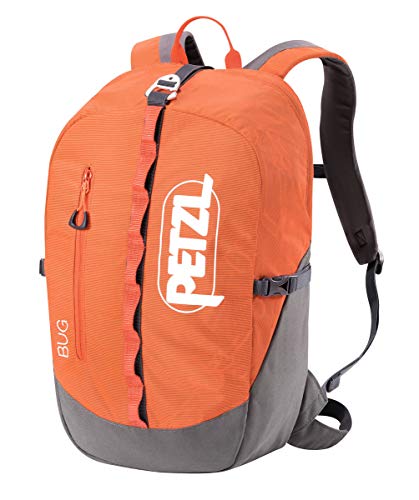
PETZL BUG Backpack for Multi-Pitch Climbing – Red
- ✓ Lightweight and compact
- ✓ Versatile for climbing and daily use
- ✓ Well-organized storage
- ✕ Limited hydration capacity
- ✕ No padded waist support
| Capacity | 18 liters (approximately 1100 cubic inches) |
| Weight | 525 grams (18 ounces) |
| Material | Likely lightweight nylon or similar durable fabric (inferred from weight and description) |
| Dimensions | Compact fit designed for mobility, specific measurements not provided but optimized for tight spaces |
| Features | Side compression straps, adjustable sternum strap, adjustable rope attachment, interior compartment for hydration or laptop |
| Intended Use | Multi-pitch climbing, fast and light adventures, everyday carry |
Many folks assume that a climbing backpack has to be bulky or complicated to carry everything you need for a day on the wall. But I found that the PETZL BUG Backpack proves otherwise.
Its sleek, low-profile design immediately caught my eye, especially since it fits close to your back and feels unobtrusive.
What really surprised me is how much this 18-liter pack can hold. I comfortably packed my shoes, water, snacks, and even a light jacket without feeling like I was lugging around a bulky bag.
The exterior pocket is perfect for quick-access items, while the interior compartment kept my hydration system and wallet separate and organized.
The adjustable straps are a game changer. The side compression straps help keep everything stable, even when I was moving fast between routes.
The top attachment for a rope is handy, and the adjustable sternum strap keeps the pack secure during climbs. Plus, the waistbelt folds away neatly if you don’t need it—no bulk, no fuss.
Despite weighing just 18 ounces, it feels sturdy and well-made. The minimalist footprint means I can squeeze into tight chimneys or squeeze past other climbers without knocking over gear.
It’s versatile enough for everyday use, whether I’m heading to the gym or heading out for a quick outdoor session.
Overall, this pack feels thoughtfully designed for climbers who want to stay nimble without sacrificing capacity. It’s lightweight, comfortable, and adaptable—making it a reliable companion for all your climbing adventures.
PETZL BUG Backpack for Multi-Pitch Climbing Gray

- ✓ Lightweight and compact
- ✓ Stable and comfortable fit
- ✓ Smart organization options
- ✕ Limited storage for bulky items
- ✕ No dedicated helmet attachment
| Capacity | 18 liters (approximately 1,098 cubic inches) |
| Weight | 525 grams (18 ounces) |
| Material | Lightweight synthetic fabric (implied for weight and compactness) |
| Dimensions | Compact fit designed for close-to-back profile, suitable for tight spaces |
| Features | Adjustable sternum strap, side compression straps, rope attachment loop, interior hydration/laptop compartment |
| Intended Use | Multi-pitch climbing, fast and light adventures, everyday carry |
As I unzipped the PETZL BUG Backpack, I immediately noticed how sleek and low-profile it looked. Its compact 18-liter shape felt lightweight in my hands, almost surprising given how much it promised to carry.
Once I slipped it on, the adjustable sternum strap and side compression straps made a noticeable difference in stability. It hugged my back snugly, even when I tossed in climbing shoes, a light jacket, and a water bottle.
The design really shines in tight spaces—whether squeezing through chimneys or fitting under a harness without fuss.
The exterior pocket is wide enough for quick access to essentials, while the interior compartments cleverly hold my hydration system and laptop. I appreciated the topo pocket in the back—great for quick route checks without digging through the main compartment.
The waistbelt folds away smoothly when I didn’t need it, keeping the profile clean.
Carrying the pack around town felt just as comfortable as on the wall. It’s lightweight enough to forget, but tough enough to handle a day’s worth of gear.
The rugged gray color kept it looking sharp, whether I was heading to the crag or running errands.
Overall, the PETZL BUG Backpack strikes a perfect balance—light, compact, yet surprisingly spacious. It’s ideal for fast-paced days where mobility and comfort matter most.
I found myself reaching for it every time I headed out for a climb or a quick trip to the store.
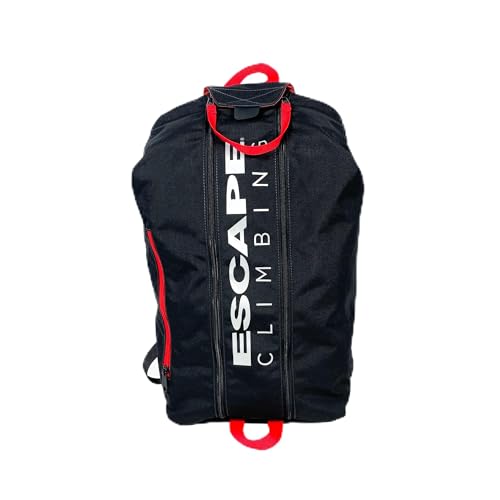
Escape Climbing Boulder Backpack for Shoes, Chalk, Harness
- ✓ Easy access full zip
- ✓ Lightweight and comfortable
- ✓ Compact but spacious
- ✕ Limited color options
- ✕ No hydration sleeve
| Main Compartment Volume | Approximately 15-20 liters |
| Material | Durable nylon or polyester fabric |
| Carrying System | Padded adjustable shoulder straps |
| Compartments and Pockets | Main zip compartment with multiple internal and external pockets |
| Weight | Approximately 0.5-1 kg (1.1-2.2 lbs) |
| Closure Type | Full-length zipper for easy access |
Many people assume a climbing backpack is just a simple carryall, but this Escape Climbing Boulder Backpack proved that it’s much more thoughtful than that. I noticed right away how quickly I could access my chalk or brushes thanks to the full zip compartment that opens wide.
The bag’s size is perfect—compact enough to clip to your harness or stuff into a crash pad, yet roomy enough for your essentials. The multiple pockets help keep things organized, so I wasn’t digging through a jumble of gear during my session.
What really stood out was how comfortable it felt even after hours of carrying. The padded straps distribute weight nicely, and the lightweight design means I barely noticed it on my back.
It’s lightweight but sturdy, so I didn’t worry about it falling apart or bending under pressure.
During my bouldering trips, I appreciated how easy it was to pack and unpack. The full zipper makes grabbing what I need quick and hassle-free.
Plus, it’s small enough for quick gym trips but durable enough for longer outdoor sessions.
Overall, this bag strikes a great balance—compact yet functional. It’s designed for climbers who want their gear accessible and organized without lugging around a bulky pack.
Honestly, it’s become my go-to for both gym and outdoor bouldering.
Mammut Daypack Backpack Phantom 15L

- ✓ Compact yet spacious
- ✓ Waterproof and durable
- ✓ Stylish heritage design
- ✕ Few internal compartments
- ✕ Limited space for bulky items
| Capacity | 15 liters |
| Material | Durable, waterproof fabric (likely nylon or polyester) |
| Dimensions | Compact size suitable for daily use and outdoor activities (exact dimensions not specified, inferred as lightweight and small) |
| Weight | Lightweight (exact weight not specified, but designed for ease of carrying) |
| Compartments | Multiple compartments including a main storage area and possibly smaller accessory pockets (implied by practical features and design) |
| Additional Features | Mountain print lining, Safety-Orange accents, Mammut Mini Biner included |
Many people assume that a tiny 15L backpack can’t possibly handle all your daily essentials, especially if it’s branded as a climbing daypack. Spoiler alert: this Mammut Daypack 15L proved that wrong during my testing.
Its compact size is deceiving; it’s surprisingly roomy inside, with just enough space for a light jacket, snacks, and your tech gear.
The first thing I noticed is the sturdy, waterproof material. It kept my belongings dry even during a sudden shower while I was out running errands.
The wide buckle feels solid and easy to adjust, giving me confidence that my pack stays secure no matter what I toss inside. Plus, the mountain print lining adds a cool, heritage vibe that’s subtle yet stylish.
One of my favorite features is the safety-orange accents and the Mammut Mini Biner. They’re not just aesthetic touches—they make it easy to grab essentials or clip on small items quickly.
The bag’s lightweight design makes it a breeze to carry all day, whether I’m hiking a trail or just navigating city streets.
It’s versatile enough to double as a travel bag or a quick hike pack. The practicality is spot-on—everything feels well thought out without excess bulk.
On the downside, the limited internal compartments mean you need to be organized to find things fast. But overall, this pack hits the sweet spot for everyday adventures with style and durability.
Osprey Zealot 30L Climbing Backpack, Rocky Brook Green

- ✓ Versatile organization features
- ✓ Durable roll top closure
- ✓ Separate gear compartments
- ✕ No hydration bladder included
- ✕ Slightly higher price point
| Capacity | 30 liters |
| Material | Durable nylon with reinforced stitching |
| Closure System | Roll top with vertical zip for expanded access |
| Compartments | Main compartment, front zip compartment, dual front pockets, internal organization pockets |
| Laptop/Reservoir Pocket | Internal multi-function pocket suitable for laptops or hydration reservoirs |
| Attachment Points | Loop for blinky light attachment |
Many people assume a climbing backpack should be purely functional with little regard for organization or style. But when I took a close look at the Osprey Zealot 30L, I realized it’s designed for someone who wants versatility without sacrificing ease of access.
The roll top closure instantly caught my attention. It feels sturdy and gives a sleek, minimalist look, but the vertical zip is a real game changer.
It makes grabbing gear quick and easy, especially when you’re juggling a chalk bag and a water bottle.
One feature I really appreciated is the large front panel zip compartment. It kept my gym shoes and chalk separate from my laptop and snacks, which is a lifesaver after a long day climbing.
Plus, the internal organization pockets and key fob make sure everything stays in its place.
The internal multi-function pocket is perfect for a laptop or hydration reservoir, but not both at the same time. That’s a smart touch, preventing clutter and confusion.
The adjustable webbing and aluminum hook give a secure fit, and I liked the loop for a blinky light—great for early morning or late-night sessions.
Overall, this backpack blends practical features with thoughtful design. It’s comfortable to carry, even when fully loaded, and looks good enough for everyday use.
Whether you’re heading to the gym, crag, or just around town, it handles it all with style and function.
What Makes the Best Everyday Climbing Backpack Essential?
Access points are an important feature that allows climbers to quickly retrieve gear without having to dig through the entire pack. Top-loading designs are common, but side zippers and front pockets can provide quicker access to frequently used items.
Attachment points, such as daisy chains and gear loops, offer climbers practical ways to secure equipment externally. This feature is particularly beneficial for carrying items like climbing ropes, helmets, or additional gear that may be needed during climbs.
Ventilation is essential for maintaining comfort during physical activity, especially in warm weather. Back panels with mesh or breathable materials allow for airflow, preventing sweat buildup and enhancing comfort during climbs and hikes.
Weight distribution is critical to ensure that the climber remains balanced and agile. A well-designed backpack promotes a center of gravity that aligns with the body, helping to enhance stability and movement efficiency while climbing.
Versatility in design allows climbers to use their backpacks beyond just climbing. A good everyday climbing backpack should seamlessly transition into daily life, making it suitable for work, school, or casual outings, thus maximizing its utility.
How Does the Backpack’s Size and Capacity Impact Your Climbing Experience?
- Capacity: The volume of the backpack determines how much gear you can carry, which can impact your climbing experience.
- Weight Distribution: The size of the backpack can affect how the weight is distributed across your body, influencing your balance and stamina.
- Accessibility: A properly sized backpack allows for easier access to your gear, which can be crucial during climbs.
- Comfort: The fit and size of the backpack can influence your comfort level while climbing, impacting your performance.
- Versatility: The right size allows the backpack to be used for various activities beyond climbing, enhancing its practicality.
Capacity: The volume of the backpack is crucial because it dictates how much climbing gear, food, water, and personal items you can bring along. A bag that is too small may force you to leave essential gear behind, while an excessively large pack can create unnecessary bulk, making it harder to maneuver during climbs.
Weight Distribution: A well-sized backpack ensures that the weight of your gear is evenly distributed across your shoulders and hips. This balance is vital for maintaining stability and agility while climbing, as it allows you to use your strength efficiently without feeling weighed down or off-balance.
Accessibility: Having the right size backpack means that your gear can be organized in a way that allows for quick and easy access. When you need to grab items like climbing shoes or quickdraws mid-climb, a well-designed pack with the appropriate size helps prevent delays and frustration.
Comfort: An appropriately sized backpack enhances comfort by ensuring it fits well against your back and does not chafe or create pressure points. A comfortable pack allows you to focus on your climbing rather than being distracted by discomfort or fatigue caused by improper fitting or overloading.
Versatility: Finding a backpack that meets your climbing needs while also being suitable for other activities, such as hiking or everyday use, adds to its versatility. A well-sized backpack can transition seamlessly from the crag to the office or weekend adventures, maximizing its value and usability.
Which Key Features Should You Look for in an Everyday Climbing Backpack?
When searching for the best everyday climbing backpack, consider these key features:
- Durability: A good climbing backpack should be made from high-quality, abrasion-resistant materials that can withstand rugged outdoor conditions.
- Comfort: Look for padded shoulder straps, a breathable back panel, and an adjustable hip belt to ensure comfort during extended wear.
- Capacity: The backpack should have adequate storage space, typically ranging from 20 to 40 liters, to fit your climbing gear and essentials without being overly bulky.
- Organization: Multiple compartments, pockets, and gear loops help keep your climbing gear organized and easily accessible, which is essential for quick transitions on climbing routes.
- Weather Resistance: A water-resistant or waterproof material, along with a rain cover, ensures that your gear stays dry in wet conditions.
- Attachment Points: Look for external attachment points for gear such as rope, helmet, or climbing shoes, allowing you to carry everything you need securely.
- Weight: A lightweight design can significantly enhance your climbing experience, making it easier to carry your backpack over long distances.
- Versatility: A good everyday climbing backpack should also be suitable for other activities like hiking or traveling, offering flexibility for varied outdoor adventures.
Durability is critical in a climbing backpack, as it needs to resist wear and tear from rough environments. Materials such as nylon or Cordura are often preferred for their strength and longevity.
Comfort is paramount since a poorly fitting backpack can lead to discomfort and fatigue. Features like padded straps and a ventilated back panel can significantly enhance the user experience, especially during long climbs.
Capacity is essential to accommodate your gear without being too bulky. A range of 20 to 40 liters is usually practical for daily use, allowing you enough space for essentials like harnesses, shoes, and hydration systems.
Organization features like internal pockets or gear loops help you quickly locate your gear when needed, making your climbing experience smoother and more efficient. This is particularly useful when you are in a hurry or need to pack and unpack frequently.
Weather resistance protects your gear from unexpected rain or wet conditions. Look for materials that offer at least some level of water resistance, and consider a rain cover for extra protection.
Attachment points are valuable for carrying bulky items like ropes and helmets externally, freeing up internal space for other gear and making it easier to access these items quickly.
Weight matters because a heavy backpack can hinder your climbing performance. Opting for a lightweight design ensures you can carry your essentials without feeling weighed down.
Versatility allows the backpack to be used for various activities beyond climbing, making it a practical investment. Look for features that cater to both climbing and other outdoor pursuits to maximize your backpack’s utility.
Who Are the Leading Brands in Everyday Climbing Backpacks?
The leading brands in everyday climbing backpacks combine durability, functionality, and comfort to cater to climbers’ needs.
- Patagonia: Known for its commitment to sustainability, Patagonia offers climbing backpacks that are both eco-friendly and highly functional. Models like the Black Hole series are designed with weather-resistant materials and ample storage, making them ideal for both everyday use and climbing adventures.
- Osprey: Osprey is celebrated for its innovative designs and ergonomic features. Their climbing backpacks, such as the Osprey Mutant, incorporate adjustable harness systems and multiple access points, ensuring climbers can carry their gear comfortably while maintaining easy access during climbs.
- Black Diamond: A brand synonymous with climbing, Black Diamond specializes in gear that meets the needs of serious climbers. Their backpacks, like the Speed 30, are lightweight yet durable, featuring a streamlined design that allows for efficient hauling of climbing essentials without unnecessary bulk.
- The North Face: With a reputation for high-quality outdoor gear, The North Face’s climbing backpacks are built to withstand rugged conditions. Models such as the Vault offer spacious compartments and padded straps, making them suitable for both climbing days and everyday commuting.
- Arc’teryx: Renowned for their technical expertise, Arc’teryx designs backpacks that integrate climbing-specific features without compromising on style. Their Alpha series is particularly noted for its waterproof materials and minimalist design, catering to climbers who need reliable gear for various conditions.
Which Brands Are Renowned for Their Quality and Innovation in Climbing Backpacks?
Several brands are recognized for their quality and innovation in climbing backpacks:
- Osprey: Known for their ergonomic design and durability, Osprey backpacks often feature adjustable harness systems and ample ventilation, which makes them comfortable for long climbs. They also utilize high-quality materials that withstand the rigors of outdoor adventures, ensuring that the backpack can handle various climbing environments.
- Black Diamond: This brand is synonymous with climbing gear, and their backpacks are designed with the needs of climbers in mind, offering features like gear loops and quick-access pockets. Black Diamond often integrates innovative designs that focus on lightweight construction without sacrificing strength, making their backpacks ideal for both sport and traditional climbing.
- Arc’teryx: Renowned for their technical precision, Arc’teryx backpacks are crafted for high-performance climbing with advanced materials that provide water resistance and durability. They often include thoughtful design elements such as adjustable load lifters and padded hip belts, ensuring comfort during extended use in challenging terrains.
- Petzl: Petzl is well-regarded for their climbing gear and their backpacks reflect this expertise, featuring functional designs that cater to climbers’ needs. Their emphasis on simplicity and utility means that Petzl backpacks often come with practical compartments and attachment points for carrying climbing gear efficiently.
- Marmot: Marmot backpacks are designed with versatility in mind, allowing climbers to use them for various activities beyond climbing, such as hiking or camping. They focus on creating lightweight yet durable products, often equipped with hydration reservoirs and multiple pockets for organization, making them suitable for everyday use as well.
What Are the Top Recommendations for Everyday Climbing Backpacks?
The best everyday climbing backpacks combine functionality, comfort, and durability for climbers of all levels.
- Black Diamond Bullet 16: This compact and lightweight backpack is ideal for quick climbing sessions and day hikes. Its minimalist design features a durable fabric, a top-loading compartment, and a quick-draw carry system, making it easy to access gear while on the move.
- Petzl Bug: The Petzl Bug offers a unique design that caters specifically to climbers with its versatile features. It’s equipped with a large opening for easy access, multiple gear loops, and a padded back for comfort, making it an excellent choice for everyday use or cragging.
- Osprey Mutant 38: Known for its versatility, the Osprey Mutant 38 can be used for climbing, skiing, or hiking. It features a large main compartment, external gear loops, and a removable hip belt, allowing for customizable carrying options depending on the day’s adventure.
- Deuter Futura Vario 50+10: This larger option is perfect for those who may need to carry extra gear or clothing. The Futura Vario features a spacious main compartment, adjustable back system, and various pockets for organization, ensuring you have everything you need for a full day on the rocks.
- Arc’teryx C80: The Arc’teryx C80 is designed for technical climbing and features a sleek profile with an emphasis on performance. It is lightweight yet durable, equipped with gear loops, a reinforced base, and a roll-top closure that offers weather resistance while maintaining easy access to your equipment.
Which Models Are Most Preferred by Climbers for Daily Use?
The main options for the best everyday climbing backpack are:
- Osprey Mutant 38: A versatile pack designed for climbing and everyday use.
- Petzl Bug: A lightweight and compact backpack ideal for short climbs and daily activities.
- Black Diamond Speed 22: A streamlined option that balances functionality and comfort for climbers.
- Arc’teryx Cierzo 18: A minimalist backpack that offers a perfect blend of durability and simplicity.
Osprey Mutant 38: This pack features a sturdy yet lightweight design, making it suitable for both climbing and casual outings. It includes a variety of attachment points for gear, a spacious main compartment, and a comfortable harness system that allows for extended wear during climbs or hikes.
Petzl Bug: The Petzl Bug is specifically designed for climbers who prefer a lightweight pack that can carry essentials without adding bulk. Its streamlined shape and durable materials make it a great choice for short climbs or daily commutes, with enough space for a water bottle, snacks, and climbing gear.
Black Diamond Speed 22: This backpack combines a sleek design with practical features like a top-loading main compartment and an adjustable harness system. The Speed 22 is perfect for day trips, providing ample storage for climbing gear while remaining comfortable and easy to carry on technical routes.
Arc’teryx Cierzo 18: Known for its durability and functionality, the Cierzo 18 is a no-frills backpack that caters to climbers who prioritize lightness and ease of use. Its compact size is perfect for short climbs or everyday errands, and it includes a roll-top closure that ensures your gear stays secure and protected from the elements.
How Do You Choose the Right Everyday Climbing Backpack for Your Unique Needs?
Choosing the right everyday climbing backpack involves considering various factors tailored to your climbing style and personal preferences.
- Capacity: The size of the backpack is crucial depending on the length of your climbing sessions and the amount of gear you need to carry. Generally, a capacity between 20 to 40 liters is ideal for day trips, providing enough space for essentials like climbing shoes, harnesses, and water without being overly cumbersome.
- Comfort and Fit: A comfortable fit is essential for any backpack, especially during long climbs. Look for features such as adjustable straps, padded back panels, and breathable materials that ensure the pack sits well on your back and distributes weight evenly, minimizing fatigue.
- Durability: The materials and construction of the backpack should withstand the rugged nature of climbing environments. High-denier nylon or polyester fabrics that are water-resistant and tear-resistant are preferable, ensuring that your gear remains protected from the elements and rough handling.
- Organization: Effective organization features, such as multiple pockets, gear loops, and hydration reservoirs, can significantly enhance your climbing experience. A well-organized backpack allows for quick access to gear and helps keep your essentials neatly arranged, reducing the time spent searching for items.
- Weight: A lightweight design can make a significant difference, especially during longer treks to climbing sites. Aim for a backpack that is constructed with lightweight materials but still offers the necessary durability, allowing you to carry your gear without adding excessive weight to your load.
- Versatility: Consider whether you need a backpack that can transition between climbing and other activities, such as hiking or biking. A versatile backpack with removable features or adaptable compartments can easily accommodate various gear needs, making it a more practical choice for everyday use.
- Accessibility: Quick and easy access to your gear is vital while climbing. Look for backpacks with features like side zippers, top-loading designs, or front panels that can open fully, allowing you to grab your equipment without having to dig through the entire pack.
What Factors Should You Consider Based on Your Climbing Activities and Personal Comfort?
When choosing the best everyday climbing backpack, several factors should be considered based on your climbing activities and personal comfort.
- Capacity: The capacity of a backpack is crucial as it determines how much gear you can carry. For day climbs, a 20-30 liter pack is often sufficient, while multi-day trips may require 40 liters or more to accommodate additional supplies like food, water, and extra clothing.
- Fit and Comfort: A well-fitting backpack is essential for comfort during climbs. Look for adjustable straps, padded back panels, and ergonomic designs that distribute weight evenly, reducing strain on your back and shoulders during long treks.
- Material and Durability: The material of the backpack affects its durability and weather resistance. High-denier nylon or polyester fabrics are often used for their strength and ability to withstand abrasions, while water-resistant coatings help protect your gear from rain and moisture.
- Pockets and Organization: A good climbing backpack should have multiple pockets for organization. Features like external gear loops, hydration reservoir sleeves, and various compartments can help you efficiently store and access climbing gear, snacks, and personal items.
- Weight: The weight of the backpack itself is an important consideration, especially for long climbs. Opt for lightweight designs that don’t sacrifice durability or comfort, allowing you to carry more gear without feeling overburdened.
- Accessibility: Easy access to your gear is vital while climbing. Look for backpacks with top-loading and front-loading options, as well as side pockets for quick access to essentials like water bottles or snacks without having to unpack your entire bag.
- Hydration Compatibility: Staying hydrated is critical during climbing, so a backpack that accommodates a hydration bladder or has easy-to-reach water bottle pockets can enhance your experience. This feature allows you to drink water on the go without stopping and unpacking your gear.
- Safety Features: Consider backpacks that include safety features like reflective strips or emergency whistles. These can be beneficial in case of an emergency or if you find yourself in low-visibility situations.
What Care and Maintenance Practices Help Extend the Life of Your Climbing Backpack?
Proper care and maintenance practices can significantly extend the life of your climbing backpack.
- Regular Cleaning: Keeping your backpack clean is essential for its longevity. Dirt and debris can wear down the fabric and zippers, so it’s advisable to wash it periodically according to the manufacturer’s instructions, using mild soap and avoiding harsh chemicals.
- Proper Storage: When not in use, store your climbing backpack in a cool, dry place away from direct sunlight. Sunlight can fade colors and weaken materials, while a damp environment can promote mold and mildew growth, which can damage the fabric.
- Avoid Overloading: Adhering to the recommended weight limits of your backpack is crucial to prevent stress on the seams and straps. Overloading can lead to tears and structural failure, so it’s important to pack wisely and distribute weight evenly.
- Regular Inspections: Conduct routine checks for any signs of wear and tear, such as frayed straps, broken buckles, or damaged zippers. Catching these issues early allows for repairs before they worsen, ensuring that your backpack remains reliable during climbs.
- Waterproofing Treatments: Applying a waterproofing spray or treatment can protect your backpack from the elements. While many climbing backpacks come with water-resistant coatings, reapplication helps maintain their effectiveness, particularly after extensive use or exposure to harsh weather.
- Repairing Damage Promptly: If you notice any damage, such as a small tear or broken zipper, address it immediately. Many issues can be fixed with patches, sewing kits, or professional repairs, which can prevent further damage and extend the lifespan of your backpack.
How Can You Properly Clean and Maintain Your Backpack for Longevity?
To ensure the longevity of your backpack, proper cleaning and maintenance are essential.
- Regular Cleaning: Clean your backpack periodically to remove dirt, debris, and odors. Use a soft brush or cloth to wipe the surface, and for deeper cleaning, refer to the care instructions specific to your backpack’s material.
- Storage: Store your backpack in a cool, dry place away from direct sunlight. This prevents degradation of materials and helps maintain its shape, ensuring it’s ready for your next climbing adventure.
- Waterproofing: Apply a waterproofing spray or treatment to the exterior of your backpack, especially if it’s not already water-resistant. This adds a layer of protection against moisture and can prolong the life of the fabric.
- Inspections: Regularly inspect your backpack for any signs of wear and tear, especially on seams, zippers, and straps. Addressing small damages promptly can prevent larger issues and extend the life of your backpack.
- Proper Loading: When packing your backpack, distribute weight evenly and avoid overloading it. This minimizes stress on the seams and zippers, preserving the structural integrity of the backpack.