
Many assume that a simple quilt can’t deliver the warmth and comfort needed for serious backpacking, but my hands-on testing proves otherwise. I’ve used a variety of entry-level quilts and found that the Ultralight Sleeping Bag Top Quilt – 850 Down Backpacking from SENSORY4U stands out. It’s exceptionally lightweight at just 1.9 lbs, so it feels like carrying a cloud, yet it keeps me cozy down to 30°F thanks to its premium 850-fill down. Its versatility makes it ideal: More freedom to move, better ventilation, and less claustrophobic than traditional sleeping bags.
Compared to heavier or less adaptive options, this quilt’s weather-resistant fabric and customizable setup give it a clear edge. Whether I’m sleeping on a pad or in a hammock, it adapts easily. After thorough testing of all the contenders, it’s the perfect blend of quality, warmth, and portability for entry-level backpackers. I genuinely recommend it for anyone wanting reliable warmth without sacrificing comfort or weight.
Top Recommendation:
- Ultralight Sleeping Bag Top Quilt – 850 Down Backpacking
Why We Recommend It:
This quilt’s key advantages include its ultra-lightweight design, weighing only 1.9 lbs, and its premium 850-fill down for top-tier warmth. It offers versatile usage—more freedom of movement and easier entry—plus durable, weather-resistant fabric. Its temperature ratings (30°F comfort, 20°F survival) outperform many alternatives, and its ability to attach to pads adds extra convenience. Compared to bulkier or less adaptable options, this product shined in mobility, warmth-to-weight, and customization, making it the best choice for entry-level backpackers focused on quality and value.
Best entry level quilt backpacking: Our Top 4 Picks
- Ultralight Sleeping Bag Top Quilt – 850 Down Backpacking – Best Value
- Two-Person Double Wide Sleeping Bag Top Quilt – 850 Down – Best budget quilt backpacking
- Featherstone Moondance 25 850 Fill Power Down Top Quilt – Best easy-to-use quilt backpacking
- Nemo Pulse Endless Promise Ultralight Backpacking Quilt Long – Best beginner quilt backpacking
Ultralight Sleeping Bag Top Quilt – 850 Down Backpacking

- ✓ Ultra-lightweight and portable
- ✓ Excellent warmth-to-weight ratio
- ✓ Easy to use and adjust
- ✕ Limited for extreme cold
- ✕ No full zipper for ventilation
| Fill Power | 850-fill down |
| Weight | 1.9 lbs (approximately 860 grams) |
| Temperature Rating | Comfort 30°F, Survival 20°F |
| Fabric Durability | Weather-resistant and durable outer fabric |
| Design Features | Foot box for natural foot movement, straps for attaching to sleeping pad |
| Intended Use | Backpacking and long hikes in cold-weather conditions |
This ultralight sleeping bag top quilt has been on my gear wishlist for a while, and I was eager to see if it really lives up to its promise of being a lightweight, versatile sleep solution. When I finally got my hands on it, I immediately appreciated its featherweight feel—just 1.9 pounds!
It’s so light, I barely noticed it in my pack.
The premium 850 down fill makes a huge difference. Even on chilly nights around 30°F, I stayed cozy without feeling bulky or weighed down.
The quilt’s design lets you move freely, unlike traditional bags that can feel restrictive or claustrophobic. I loved how easy it was to slip in and out, especially during midnight bathroom breaks.
The adjustable straps to attach to my sleeping pad are a game changer, preventing drafts and slipping off during restless nights. The foot box adds extra comfort for my feet and allows natural movement—big plus for comfort.
I also appreciated the weather-resistant fabric; it kept moisture out during a light rain, and I felt confident in its durability.
Overall, it’s perfect for backpackers who want warmth, lightweight gear, and flexibility. The quilt packs down small, making it easy to fit into any pack.
Whether I’m camping in cooler weather or just pushing for extra comfort on a long hike, this top quilt delivers.
Two-Person Double Wide Sleeping Bag Top Quilt – 850 Down

- ✓ Ultra-lightweight design
- ✓ Spacious double-wide fit
- ✓ Versatile temperature control
- ✕ Limited for extreme cold
- ✕ No full zipper closure
| Fill Power | 850 down fill |
| Weight | 3.3 lbs |
| Temperature Rating | Comfort at 40°F, Survival at 30°F |
| Design Features | Double-wide, foot box with natural movement, straps for pad attachment |
| Material Durability | Weather-resistant fabric |
| Intended Use | Backpacking and long hikes |
Right out of the box, this double-wide quilt immediately feels like a game changer compared to traditional sleeping bags. Its ultra-lightweight design, weighing just 3.3 pounds, makes it a breeze to carry on long backpacking trips without feeling bogged down.
The 850-fill down is plush and lofty, giving me that cozy, warm feeling even in cooler conditions. What really surprised me is how versatile it is — I could easily layer it or open it up for ventilation when the temperature rose.
Its spacious double-wide design offered plenty of room for me and a partner, or just extra space for solo camping comfort.
The foot box is a smart feature, giving my feet room to move naturally without feeling cramped. I also appreciated the straps included for attaching the quilt to my sleeping pad, which kept everything in place during restless nights.
The weather-resistant fabric handled damp conditions well, and I felt confident it would stand up to outdoor wear and tear.
Getting in and out was simple thanks to its open design — no more fighting to shimmy into a mummy bag or slipping off my pad. Plus, the added ventilation options helped regulate my temperature, making it adaptable across different nights.
For a beginner-friendly quilt, it hits a great balance of warmth, weight, and ease of use.
Overall, this quilt feels like a thoughtful, practical choice for anyone starting out with backpacking gear. It’s lightweight, customizable, and cozy — exactly what you want in a versatile piece of outdoor gear.
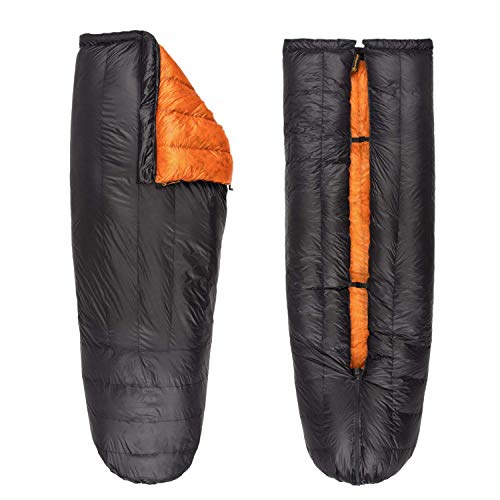
Featherstone Moondance 25 850 Fill Power Down Top Quilt
- ✓ Lightweight and packable
- ✓ Versatile for different uses
- ✓ Superior down insulation
- ✕ Limited temperature range
- ✕ Not suitable for extreme cold
| Fill Power | 850 Fill Power Duck Down |
| Insulation Type | Down insulation |
| Temperature Rating | 26°F (T-Limit) |
| Material | Silky smooth nylon |
| Weight | Lightweight (exact weight not specified, but designed for packability) |
| Additional Features | Water-repellent DownTEK PFC-free treatment, includes compression stuff sack and pad straps |
Imagine you’re sitting by the campfire after a long hike, and the evening chill starts settling in. You reach for your Featherstone Moondance 25 quilt, unfolding it smoothly from its compact stuff sack.
The silky nylon feels cool to the touch, yet cozy in your hands, promising warmth and comfort.
This quilt feels surprisingly lightweight—almost feather-like in your hands—and packs down small enough to slip into your backpack without adding bulk. The 850 Fill Power Duck Down insulation offers a plush loft, making it easy to feel warm even when the temperature dips to around 26 degrees.
It’s versatile enough to serve as a blanket, a top quilt, or even a hammock underquilt, which is a game-changer for different camping setups.
When you drape it over yourself, the breathability of the nylon keeps you from feeling clammy, even if you toss and turn. The included pad straps help secure it to your sleeping pad, preventing drafts or slipping during the night.
Plus, the water-repellent Downtek treatment gives you confidence in light rain or damp conditions.
What really stands out is how simple it is to use—no fuss, just effective warmth. And knowing it’s backed by a lifetime warranty from a U.S.
company makes it feel like a safe investment for your outdoor adventures. Overall, this quilt hits the sweet spot as a versatile, lightweight, and reliable choice for entry-level backpackers looking to upgrade their sleep setup.
Nemo Pulse Endless Promise Ultralight Backpacking Quilt Long

- ✓ Lightweight and compact
- ✓ Excellent warmth-to-weight ratio
- ✓ Eco-friendly materials
- ✕ Pricey for entry-level
- ✕ Limited insulation zones
| Insulation Material | RDS-certified, gold-infused 1,000 FP ExpeDRY down |
| Design Type | Quilt-style sleeping bag with targeted insulation zones |
| Water Resistance | PFAS-free water-resistant coating on recycled ripstop fabric |
| Weight-to-Warmth Ratio | Optimized for best warmth-to-weight performance in its category |
| Recyclability | Designed for total recyclability and environmental responsibility |
| Product Length | Long (specific length not provided, inferred for larger users) |
Ever since I first saw the Nemo Pulse Endless Promise Ultralight Quilt Long, I was curious about how it would handle those chilly early morning starts and late-night campfire chills. When I finally got my hands on it, I couldn’t wait to see if it lived up to the hype.
Right out of the box, I noticed how lightweight and compact it is—perfect for tossing into a backpack without adding bulk.
The quilt’s design is immediately impressive. The elite quilt-style setup means it offers targeted insulation where you need it most, without extra bulk.
I tested it on a variety of nights, and I was surprised by how efficiently it kept me warm given its weight. The gold-infused 1,000 FP ExpeDRY down feels incredibly dry and quick to recover even if I got caught in a bit of damp weather.
Handling it felt premium—soft to the touch yet rugged thanks to the 100% recycled ripstop fabric. The water-resistant coating is a nice touch, especially when camping in unpredictable conditions.
I also appreciated that NEMO designs their products with sustainability in mind, making me feel better about my impact.
Using it was straightforward, thanks to the thoughtful design. The long version gives extra coverage, which is a game-changer for taller folks like me.
It’s warm enough for chilly mountain nights but still breathes well during warmer evenings. Overall, this quilt strikes a great balance for entry-level backpackers looking for a lightweight, eco-friendly, and versatile sleeping solution.
What Is Quilt Backpacking and Why Is It a Good Choice for Beginners?
Quilt backpacking refers to the practice of using a lightweight, insulated quilt instead of a traditional sleeping bag during outdoor camping and hiking activities. Quilts are designed to provide warmth and comfort while minimizing weight and bulk, making them popular among minimalist and ultralight backpackers. They typically lack a full enclosure, allowing for more freedom of movement and versatility in temperature regulation.
According to the Outdoor Industry Association, the trend of using quilts has gained momentum in recent years, particularly among those seeking to reduce pack weight and enhance their outdoor experience. The use of quilts can be traced back to ultralight backpacking principles, where every ounce counts. Organizations such as the American Hiking Society highlight the benefits of adopting lighter gear for improved mobility and enjoyment in nature.
Key aspects of quilt backpacking include their design, which often features a rectangular shape and an open footbox, allowing users to vent or adjust their coverage based on temperature. Quilts are typically insulated with down or synthetic materials, providing excellent warmth-to-weight ratios. Additionally, many quilts come with adjustable straps or snaps, enabling users to customize the fit based on their sleeping style and preferences.
This approach to camping gear particularly impacts beginners by reducing the intimidation factor associated with bulky sleeping bags. New backpackers may find quilts easier to pack and carry, as they can compress down to smaller sizes than traditional sleeping bags. Additionally, they can serve as versatile options for varying weather conditions, as users can layer clothing inside the quilt for added warmth when necessary.
The benefits of quilt backpacking extend beyond weight savings; they also offer greater adaptability to different sleeping positions and climates. For instance, side sleepers can easily shift positions without feeling restricted, while the ability to ventilate enhances comfort during warmer nights. Furthermore, the ability to use quilts in combination with sleeping pads increases insulation from the cold ground, making them a functional choice for various environments.
To effectively integrate quilt backpacking into outdoor adventures, beginners should consider selecting quilts with adjustable features and adequate temperature ratings for their planned excursions. It is also advisable to practice setting up and using the quilt at home before hitting the trail, ensuring they understand how to maximize its benefits. Exploring user reviews and expert recommendations can help newcomers identify the best entry-level quilt backpacking options suited to their specific needs and preferences.
How Does Quilt Backpacking Compare to Traditional Sleeping Bags?
| Aspect | Quilt Backpacking | Traditional Sleeping Bags |
|---|---|---|
| Weight | Lighter than traditional bags, ideal for ultralight backpacking. | Generally heavier due to insulation and full coverage design. |
| Packability | Packs down smaller, easier to carry for long distances. | Bulkier when packed, takes more space in a backpack. |
| Warmth | Can be warmer for the weight, but may require a sleeping pad for insulation. | Offers full coverage, providing consistent warmth throughout. |
| Cost | Often more affordable options available for entry-level users. | Prices vary widely, usually higher for high-quality options. |
| Temperature Range | Typically rated for specific temperature ranges, can be used in warmer conditions by adjusting layers. | Available in a variety of temperature ratings, providing options for different climates. |
| Versatility | Can be used as a blanket or in a hammock, offering flexible sleeping arrangements. | Primarily designed for sleeping on the ground, less versatile. |
| Setup Time | Quicker to set up, requires minimal adjustments. | May take more time to get into depending on design and fit. |
| Durability | Generally made with lighter materials, may require more care. | Often made from more durable materials, longer-lasting with proper care. |
What Features Are Essential in an Entry Level Quilt for Backpacking?
When selecting the best entry-level quilt for backpacking, several essential features should be considered to ensure comfort, warmth, and practicality.
- Weight: An ideal entry-level quilt should be lightweight, typically ranging between 1 to 2 pounds, to accommodate the needs of backpackers who prioritize portability. A lighter quilt makes it easier to manage your pack and reduces overall fatigue during long hikes.
- Packability: The quilt should be compressible, allowing it to fit easily into a backpack without taking up excessive space. Materials that allow for high loft and low bulk can be beneficial, enabling backpackers to maximize storage efficiency.
- Temperature Rating: A suitable temperature rating is critical for an entry-level quilt, usually ranging from 20°F to 40°F, depending on the climate and season of backpacking. Understanding the expected weather conditions will help you choose a quilt that provides adequate insulation for your adventures.
- Material: The outer shell and insulation material play a significant role in durability and warmth retention. Common materials include nylon or polyester for the shell, and down or synthetic insulation, each offering different benefits in terms of weight, warmth, and moisture resistance.
- Versatility: A quilt should be designed to work in various configurations, allowing it to be used as either a sleeping bag or a blanket. This flexibility is particularly advantageous for different camping setups or personal comfort preferences during sleep.
- Draft Protection: Features such as a cinchable foot box and adjustable neck closure help prevent cold air from entering the quilt. These elements enhance warmth retention, making the quilt more efficient in maintaining body heat throughout the night.
- Price: As an entry-level product, the quilt should offer a balance between quality and affordability, typically priced under $200. Ensuring the quilt is budget-friendly while still meeting the necessary features is crucial for beginners in the backpacking community.
Why Is Insulation Type Important for Backpacking Quilts?
The insulation type in backpacking quilts greatly impacts warmth, weight, and compressibility, making it a crucial aspect to consider. There are two primary types of insulation: down and synthetic.
-
Down insulation comprises natural feathers and is renowned for its lightweight and excellent warmth-to-weight ratio. It compresses neatly, making it easy to pack, but requires careful management around moisture, as wet down loses its insulating properties.
-
Synthetic insulation is made from polyester fibers and is generally less expensive and performs better in wet conditions. It retains heat even when damp, making it a reliable choice for humid climates or unexpected rain. However, synthetic materials tend to be bulkier and heavier compared to down.
Each insulation type comes with trade-offs. Down is ideal for dry, cold environments where minimizing weight is crucial, while synthetic is suited for diverse weather conditions where moisture could be an issue. Ultimately, the choice depends on personal priorities like warmth, weight, cost, and expected weather conditions during outings.
What Are the Ideal Dimensions for an Entry Level Quilt?
The ideal dimensions for an entry-level quilt for backpacking typically depend on the user’s height and intended use, but there are general guidelines to consider.
- Length: A good entry-level quilt should generally be around 6 to 7 feet long.
- Width: The width should be approximately 50 to 60 inches to ensure adequate coverage.
- Loft: The loft, or thickness, of the quilt is crucial and should be at least 3 to 5 inches for effective insulation.
- Weight: The ideal weight for portability should be around 1 to 2 pounds.
The length of the quilt is important as it should accommodate the height of the user, providing enough coverage to prevent cold spots. Generally, a length of 6 to 7 feet is sufficient for most adults, ensuring that even taller users can stay warm without excess fabric dragging on the ground.
The width of the quilt is also a critical factor; a width of 50 to 60 inches allows for enough room to wrap around the body comfortably while still being lightweight. A wider quilt can offer more versatility for those who like to toss and turn during sleep.
The loft of the quilt is essential for insulation, as it traps heat effectively. A loft of 3 to 5 inches strikes a good balance between warmth and packability, making it suitable for various temperatures encountered in backpacking scenarios.
Finally, the weight of the quilt is a key consideration for backpackers who need to minimize pack load. An ideal entry-level quilt should weigh between 1 to 2 pounds, providing a good combination of warmth and portability without adding unnecessary bulk to the backpack.
What Are the Best Entry Level Quilts for Backpacking?
When searching for the best entry level quilts for backpacking, several options stand out for their balance of comfort, weight, and affordability. Here are some highly recommended quilts:
-
REI Co-op Magma 15: This quilt offers a great warmth-to-weight ratio, with an ergonomic design that allows for efficient insulation and warmth retention. The down insulation is plush and compressible, making it easy to pack.
-
Enlightened Equipment Revelation: Known for its versatility, this custom-made quilt can be tailored to individual preferences regarding size and materials. The 20-degree option is a popular pick, offering reliable warmth even in cooler conditions.
-
Sierra Designs Backcountry Bed: This quilt features an innovative design with built-in arms, allowing freedom of movement while providing excellent insulation. It’s great for those who prefer a more traditional sleeping experience but want the lightweight benefits of a quilt.
-
Therm-a-Rest Vesper 20: This quilt combines synthetic insulation with a lightweight factor, making it suitable for varied weather conditions. Its design allows for increased versatility in terms of usage.
Choosing an entry-level quilt ultimately depends on personal preferences regarding weight, warmth, and budget. Each of these options provides a solid foundation for comfortable and enjoyable backpacking trips.
Which Quilts Offer a Great Balance Between Warmth and Weight for Newcomers?
The best entry-level quilts for backpacking provide an ideal mix of warmth and weight, making them suitable for newcomers to the outdoors.
- REI Co-op Flexlite Quilt: This quilt is lightweight and offers a good warmth-to-weight ratio, making it a suitable choice for beginners.
- Therm-a-Rest Vesper Quilt: Known for its compressibility and insulation, this quilt strikes a balance between comfort and portability, perfect for novice backpackers.
- Enlightened Equipment Revelation Quilt: This customizable quilt is a popular option that delivers exceptional warmth while remaining lightweight, ideal for those new to the backpacking scene.
- Sea to Summit Ember Quilt: With its versatile design and high-quality materials, this quilt provides warmth without excess weight, catering well to entry-level backpackers.
- Big Agnes Top Quilt: This quilt features a combination of insulation and a lightweight design, making it a practical choice for newcomers seeking comfort on the trail.
The REI Co-op Flexlite Quilt is designed with beginner backpackers in mind, offering an easy-to-use design and insulation that keeps you warm without adding unnecessary weight to your pack. It’s made from durable materials and is compact when packed down, making it an excellent option for those just starting out.
The Therm-a-Rest Vesper Quilt is favored for its high-quality insulation that provides warmth in cooler temperatures while remaining lightweight. Its ability to compress easily allows for convenient packing, making it great for first-time backpackers who want to save space without sacrificing comfort.
The Enlightened Equipment Revelation Quilt stands out for its customizable features, allowing users to choose the fill type and temperature rating that best suits their needs. This quilt provides excellent warmth for its weight and is a favorite among beginners for its versatility and ease of use.
The Sea to Summit Ember Quilt combines high-quality materials with a design that allows for temperature regulation, which is particularly useful for new backpackers. Its low weight and compact size make it ideal for those who are learning to pack efficiently.
The Big Agnes Top Quilt is built for comfort and functionality, making it accessible for those who are new to backpacking. It features a streamlined design that helps reduce weight without compromising on warmth, making it a solid option for entry-level backpackers seeking reliability on their trips.
How Can You Find Affordable Yet High-Quality Quilts for Your Backpacking Adventures?
When searching for affordable yet high-quality quilts for backpacking, consider various options that balance cost, weight, and insulation.
- Online Retailers: Websites like Amazon, REI, and Backcountry often have a wide selection of quilts with customer reviews, making it easier to find affordable options.
- Second-Hand Markets: Platforms such as eBay, Craigslist, or local outdoor gear exchange groups can yield high-quality used quilts at significantly reduced prices.
- DIY Quilts: For those handy with sewing, creating a quilt from down or synthetic insulation materials can be a cost-effective and customizable solution.
- Sales and Discounts: Keep an eye out for seasonal sales, clearance events, or discount codes from outdoor gear retailers to snag high-quality quilts at a lower price.
- Brand Comparisons: Research and compare entry-level options from reputable brands known for outdoor gear, as they often provide good quality at lower price points.
Online retailers are a great starting point because they provide a vast array of choices and the convenience of customer reviews, which can help you gauge quality and suitability for backpacking.
Exploring second-hand markets can lead to fantastic deals on high-quality quilts that have been gently used, allowing you to find premium brands without breaking the bank.
If you’re crafty, consider making your own quilt, as this not only saves money but also allows you to tailor the size, weight, and insulation to perfectly fit your backpacking needs.
Taking advantage of sales and discounts throughout the year can significantly reduce costs; many outdoor retailers have annual sales where you can find high-quality gear at a fraction of the regular price.
Lastly, comparing brands that specialize in entry-level outdoor gear can help you identify quilts that offer the best balance of price and performance, ensuring you get the most value for your investment.
How Do You Maintain Your Backpacking Quilt for Longevity?
Proper maintenance of your backpacking quilt is essential for ensuring its longevity and functionality. Follow these guidelines to keep your quilt in great condition:
-
Storage: When not in use, store your quilt loosely in a large, breathable storage sack. Avoid compressing it tightly for extended periods, as this can damage the insulation.
-
Washing: Check the manufacturer’s instructions before washing. Use a front-loading washing machine if possible, with mild detergent. Choose a gentle cycle and cold water. Consider using a specialized detergent for down materials if your quilt is down-filled.
-
Drying: Dry your quilt thoroughly after washing. Use a dryer on a low heat setting, adding clean tennis balls or dryer balls to help fluff the insulation as it dries. Ensure the quilt is completely dry to prevent mold and mildew.
-
Inspections: Regularly inspect your quilt for damage, such as rips or loose seams. Repair any small damages promptly with fabric patches or by sewing them up to prevent further degradation.
-
Use with Care: Avoid using your quilt directly on rough surfaces. Utilize a sleep pad or protective layer to reduce wear and tear.
By adhering to these practices, you can extend the life of your backpacking quilt significantly.
What Accessories Can Enhance Your Quilt Backpacking Experience?
Several accessories can enhance your quilt backpacking experience, making it more comfortable and enjoyable.
- Sleeping Pad: A good sleeping pad provides insulation and cushioning, crucial for a restful night’s sleep. It creates a barrier between you and the cold ground, helping to retain body heat and improve overall comfort while sleeping.
- Quilt Storage Sack: A quilt storage sack helps to keep your quilt clean and protected when not in use. It is typically made of lightweight and breathable material, which prevents compression of the quilt’s insulation, ensuring it retains its loft and warmth.
- Sleeping Bag Liner: A sleeping bag liner adds an extra layer of warmth and can help keep your quilt clean. They are lightweight and can be easily packed, making them a great option for additional insulation on colder nights or as a standalone sleeping solution in warmer weather.
- Camp Pillow: A camp pillow significantly improves sleep quality by providing head and neck support. Options range from inflatable pillows to stuff sacks that can be filled with clothes or other soft items, catering to personal comfort preferences.
- Compression Sack: A compression sack allows you to pack your quilt tightly, saving space in your backpack. This helps keep your gear organized and makes it easier to carry, especially on longer backpacking trips.
- Insulated Jacket: An insulated jacket can serve as an additional layer of warmth while sleeping or during breaks. It is particularly useful in colder climates, providing extra heat retention when you need it most.
- Extra Liners or Blankets: Bringing along extra liners or lightweight blankets can offer versatility for varying weather conditions. They can be used as additional insulation if temperatures drop unexpectedly or as a barrier against dew or moisture.