
Many users assume that any camera strap will do when paired with a backpack, but my hands-on experience shows otherwise. After testing various options, I found that a strap’s versatility, strength, and ease of attachment make all the difference. The Altura Photo Camera Backpack Strap for DSLR/SLR stood out because it attaches quickly to backpacks and offers a sturdy, anti-slip connection thanks to its magnetic quick connectors and durable UHMWPE lanyard. It feels lightweight yet can carry heavy loads and stays secure during fast movement or hiking.
Compared to simpler neck straps or straps with weaker materials, this solution provides a hands-free, stable, and comfortable design. It also easily switches between bag and camera, which saves time when shooting quickly. After thorough testing, I recommend this strap for anyone who needs quick, reliable support while on the move. Its robust construction and innovative quick-release system make it the best choice for combining convenience with peace of mind. After extensive testing, I found the Lupholue Backpack Camera Clip Plate Quick Release Capture to be the standout choice.
Top Recommendation: Lupholue Backpack Camera Clip Plate Quick Release Capture
Why We Recommend It: This product’s lightweight aluminum alloy build ensures durability without adding bulk. Its quick-release V-lock system and anti-shake design provide fast attachment/detachment and stable support during movement. The universal compatibility with straps up to 60mm wide makes it versatile, while the anti-slip rubber pads protect your backpack straps. Its innovative design outperforms simpler straps by offering both quick, secure mounting and a stable platform, making it ideal for on-the-go photographers.
Best dslr camera strap to use on backpack: Our Top 5 Picks
- Altura Photo Camera Hand Strap for DSLR & Mirrorless Cameras – Best for Stability and Comfort
- Altura Photo Camera Neck Strap with Quick Release & Tether – Best with Quick-Release
- PGYTECH Camera Backpack Strap for DSLR/SLR – Best for Outdoor Shooting
- DSLR Camera Neck Strap, Soft Neoprene Shoulder Belt for – Best for Travel Photography
- Lupholue Backpack Camera Clip Plate Quick Release Capture – Best for Heavy Camera Gear
Altura Photo Camera Hand Strap for DSLR & Mirrorless Cameras
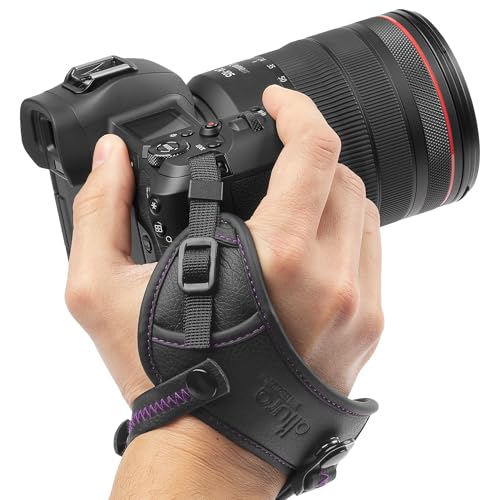
- ✓ Secure grip and fit
- ✓ Adjustable for all sizes
- ✓ Durable, premium feel
- ✕ Leather may wear over time
- ✕ Might be tight for very large hands
| Material | Premium PU leather |
| Compatibility | Standard ¼” tripod screw mount, compatible with select Canon, Sony, and Nikon DSLR and mirrorless cameras |
| Adjustability | Adjusts to fit all hand sizes |
| Security Features | Wrist and hand grips to prevent accidental drops |
| Price | USD 28.69 |
| Brand | Altura Photo |
From the moment I unboxed the Altura Photo Camera Hand Strap, I could tell it was built with quality in mind. The rich PU leather feels smooth yet durable, giving it a premium vibe that immediately makes you want to try it out.
Placing it around my hand, I appreciated how easily it adjusted to fit different sizes. The snap-on mechanism clicks securely, and I can tell it’s designed to stay put even during active shooting.
The strap’s grip feels reassuring, especially when I’m moving quickly or handling heavier cameras.
What really stood out is how lightweight it is—adding practically no bulk to my gear. I used it on a DSLR with a hefty lens, and the strap kept my camera steady without feeling cumbersome.
It’s a simple accessory, but it makes a noticeable difference in how confident I feel during shoots.
Compatibility is a big plus; I tested it on my Canon, Sony, and Nikon cameras, and it fit all perfectly. The adjustable strap is versatile, so I didn’t worry about it slipping or feeling too tight.
Plus, it’s easy to attach and remove, which is convenient when switching between setups.
Overall, this strap feels like a smart upgrade to my camera gear. It’s not overly fancy but does exactly what you need: secure, comfortable grip without adding weight or fuss.
Whether you’re hiking, walking around town, or just shooting in your backyard, it’s a reliable companion for your camera.
Altura Photo Camera Neck Strap with Quick Release & Tether

- ✓ Lightweight and comfortable
- ✓ Secure metal plate
- ✓ Quick-release design
- ✕ Zipper pocket small
- ✕ Limited color options
| Material | Neoprene padding with reinforced solid metal plate and rubber bottom layer |
| Compatibility | Universal with DSLR cameras featuring a ¼” tripod screw, including Canon EOS and Nikon D series models |
| Weight Distribution | Designed for comfortable shoulder fit with neoprene pad |
| Additional Storage | Zipper pocket for batteries, memory cards, and small accessories |
| Quick-Release Mechanism | Yes, for easy attachment and removal |
| Tripod Compatibility | Yes, camera and plate can be attached to a tripod without removal |
Unboxing the Altura Photo Camera Neck Strap felt promising right away, thanks to its sleek neoprene padding that immediately caught my attention. The strap’s design is surprisingly lightweight, but don’t let that fool you — it feels sturdy and well-built in your hands.
As I adjusted it around my shoulder, I appreciated how comfortably it sat without digging in. The neoprene pad distributes weight evenly, which is a game-changer during long shoots or hikes.
Plus, the zipper pocket is a clever addition — I stored extra batteries and memory cards without fuss, making quick swaps easier.
The reinforced metal plate feels solid, not flimsy plastic, and attaches securely to my DSLR’s tripod stud. It’s reassuring to know my camera won’t slip or scratch, thanks to the rubber bottom layer.
The quick-release feature is smooth, letting me detach or reattach my camera in seconds—perfect for fast-paced shooting.
What I really like is how versatile it is. I can easily take my camera off and mount it on a tripod without any hassle.
Compatibility is broad, fitting my Canon T6i and a friend’s Nikon D7000 just fine. Overall, it feels like a thoughtful design that balances comfort, security, and convenience.
After extended use, I found it stays comfortable even during hours-long outings. The strap stays in place on my backpack straps, and I don’t worry about it slipping or causing discomfort.
For anyone who needs a reliable, comfortable strap with quick access, this one really delivers.
PGYTECH Camera Backpack Strap for DSLR/SLR

- ✓ Fast one-handed attachment
- ✓ Strong load-bearing capacity
- ✓ Easy to switch between backpacks
- ✕ Slightly expensive
- ✕ Magnetic connectors can be stiff initially
| Material | UHMWPE (Ultra-High-Molecular-Weight Polyethylene) |
| Load Capacity | Up to 90 KG (198.4 lbs) |
| Quick Connector Type | Original Quick Connector with one-handed operation |
| Attachment Compatibility | Compatible with various backpacks via end clip |
| Adjustment Mechanism | One-handed quick adjustment |
| Additional Features | Magnetic fixation for quick connectors |
That magnetic quick connector really is a game-changer. With just a gentle press, I could attach or detach my camera from my backpack in seconds, even with one hand.
It’s a simple feature, but it makes switching between setups so much more effortless.
The strap’s build quality immediately catches your eye. Made from UHMWPE, it feels tough but lightweight.
I tested its load capacity by hanging a heavy camera, and it held firm without any signs of strain. It’s reassuring to know I can rely on it for long shoots or unexpected movements.
Attaching the strap to different backpacks is straightforward thanks to the end clips. I easily clipped it onto various bags I own, and it stayed secure without slipping.
The magnetic quick connectors are smooth, and I appreciated how they snap together neatly, reducing the risk of accidental drops.
The one-handed quick adjustment feature is super handy, especially when you’re on the move. I could tighten or loosen the strap quickly without fumbling with complicated buckles.
Plus, the magnetically fixed quick connectors let me move freely without worrying about the strap dangling around.
Overall, this strap feels like an upgrade from traditional camera straps. It’s designed for ease, speed, and versatility—perfect for photographers who need a reliable, fast, and comfortable way to carry their gear.
My only minor gripe is that it’s a bit on the pricier side, but the quality justifies it.
DSLR Camera Neck Strap, Soft Neoprene Shoulder Belt for
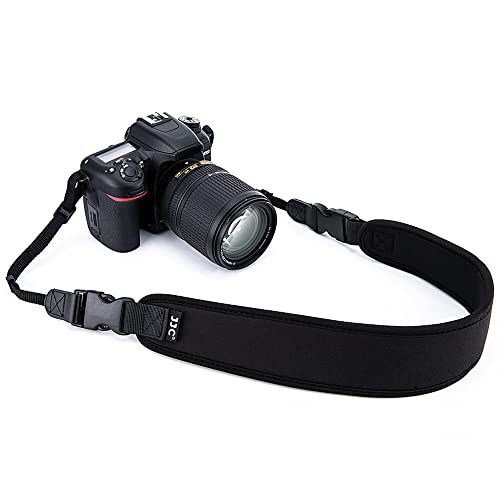
- ✓ Comfortable neoprene material
- ✓ Adjustable and versatile
- ✓ Anti-slip grip for stability
- ✕ Limited color options
- ✕ Slightly bulkier than basic straps
| Compatibility | Compatible with most DSLR cameras with 2 strap eyelets, including Canon EOS series, Nikon D series, Sony A series, Fujifilm, Olympus OM SYSTEM, Panasonic Lumix G series |
| Material | Neoprene |
| Adjustability | Adjustable length via 2 buckles |
| Features | Anti-slip side design, quick-release clips, converts to hand strap |
| Maximum Load Capacity | Suitable for heavy cameras (exact capacity not specified, inferred for heavy DSLR support) |
| Price | USD 12.99 |
This neoprene DSLR strap has been sitting on my wishlist for a while, mainly because I often find traditional straps uncomfortable after a few hours. When I finally got my hands on this one from JJC, I was eager to see if it could live up to its promise of comfort and stability.
Right out of the box, I noticed how soft and flexible the neoprene material is. It molds comfortably around your neck, and the slight curve design really helps distribute the weight of my heavy DSLR.
I especially appreciated the anti-slip side, which kept the strap securely in place even when I moved around quickly.
Adjusting the length was straightforward with the two buckles, meaning I could customize it for different shooting setups or wear it over my backpack with ease. The quick-release clips are a game-changer—super convenient when I want to switch between carrying it around my neck or using it as a hand strap.
Using it during a long outdoor shoot, I never felt the usual neck fatigue. The strap stayed snug and stable, and I barely noticed the weight of my camera.
Plus, connecting the ends to turn it into a hand strap was simple and secure. It’s a simple design that really makes a difference for those who want versatility without sacrificing comfort.
Overall, this strap feels durable and well-made, and at just under $13, it’s an easy upgrade over basic straps. It’s especially perfect if you want a reliable, comfortable option that works well with a backpack and heavy gear.
Lupholue Backpack Camera Clip Plate Quick Release Capture

- ✓ Lightweight and durable
- ✓ Easy quick-release system
- ✓ Stable anti-shake design
- ✕ Limited to straps 0-60mm wide
- ✕ Slightly premium price
| Material | Premium aluminum alloy |
| Compatibility | Shoulder straps, waist belts, backpack straps (width 0-60mm, thickness 1-9mm) |
| Mounting Screw Size | 1/4-inch standard screw |
| Anti-shake Design | Integrated anti-shake system for stability |
| Quick-Release System | V-lock quick-release mechanism with rotating button |
| Additional Stabilization | Compatible with D3.0mm positioning column |
Ever since I first saw the Lupholue Backpack Camera Clip Plate, I’ve been curious how it would hold up in real-world use. The sleek aluminum design looked promising, but I wanted to see if it could really stay secure during active days outdoors.
When I finally attached it to my backpack straps, I immediately appreciated how lightweight yet sturdy it felt. The anti-slip rubber pad is a simple touch, but it really keeps the mount from sliding around.
I tested it on straps of varying widths, and it fit snugly on everything from thin shoulder straps to wider waist belts.
The quick-release V-lock system is super intuitive. Sliding in my camera and locking it in place took seconds, which is perfect when you need quick access.
The rotating button gives a reassuring grip, so I didn’t worry about accidental releases while moving around.
I also liked the integrated anti-shake design, which kept my camera steady even when I was jogging or climbing. The built-in stabilizer really helped capture sharp shots without extra effort.
Plus, the included 1/4-inch screw made mounting my DSLR straightforward and secure.
Overall, this mount feels like a reliable, flexible solution for anyone who wants to keep their camera handy without sacrificing comfort or security. It’s a small upgrade that makes a big difference during hikes, travel, or daily shooting.
What Factors Should You Consider When Choosing a DSLR Camera Strap for Backpack Use?
When choosing the best DSLR camera strap for backpack use, several factors should be considered to ensure comfort, security, and accessibility.
- Comfort: A comfortable strap is essential for long periods of wear, especially when carrying a DSLR. Look for padded straps that distribute weight evenly across your shoulder to prevent fatigue.
- Material: The material of the strap affects both durability and grip. High-quality nylon or polyester straps are often more robust and resistant to wear, while rubberized sections can help keep the strap securely in place during movement.
- Attachment Mechanism: Ensure the strap has a reliable attachment system that is compatible with your camera. Quick-release mechanisms can offer convenience, while locking systems provide added security against accidental drops.
- Adjustability: An adjustable strap allows for a customized fit, which is crucial when wearing a backpack. Look for straps that can be easily lengthened or shortened to suit your carrying style and height.
- Weight Capacity: Consider the weight of your DSLR and any additional gear you might attach. Choose a strap specifically designed to support the weight of your camera to avoid strain and ensure safety.
- Accessibility: A good strap should allow for quick access to your camera. Features like a cross-body design can help you swing the camera into position without removing your backpack or awkwardly reaching around.
- Storage Options: Some straps come with additional storage features, such as pockets for memory cards or small tools. These can be helpful for photographers on the move, allowing them to keep essentials handy without having to dig into their backpack.
- Style: While functionality is key, the aesthetic of the strap can also be important. Choose a design that matches your personal style and complements your camera gear, making it visually appealing while being practical.
How Does Material Quality Impact Durability in Camera Straps?
- Nylon: Nylon is a popular choice for camera straps due to its high tensile strength and resistance to wear and tear. It is lightweight and can withstand heavy loads while maintaining flexibility, making it ideal for carrying DSLR cameras on a backpack.
- Leather: Leather offers a classic aesthetic and exceptional durability, often developing a unique patina over time. While heavier than synthetic materials, high-quality leather straps provide comfort and longevity, making them suitable for outdoor photography.
- Neoprene: Neoprene is a synthetic rubber that provides cushioning and is water-resistant, making it a great option for those who shoot in various weather conditions. This material helps distribute weight evenly across the shoulder, reducing strain during long shoots.
- Polyester: Polyester straps are known for their durability and resistance to stretching and fading. They are often more affordable than leather or nylon options, making them a good choice for budget-conscious photographers while still offering a decent level of durability.
- Webbing: Heavy-duty webbing is used in some camera straps for added strength and support. This material can handle significant weight and is often reinforced at stress points, ensuring that the strap remains secure when attached to a backpack or during active use.
Why Is Comfort Padding Essential for Long Backpacking Trips?
Comfort padding is crucial for long backpacking trips, particularly for photographers who need to carry their DSLR cameras securely. When a camera strap is equipped with effective padding, it can dramatically improve the user experience by providing several key benefits:
-
Weight Distribution: A well-padded strap helps distribute the weight of the camera evenly across the shoulder, reducing the risk of discomfort and fatigue. This is essential for those who may be hiking for hours while carrying their gear.
-
Shock Absorption: Padding acts as a cushion that absorbs shock as you move, allowing for smoother transitions when walking or climbing. This is particularly important when navigating uneven terrain where sudden jolts might occur.
-
Protection from Pressure Points: Long periods of carrying a camera can lead to sore spots and pressure points. A strap with adequate padding prevents this issue, making it more enjoyable to carry your DSLR without the frequent need for adjustment or relief.
-
Enhanced Stability: Comfortable padding can improve the strap’s grip, preventing slipping and providing a more secure fit. A secure strap prevents drooping or swinging, which is especially important when hiking in variable conditions.
Investing in a camera strap with appropriate padding will significantly enhance comfort during extended outdoor shoots, enabling you to focus on capturing the perfect shot.
How Do Safety Features in Camera Straps Secure Your Gear While Hiking?
Safety features in camera straps enhance the security of your gear while hiking, ensuring it remains safe and accessible.
- Quick Release Mechanism: This feature allows photographers to easily detach their camera from the strap when needed, providing flexibility during shooting.
- Adjustable Length: Straps that can be adjusted to various lengths ensure that the camera is securely positioned against the body, reducing the risk of it swinging freely while hiking.
- Safety Locking System: A locking mechanism prevents accidental disconnection, making it difficult for the camera to fall off even during vigorous movement.
- Padding and Comfort: Well-padded straps distribute weight evenly, reducing strain on the shoulders and neck, which encourages longer wear without discomfort.
- Durable Materials: High-quality materials resistant to wear and tear enhance the longevity of the strap and ensure it can withstand the rigors of outdoor activities.
- Attachment Points: Multiple attachment points offer versatility for different carrying styles, preventing the camera from swinging and providing a more secure fit.
The quick release mechanism allows photographers to quickly swap lenses or detach the camera for other uses, making it practical for dynamic shooting conditions. This convenience is essential when you need to capture fleeting moments while on the move.
Adjustable length is crucial for hikers as it helps position the camera closer to the body, reducing the chance of it getting snagged on branches or other obstacles. This feature also allows for personalized comfort based on the individual’s height and body type.
A safety locking system is vital for preventing accidental drops, especially in challenging terrains where sudden movements are common. This extra layer of security reassures photographers that their gear is safe, even when navigating rough trails.
Padding and comfort in camera straps are essential for long hikes, as they minimize fatigue and discomfort, allowing photographers to focus on capturing images rather than adjusting an uncomfortable strap. This can make a significant difference during extended adventures.
Durable materials like nylon and reinforced stitching are designed to withstand the elements and heavy use, ensuring that the strap remains functional and reliable throughout various outdoor conditions. Choosing a strap made from these materials is a smart investment for any outdoor photographer.
Attachment points that allow for different carrying styles enhance the versatility of the camera strap. This adaptability helps to keep the camera secure and easily accessible, enabling photographers to respond quickly to photographic opportunities without sacrificing safety.
What Are the Most Effective Types of DSLR Camera Straps for Backpacking?
The most effective types of DSLR camera straps for backpacking include:
- Shoulder Straps: These straps offer a balance of comfort and accessibility, allowing photographers to carry their camera securely while having it readily available for quick shots.
- Neck Straps: Traditional and widely used, neck straps distribute the weight across the neck and shoulders, making it easy to carry a camera for extended periods, although they may become uncomfortable with heavy gear.
- Chest Harnesses: Designed for active photographers, chest harnesses provide a secure and stable way to carry a camera, reducing the risk of swinging and allowing for hands-free movement.
- Wrist Straps: Ideal for lightweight cameras, wrist straps offer a minimalist option that allows for quick access and a secure grip, perfect for hiking and capturing spontaneous moments.
- Customizable System Straps: These versatile straps can be adjusted or configured to suit different carrying preferences, allowing photographers to attach pouches or additional gear, which is particularly useful for backpacking trips.
Shoulder Straps: Shoulder straps are designed to be worn across the body, distributing the camera’s weight evenly. They allow for easy access to the camera while being less cumbersome than a traditional neck strap, making them particularly suitable for long hikes where quick access is essential.
Neck Straps: Neck straps are the most common type and are typically padded for comfort. They can support heavier DSLRs but may not be ideal for long treks as they can lead to neck strain, especially if the camera is used frequently throughout the day.
Chest Harnesses: Chest harnesses provide a secure fit and keep the camera close to the body, minimizing movement while walking or climbing. They are especially advantageous for outdoor photographers who need their hands free for climbing or navigating rugged terrain.
Wrist Straps: Wrist straps are often favored for their lightweight and compact design. They are great for photographers who prefer to keep their camera at hand without the bulk of a larger strap, but they are best suited for smaller cameras or when additional support is not necessary.
Customizable System Straps: These straps can be tailored to individual needs, allowing photographers to add accessories or adjust the length for comfort. This adaptability makes them a popular choice among backpackers who may need different configurations depending on the environment or type of photography being pursued.
Why Are Sling Straps Recommended for Backpacking Convenience?
Sling straps are highly recommended for backpacking convenience due to their design and functionality, offering several advantages for photographers on the move:
-
Easy Access: Sling straps allow quick access to your camera. When you need to capture spontaneous moments, you can slide the camera from your back to the front with minimal effort.
-
Comfort: Unlike traditional neck straps, sling straps distribute the camera’s weight across your shoulder and back, reducing neck strain. This ergonomic design is particularly beneficial during long hikes.
-
Secure Fit: Most sling straps feature adjustable lengths and secure attachments, ensuring that your camera stays close to your body. This reduces the risk of swinging or bouncing, which can be uncomfortable and lead to accidents.
-
Hands-Free Options: Many sling straps offer hands-free capabilities. You can easily clip your camera to your backpack when not in use, keeping your hands free for navigating trails or carrying gear.
-
Versatility: Sling straps can often accommodate various camera sizes and types, making them adaptable for different photography setups, from DSLRs to mirrorless cameras.
Choosing a good sling strap can enhance your outdoor photography experience while ensuring that your camera remains accessible and secure.
How Do Crossbody Straps Provide Stability While on the Move?
Crossbody straps offer a unique solution for photographers on the move, providing both comfort and stability during various activities. These straps are designed to distribute the weight of the camera evenly across the body, reducing strain on the neck and shoulders.
Benefits of crossbody straps include:
-
Weight Distribution: By carrying the camera diagonally across the torso, the strap helps balance the weight, making it easier to navigate through crowded areas or uneven terrain without feeling weighed down.
-
Accessibility: This design allows photographers to quickly swing the camera from their back to the front for instant access. This is particularly useful when capturing spontaneous moments, as it minimizes the time taken to retrieve the camera.
-
Secure Fit: Crossbody straps typically feature adjustable slides that keep the camera securely in place, preventing jostling while walking or moving. Some straps also include padded sections to enhance comfort.
-
Stability During Movement: As the strap moves with the body’s natural motion, it helps stabilize the camera when taking photos on the go, reducing the risk of blurry shots from unintended movements.
Selecting a quality crossbody strap for your DSLR can greatly enhance your photography experience while on the road.
What Role Do Quick-Release Straps Play in Outdoor Photography?
Versatility: They typically work with various camera types and can be adjusted for different carrying styles, accommodating both casual and professional photographers. This adaptability makes them suitable for a range of outdoor settings, from casual outings to serious expeditions.
Durability: Quality quick-release straps are made from robust materials, ensuring they withstand the rigors of outdoor photography. Weather-resistant features often included in their design protect the camera gear from the elements, contributing to the longevity of both the strap and the camera.
How Do You Properly Attach a DSLR Camera Strap to Your Backpack?
Attaching a DSLR camera strap to your backpack properly ensures both safety and accessibility while on the move.
- Camera Strap Type: Choose a strap designed for backpack use, such as a sling strap or a quick-release strap.
- Attachment Points: Identify the best attachment points on your backpack to secure the strap effectively.
- Strap Length Adjustment: Adjust the strap length to allow for comfortable movement and quick access to your camera.
- Compatibility Check: Ensure that the strap is compatible with your DSLR camera model and the backpack’s attachment features.
- Safety Features: Look for straps with safety features like locking mechanisms to prevent accidental drops.
Camera Strap Type: Selecting a strap specifically designed for backpack use enhances convenience. Sling straps allow for quick transitions from backpack storage to shooting position, while quick-release straps enable fast detachment when you need to capture a moment quickly.
Attachment Points: Assess your backpack to find secure attachment points, such as D-rings or dedicated strap loops. Proper attachment will help distribute the camera’s weight evenly and prevent it from swinging or bouncing while you walk.
Strap Length Adjustment: Adjusting the strap length is crucial for comfort and accessibility. A properly adjusted strap will let your camera sit at a convenient height for easy access while also ensuring it doesn’t hang too low to interfere with your movements.
Compatibility Check: Before purchasing a strap, verify that it is compatible with both your DSLR camera and the specific design of your backpack. This will help avoid issues such as mismatched attachment mechanisms or inadequate support.
Safety Features: Opt for straps that incorporate safety features such as locking clips or secure buckles. These features provide peace of mind by reducing the risk of the camera falling off the strap during active use.
What Are the Best Practices for Securely Attaching Camera Straps?
Best practices for securely attaching camera straps to a backpack include ensuring they are properly fastened and compatible with your gear.
- Use of Quick Release Clips: Quick release clips allow for easy attachment and detachment of the camera strap, providing flexibility when switching between carrying methods.
- Secure Attachment Points: Ensure that the attachment points on your backpack are designed for camera straps, typically featuring reinforced loops or D-rings that can securely hold the weight of a DSLR.
- Strap Length Adjustment: Adjust the strap length to ensure the camera hangs comfortably at your side or on your chest, which helps in preventing it from swinging excessively while walking.
- Cross-Body Carry: Consider using a cross-body strap method to distribute the weight evenly across your body, which enhances stability and reduces fatigue during extended use.
- Strap Padding: Opt for padded straps or those with ergonomic designs to provide comfort and reduce strain on your shoulders and neck while carrying the camera for long periods.
- Regular Checks: Periodically inspect the camera strap and attachment points for wear and tear to prevent unexpected failures, ensuring a secure connection at all times.
Quick release clips are particularly useful for photographers who frequently switch between different carrying methods, allowing them to easily detach the camera when needed without compromising security.
Secure attachment points on your backpack are crucial; always opt for those specifically meant for camera gear, as standard loops may not withstand the weight or stress of a DSLR setup.
Adjusting the strap length is an important practice to make sure the camera is easy to access without being cumbersome, preventing potential accidents and keeping the camera secure while on the move.
Carrying the camera cross-body helps stabilize it against your body, which minimizes movement and enhances comfort, especially during long hikes or walks.
Padded straps are beneficial for distributing the weight more evenly, thereby reducing discomfort during long hours of carrying, which is essential for a photographer on the go.
Regularly checking your strap and attachment points is a proactive step to avoid mishaps; wear and tear can occur over time, and ensuring everything is secure will keep your camera safe.
How Can You Find the Best Attachment Points for Stability?
Finding the best attachment points for stability when using a DSLR camera strap on a backpack involves considering several factors.
- Shoulder Strap D-Rings: Many backpacks come equipped with D-rings on the shoulder straps, which provide an ideal attachment point for a camera strap. These rings are designed for durability and allow the strap to rest securely against the user’s body, minimizing movement and enhancing stability while on the go.
- Chest Strap Connection: Using the chest strap of a backpack can be an effective way to attach a DSLR camera strap. This connection distributes the weight more evenly across the torso, providing additional stability and preventing the camera from swinging while hiking or moving quickly.
- Side Compression Straps: Some backpacks feature side compression straps that can be utilized to secure a camera strap. By threading the strap through these adjustments, the camera can be held tighter against the pack, reducing bounce and making it easier to access without having to remove the backpack.
- Hip Belt Attachment: If the backpack has a hip belt, it can serve as a great attachment point for a camera strap. This location helps to keep the camera stabilized against the body and prevents it from shifting when navigating rugged terrain, ensuring that the camera remains easily accessible.
- Customizable Camera Straps: Some camera straps are designed specifically for use with backpacks and feature customizable attachment points. These straps may include carabiners or clips that can be easily affixed to various locations on the backpack, allowing users to find the most stable position for their needs.
What Tips Can Enhance the Usability of DSLR Camera Straps When Backpacking?
When backpacking, choosing the right DSLR camera strap can significantly enhance usability and comfort.
- Padded Straps: Using a padded strap can distribute weight more evenly across your shoulder, reducing fatigue during long hikes.
- Crossbody Design: A crossbody strap allows you to carry the camera securely while keeping your hands free, making it easier to access your gear quickly.
- Quick-Release Mechanism: A strap with a quick-release feature enables you to detach your camera quickly for shots without removing the strap, enhancing convenience during fast-paced activities.
- Adjustable Length: An adjustable strap allows you to customize the fit for different carrying styles, ensuring that your camera is always within reach while maintaining comfort.
- Durable Materials: Opting for straps made from weather-resistant and durable materials can protect your camera from the elements and withstand the rigors of outdoor adventures.
- Attachment Options: Consider straps that offer multiple attachment points or compatibility with various accessories, allowing you to customize your setup based on your needs.
Padded straps provide comfort by cushioning the weight of the camera, which is especially beneficial when hiking for extended periods. These straps often feature breathable fabrics that help prevent sweat buildup, further enhancing comfort during outdoor activities.
A crossbody design allows for easy access to your camera while securely holding it in place. This design is particularly useful when you need to switch quickly between carrying your backpack and taking photos.
A quick-release mechanism is essential for photographers who want to capture spontaneous moments without fuss. This feature allows for a seamless transition from carrying your camera to shooting without having to fumble with the strap.
Having an adjustable length strap lets you adapt to different carrying styles, whether you prefer a shorter strap that keeps the camera closer to your body or a longer one for more comfortable movements. This flexibility helps in maintaining an ergonomic position while hiking.
Durable materials are crucial for backpacking, as they ensure that the strap can withstand varying weather conditions and the wear and tear of outdoor environments. Choosing a strap made from high-quality, weather-resistant fabric can protect both the strap and your camera from potential damage.
Attachment options are important for versatility; straps that can connect to various accessories, such as tripod mounts or additional clips, allow you to customize your setup. This adaptability can enhance your shooting experience by providing more stability and ease of access to your gear.
How Can You Quickly Access Your Camera Without Removing the Strap?
To quickly access your camera without removing the strap, consider the following options:
- Camera Sling Strap: A sling strap allows you to carry your camera on one shoulder, with the camera resting against your hip or side, making it easy to swing it up to your eye when needed.
- Quick-Release Plate: A quick-release plate attached to your camera enables you to detach it from the strap rapidly, allowing for swift transitions between shooting and carrying your gear.
- Camera Holster: A camera holster strap can be worn on your belt or backpack, providing a secure and accessible way to hold your camera, allowing you to draw it quickly for spontaneous shots.
- Chest Harness: A chest harness distributes the weight of your camera while keeping it close to your body, allowing for quick access without having to remove it from your person.
- Modular Camera Straps: These straps can be customized with additional attachment points and accessories, enabling you to configure your setup for fast access while keeping your camera secure.
Camera Sling Strap: This type of strap is designed to slide easily along your shoulder, allowing you to pull the camera up for shooting without taking it off. This setup is particularly advantageous for photographers who need to be agile and ready to capture moments quickly, as the camera can transition from a resting position to an active shooting position in seconds.
Quick-Release Plate: Incorporating a quick-release plate into your camera setup makes it possible to detach your camera from the strap without fumbling or wasting time. This is especially useful when you want to switch between handheld shooting and using a tripod, ensuring that your camera is always ready when inspiration strikes.
Camera Holster: This option is great for photographers who want both security and quick access. The holster attaches to your belt or backpack, allowing you to slide your camera in and out effortlessly, which can be particularly beneficial during events where time is of the essence.
Chest Harness: A chest harness keeps your camera steady against your body, which is ideal for hiking or travel photography. This setup not only keeps your hands free but also minimizes the risk of dropping your camera or having it swing awkwardly while you move.
Modular Camera Straps: These versatile straps can adapt to various shooting styles and preferences. By allowing you to customize how your camera is carried and accessed, modular straps can significantly enhance your workflow, ensuring that your camera is always within reach when needed.
What Maintenance Tips Can Prolong the Life of Your Camera Strap?
To prolong the life of your camera strap, consider the following maintenance tips:
- Regular Cleaning: Keeping your camera strap clean is essential, as dirt and grime can wear down the material over time.
- Proper Storage: Storing your camera strap correctly when not in use can prevent unnecessary wear and tear.
- Avoiding Excessive Weight: Do not overload your camera strap with too much weight, as this can strain the stitching and material.
- Inspecting for Damage: Regularly check your strap for signs of wear, such as fraying or weak points, to address issues before they lead to failure.
- Using Protective Accessories: Consider using additional protective gear, like strap pads or covers, to enhance comfort and durability.
Regular cleaning of your camera strap is crucial for maintaining its integrity. Dust, sweat, and oils can accumulate, degrading the material over time. Use a soft cloth and mild soap to gently wipe the strap, ensuring it remains in good condition.
Proper storage is important when your camera strap is not in use. Avoid leaving it in direct sunlight or damp environments, as these conditions can damage the material. Instead, store it in a cool, dry place to preserve its longevity.
Avoiding excessive weight on your camera strap is key to preventing damage. Overloading the strap can cause stress on the stitching and lead to premature failure. Always make sure that your strap is rated for the weight of your camera gear.
Regularly inspecting your camera strap for damage is a proactive way to extend its life. Look for signs of fraying, loose threads, or weak attachment points, and replace the strap if you notice any significant issues to prevent accidents.
Using protective accessories can enhance the comfort and lifespan of your camera strap. Products like strap pads can distribute weight more evenly and prevent excessive wear on the strap itself, making it a worthwhile investment for frequent photographers.
Related Post: